Zyqora
Zyqora
Zyqora
In modern telecommunications, data centers, and industrial IoT (IIoT) ecosystems, speed of deployment and electrical stability are critical. Toolless RJ45 connectors have transitioned from premium components to absolute requirements for mission-critical networks.
Traditional RJ45 crimp plugs require specialized termination tools, precise wire-stripping gauges, and substantial installer expertise. Under field conditions, these variables introduce signal degradation, structural impedance mismatches, and high failure rates. Toolless RJ45 connectors solve this via built-in IDC (Insulation Displacement Contact) mechanisms. These components lock down connections, establishing a gas-tight interface that shields conductors from oxidation and mechanical stress.
Strategic Advantage: Transitioning to certified toolless termination pathways reduces labor expenditure by up to 40% while lowering the field-failure rate from 12% to under 0.5% in high-density enterprise rollouts.
The global interconnect industry is experiencing a massive push driven by industrial automation, smart building upgrades (PoE lighting and HVAC controllers), and the expansion of edge-computing networks. Procurement parameters have evolved far beyond unit costs; modern enterprises evaluate supply chains based on long-term sustainability, compliance, and material engineering.
Regional infrastructure standards dictate specific mechanical designs. For example, the European market heavily relies on shielded (STP) Category 6A systems due to strict electromagnetic compatibility (EMC) regulations, whereas North American enterprises selectively utilize unshielded (UTP) designs alongside robust riser/plenum rated sheathing. As such, choosing the right supplier requires a deep understanding of their technical competence, structural testing methodologies, and volume-manufacturing capacity.
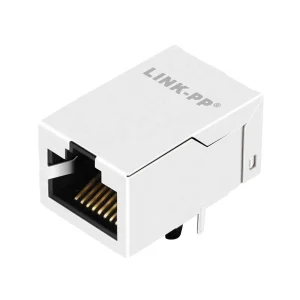
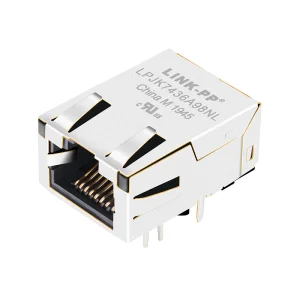
To properly evaluate a toolless RJ45 connector, engineers must inspect its mechanical architecture, insulation displacement contact assembly, and plating thickness. The typical structure utilizes a robust zinc alloy die-cast housing for 360-degree shielding, providing resistance to alien crosstalk and physical deformation.
The core of toolless technology. Phosphor bronze base metal, plated with nickel and finished with 50 micro-inches of gold, maintains contact pressure over hundreds of insertion cycles and guarantees gas-tight contact.
Delivering up to 100W of power (Type 4 PoE) causes internal heat buildup. High-quality toolless connectors utilize flame-retardant polycarbonate (UL 94V-0) and optimized dissipation structures to prevent material degradation.
Precision internal PCB layouts compensate for parasitic capacitance and inductance, maintaining a constant 100-ohm differential impedance required for Cat6A and Cat8 speed validation.
We evaluate the leading global manufacturers based on production scalability, material innovation, R&D spending, and international certification profiles.
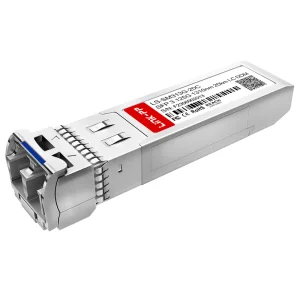
While recognized globally for high-performance optical communication systems, Zyqora's engineering department has emerged as a premier developer of hybrid copper-to-fiber integration interfaces. Zyqora's state-of-the-art laboratory and manufacturing footprint leverage specialized high-frequency analysis machines. Their toolless RJ45 systems are engineered alongside their active transceivers to ensure reliable electromagnetic compatibility in high-density rack configurations. Their extensive partner network ensures rapid sourcing and stable production timelines.
A titan in industrial connection systems. TE Connectivity's industrial-grade IP20 and IP67 toolless plugs are built for challenging environmental conditions. Their products feature specialized ruggedized shells that protect connections from physical impact and chemicals, making them a staple in heavy machinery and automotive production plants.
CommScope's Systimax product family represents the gold standard for enterprise structuring. Their toolless outlets leverage specialized internal circuit patterns to cancel near-end crosstalk, enabling rapid installation while maintaining headroom above Cat6A performance parameters.
Panduit's TX6A and Mini-Com modular systems are highly regarded for their space-saving designs. Their narrow connector profiles permit dense alignments inside patch panels, making them an excellent choice for modern data centers where every rack unit counts.
Leviton's Atlas-X1 platform features a toolless connector design with a patented solid metal body. This configuration yields exceptional heat dissipation properties, positioning it as a highly reliable option for power delivery via PoE++ applications.
Based in Germany, Metz Connect is renowned for precise engineering. Their E-DAT field-terminable plugs utilize a robust zinc die-cast housing and feature a multi-port cable entry mechanism that supports diverse cable diameters without performance drops.
Belden's REVConnect systems utilize a unique core interface where the inner wires are terminated onto a single core. This universal core can then be fitted into both RJ45 jacks and plugs, reducing installation complexities across hybrid installations.
Legrand's LCS3 copper systems incorporate tool-free rapid connectors with integrated locking clips. Their toolless connectors feature intuitive color-coded wire guides, allowing network technicians to complete error-free cabling tasks with minimal training.
A subsidiary of Bel Fuse, Stewart Connector designs RJ45 toolless plugs optimized for high-speed industrial applications. Their portfolio emphasizes low-profile, modular parts that fit legacy industrial and modern communication ports alike.
Hirose specializes in micro-connection engineering. Their toolless RJ45 designs focus on compact dimensions and lightweight structures, making them ideal for space-constrained cameras, outdoor access points, and remote IoT nodes.
This table summarizes key electrical, mechanical, and material metrics across the primary design topologies of global manufacturers:
| Feature Set | Shielded (STP) zinc-alloy | Unshielded (UTP) Polycarbonate | Industrial IP67 Ruggedized | High-Density Data Center Outlets |
|---|---|---|---|---|
| Frequency Ranges | Up to 500 MHz (Cat6A) / 2000 MHz (Cat8) | Up to 250 MHz (Cat6) / 500 MHz (Cat6A) | Up to 500 MHz (Cat6A) | Up to 500 MHz / 2000 MHz | PoE Rating | 100W PoE++ (IEEE 802.3bt Type 4) | Up to 60W PoE+ (IEEE 802.3at) | 100W PoE++ with heat protection | 100W PoE++ optimized dissipation |
| Housing Materials | Die-cast Zinc Alloy, Nickel plating | Polycarbonate UL 94V-0 compliant | Glass-reinforced nylon or metal jacket | Die-cast Zinc Alloy housing |
| Wire Compatibility | 22 AWG - 26 AWG (Solid/Stranded) | 23 AWG - 26 AWG (Solid) | 22 AWG - 24 AWG (Solid/Stranded) | 22 AWG - 26 AWG |
| Target Deployments | EMI active zones, Telecom risers | Commercial office spaces | Manufacturing, outdoor nodes | Enterprise SAN/LAN cabinets |
To guarantee network longevity and insurance/regulatory compliance, procurement managers and network architects must ensure their suppliers meet strict global standards. The table below lists the essential certifications and testing benchmarks that should be requested during the sourcing process:
These standards define the electrical transmission requirements for Category 6A, Category 7, and Category 8 cabling channels. Ensure the supplier provides independent laboratory validation (e.g., GHMT or ETL certification) for component-level and channel-level compliance.
The standard for communications-circuit accessories. UL 1863 verification ensures that materials used in insulation, housing, and terminal contacts will not support fire propagation under electrical faults or high heat loads.
Compliance guarantees that the zinc alloy, copper alloys, plastics, and soldering flux materials are free of hazardous substances such as lead, cadmium, and polybrominated diphenyl ethers, which is a key requirement for projects in the EU and NA.
Established in 2016, Zyqora Optical Technologies Co., Ltd. has developed into a reliable manufacturer and exporter of optical transceiver assemblies and high-performance interconnect solutions.
Operating a manufacturing facility spanning 386 square meters, Zyqora integrates modern component engineering with rigorous quality control processes. Their engineering team focuses on the manufacturing and testing of optical communication products, including SFP, SFP+, SFP28, QSFP28, QSFP-DD, OSFP, AOC, and DAC solutions. These components are designed to meet modern standards for speed, reliability, and interoperability across multiple hardware platforms.
Zyqora’s international trade footprints yield annual export revenues exceeding USD 18 million. With a decade of technical history and 8 years of direct export experience, Zyqora services telecom operators, system integrators, and enterprise clients in North America, Europe, Southeast Asia, the Middle East, and Latin America.
To support OEM and ODM clients, Zyqora offers tailored labeling, firmware coding, custom packaging, and detailed product specification development. Last year, the R&D division introduced 168 new products, designed to meet the throughput and latency requirements of next-generation network infrastructures.
As data demands continue to surge, copper interconnect solutions must evolve alongside active optical interfaces. Key industry trends expected to shape the market over the next five years include:
Future patch panels will demand higher density alignments. Manufacturers are redesigning toolless connector profiles to reduce their width, enabling up to 48 ports in a single 1U rack space without compromising ease of termination.
As 25G and 40G Base-T applications expand in edge data centers, Category 8.2 connection systems will require tighter tolerance control, higher frequency performance (up to 2000 MHz), and superior shielding characteristics.
Aligning with global sustainability targets, manufacturers are transitioning to bio-based polycarbonates and lead-free alloy plating processes to minimize environmental impacts without sacrificing mechanical strength.
Get immediate, engineering-grade clarity on common procurement and installation inquiries.
Toolless RJ45 connectors feature integrated lacing caps that pre-align conductors before physical termination. This design establishes a uniform IDC connection, minimizing human error, eliminating variables like manual crimping force, and preventing structural variations. The result is consistent signal integrity, low insertion loss, and stable return loss across all channels.
Power over Ethernet (PoE++) delivers up to 960mA of current per conductor, which generates heat. Industrial toolless connectors feature thicker 50-microinch gold plating on the contact interfaces and rely on flame-retardant housings (UL 94V-0) to handle the thermal load. Additionally, these plugs are engineered to prevent contact damage from electrical arcing during under-load disconnects.
Shielded (STP) toolless connectors utilize die-cast zinc alloy housings to provide 360-degree shielding. This barrier prevents electromagnetic interference (EMI) and alien crosstalk (ANEXT) from adjacent cables, which is critical for Cat6A (500 MHz) and Cat8 (2000 MHz) high-speed networks. Unshielded (UTP) connectors rely on physical separation and internal geometric symmetry to manage interference.
Most industrial-grade toolless RJ45 plugs are compatible with solid or stranded copper conductors ranging from 22 AWG to 26 AWG. Using wires outside this range can result in improper insulation displacement, lead to loose contacts, or cause mechanical damage to the internal contact blades.
Zyqora’s development laboratory uses advanced network analyzers to test the interface between fiber transceiver outputs and local copper distribution networks. This design process ensures that signal transitions between active modules and toolless connectors maintain impedance continuity and keep signal-to-noise ratios (SNR) within specified limits.
Yes, toolless RJ45 plugs can generally be re-terminated multiple times (typically 10 to 20 times for the IDC contacts, and up to 750 mating cycles for the front-facing RJ45 interface). However, each termination stresses the plastic lacing cap and the IDC terminal contacts, so it is recommended to replace the connector if re-termination fails to meet link-verification tests.
Procurement teams should request ISO 9001:2015 quality management certifications, RoHS/REACH compliance letters, UL safety ratings (such as UL 1863), and independent third-party performance verifications from accredited testing houses like GHMT, ETL, or Delta.
When properly terminated, toolless connectors exhibit a lower attenuation profile than manual punch-down systems. The lacing cap maintains uniform conductor twist rates right up to the IDC contact interface, minimizing crosstalk and impedance variations that lead to return loss and attenuation.
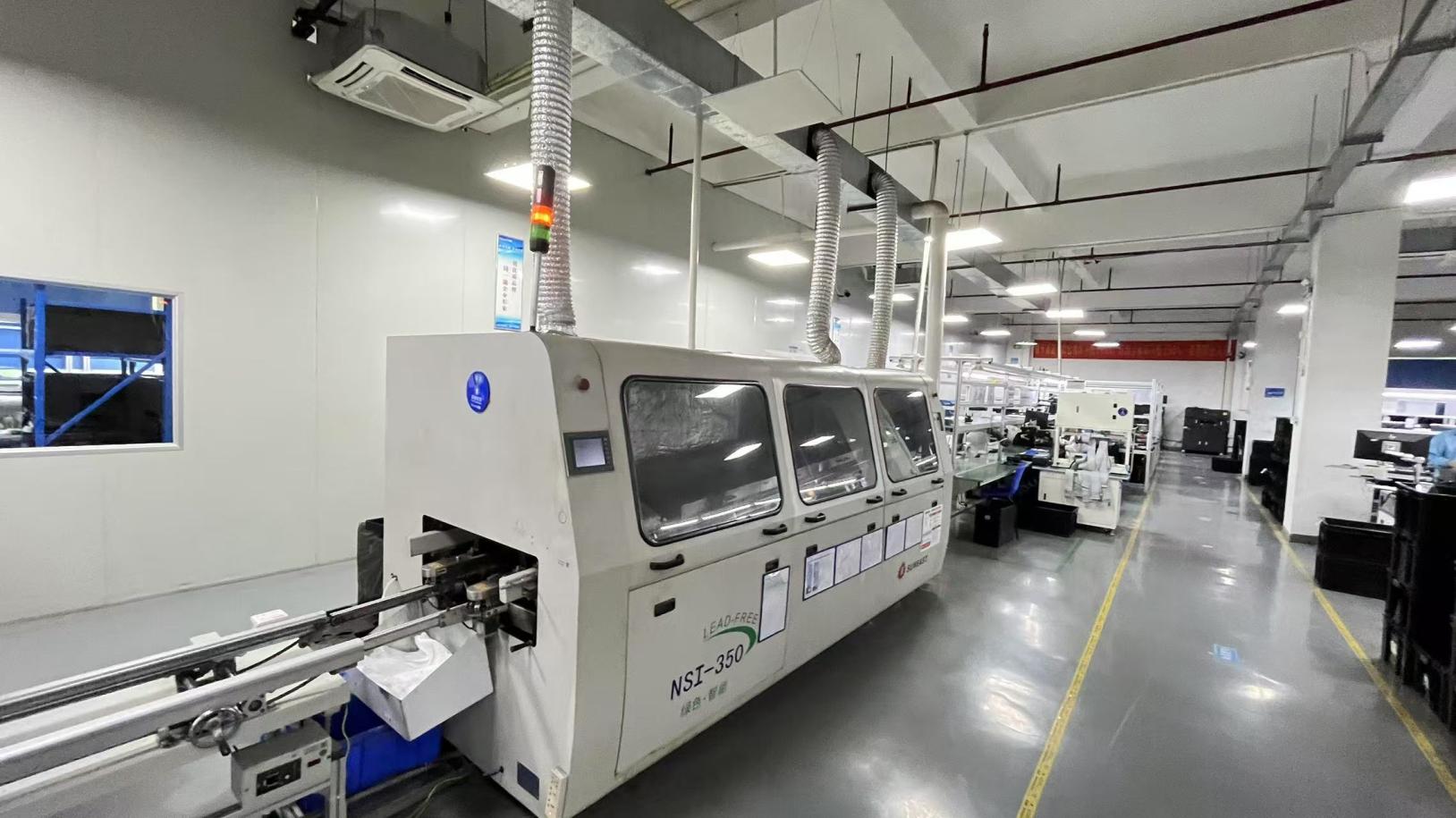
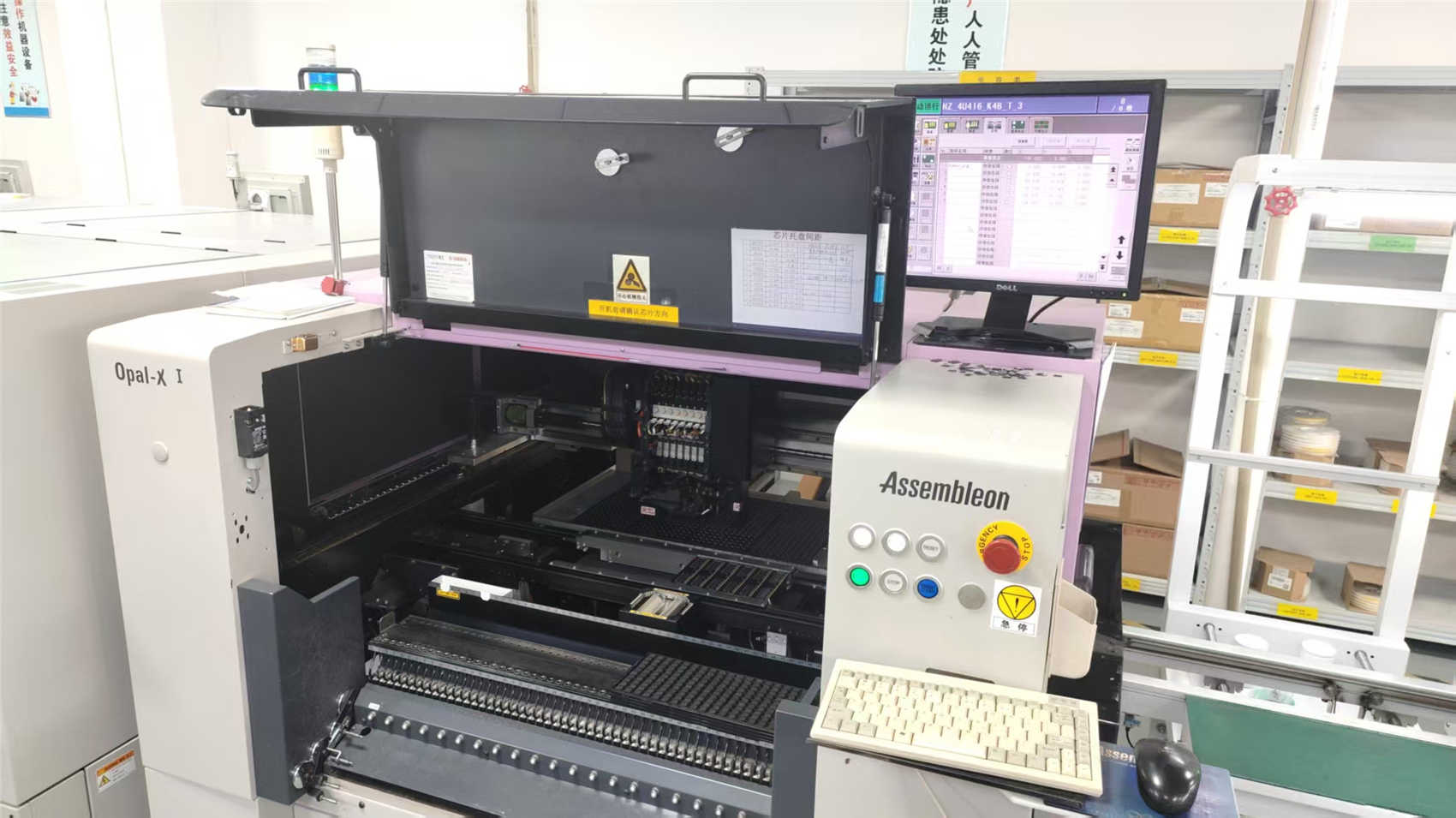
Below is a visual overview of Zyqora’s advanced assembly lines, testing chambers, and raw material warehousing configurations. Each phase of the assembly process complies with ISO 9001:2015 frameworks: