Zyqora
Zyqora
Zyqora
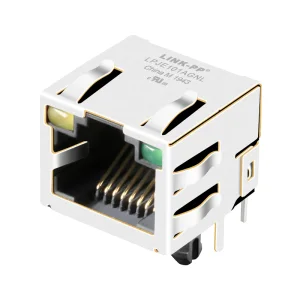
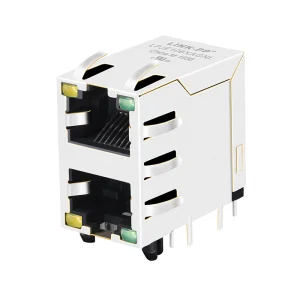
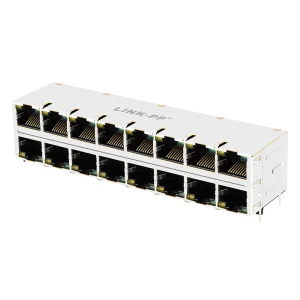
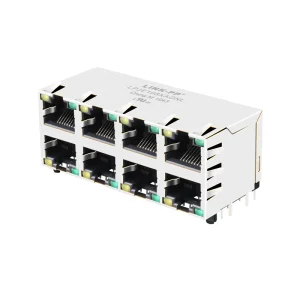
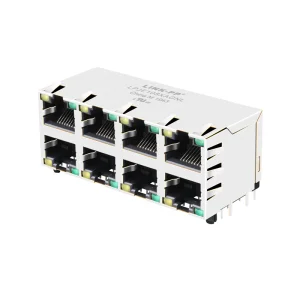
In the rapidly advancing landscape of high-speed telecommunications, data centers, and industrial IoT (IIoT), the physical layer interface remains a critical determinant of signal integrity, electromagnetic compatibility (EMC), and overall system efficiency. For years, the integrated connector module (ICM) or "MagJack" — which houses both the mechanical RJ45 interface and magnetic isolation components (transformers and common-mode chokes) inside a single shielding cage — has been the standard solution for Ethernet-enabled systems.
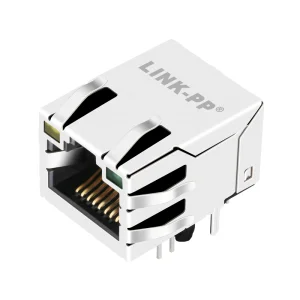
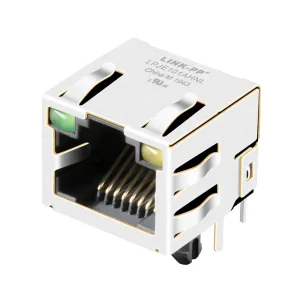
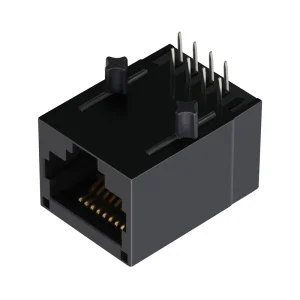
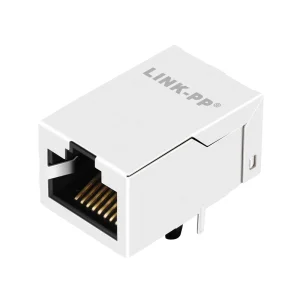
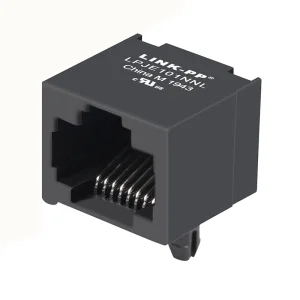
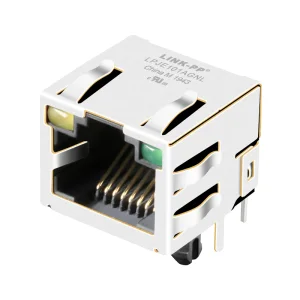
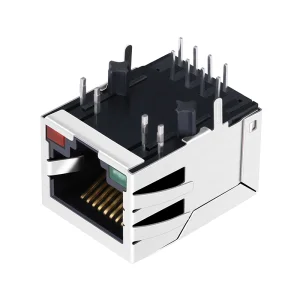
However, the modern push towards high-density board designs, variable PHY chip architectures, and extreme environmental durability has sparked a dramatic surge in demand for RJ45 Female Connectors without Magnetics. By decoupling the mechanical connector interface from the inductive and magnetic isolation circuitry, hardware design engineers are gaining unprecedented architectural flexibility. Placing discrete magnetics directly on the main PCB board or using custom-designed magnetics suited for specific transceivers allows systems to minimize electrical parasitics, optimize board layout routing, and enhance thermal dissipation.
This whitepaper explores the critical engineering paradigms, cost-benefit trade-offs, and industrial application vectors that define non-magnetic RJ45 connectors. Backed by industry leader Zyqora Optical Technologies Co., Ltd., we deliver the comprehensive technical breakdown necessary for systems engineers to select, deploy, and scale high-density Ethernet applications globally.
Understanding when and why to design with a non-magnetic RJ45 female jack requires a comparative analysis of system parasitics, ESD protection, and electromagnetic interference (EMI). The standard RJ45 connector with built-in magnetics offers convenience, but sacrifices the fine-tuning capabilities required for optimized multi-gigabit connections.
| Feature Parameter | Integrated RJ45 (With Magnetics) | Discrete RJ45 (Without Magnetics) | Engineering Benefit of Non-Magnetic Designs |
|---|---|---|---|
| Thermal Dissipation | Poor. Heat is trapped inside the connector cage. | Excellent. Magnetics dissipate heat through the PCB ground plane. | Prevents thermal throttling on multi-channel high-speed PHY cards. |
| PHY Compatibility | Limited. Magnetics ratio must match the specific PHY chip. | Universal. Allows choice of discrete transformers matching any PHY. | Greater design flexibility; allows vendor changes without modifying the RJ45 footprint. |
| EMI/EMC Tuning | Fixed. Cannot adjust filtering characteristics easily. | Adaptable. Capacitors, chokes, and resistors are tunable on the PCB. | Critical for meeting strict FCC Class B or CISPR 32 limits in noisy environments. |
| Height & Space Constraints | Bulky housing. Takes up significant Z-height inside chassis. | Low-profile available. Extremely compact footprint. | Perfect for thin blades, high-density line cards, and embedded IoT units. |
| Component Lifetime | Failure in the internal transformer requires desoldering the entire connector. | If the discrete transformer fails, only the discrete SMT chip is replaced. | Reduces field repair costs and diagnostic complexity in industrial systems. |
Ethernet standards (such as IEEE 802.3) dictate strict electrical isolation of at least 1500 Vrms to protect equipment and users from lethal high-voltage surges. In a discrete design using an RJ45 without magnetics, this isolation is achieved by mounting a separate magnetic transformer chip (often in a SOIC or QFN style package) on the PCB between the Ethernet controller (PHY) and the non-magnetic RJ45. This isolation path, combined with local high-voltage capacitors (Bob Smith termination), enables a highly customized impedance matching circuit that minimizes return loss and insertion loss at speeds ranging from 10/100 Mbps up to 10 Gbps and beyond.
Global commercial and industrial trends indicate a shift toward convergence networking. Connectors are expected to perform under harsher parameters while occupying less space. Non-magnetic RJ45 connectors find critical roles across several industrial sectors:
High-density 1U racks require dozens of RJ45 ports alongside SFP/QSFP ports. Non-magnetic connectors allow designers to stack ports (e.g., 2x4, 2x8 configurations) while placing the magnetics on the reverse side of the PCB, optimizing airflow and layout density.
In environments with high EMI from motor drives and actuators, standard integrated RJ45s are prone to failure. Discrete magnetics allow custom isolation circuits designed to withstand extreme common-mode noise, keeping communications reliable.
Outdoor substations and utility controllers face significant temperature fluctuations. Moving the magnetics out of the connector body allows for better thermal coupling of the magnetic cores to heatsinks, extending the system's operational envelope.
For hardware developers and procurement directors, choosing the right manufacturer for RJ45 components is just as important as the electronic specifications. A failure in the connector shell's coplanarity, contacts, or plating can lead to micro-interruptions in high-vibration systems or solder-joint cracking during reflow.
Zyqora Optical Technologies Co., Ltd. (founded in 2016) has built an international footprint by designing high-reliability optical communication solutions alongside high-performance physical layer connectivity systems. Zyqora's engineering team bridges the gap between high-speed copper and optical links, providing next-generation transceiver cages, RJ45 modular jacks, and custom backplane connector systems.
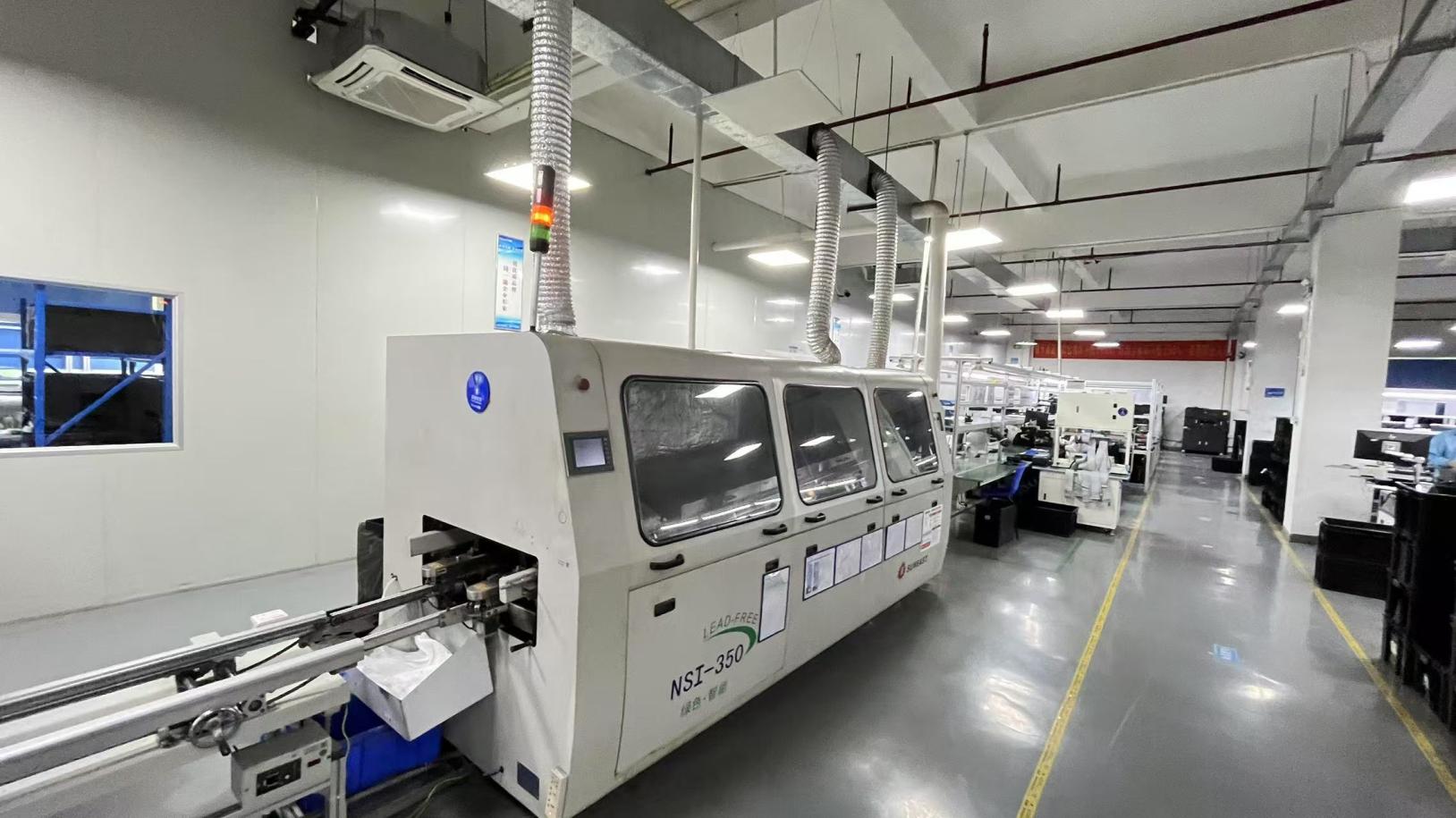
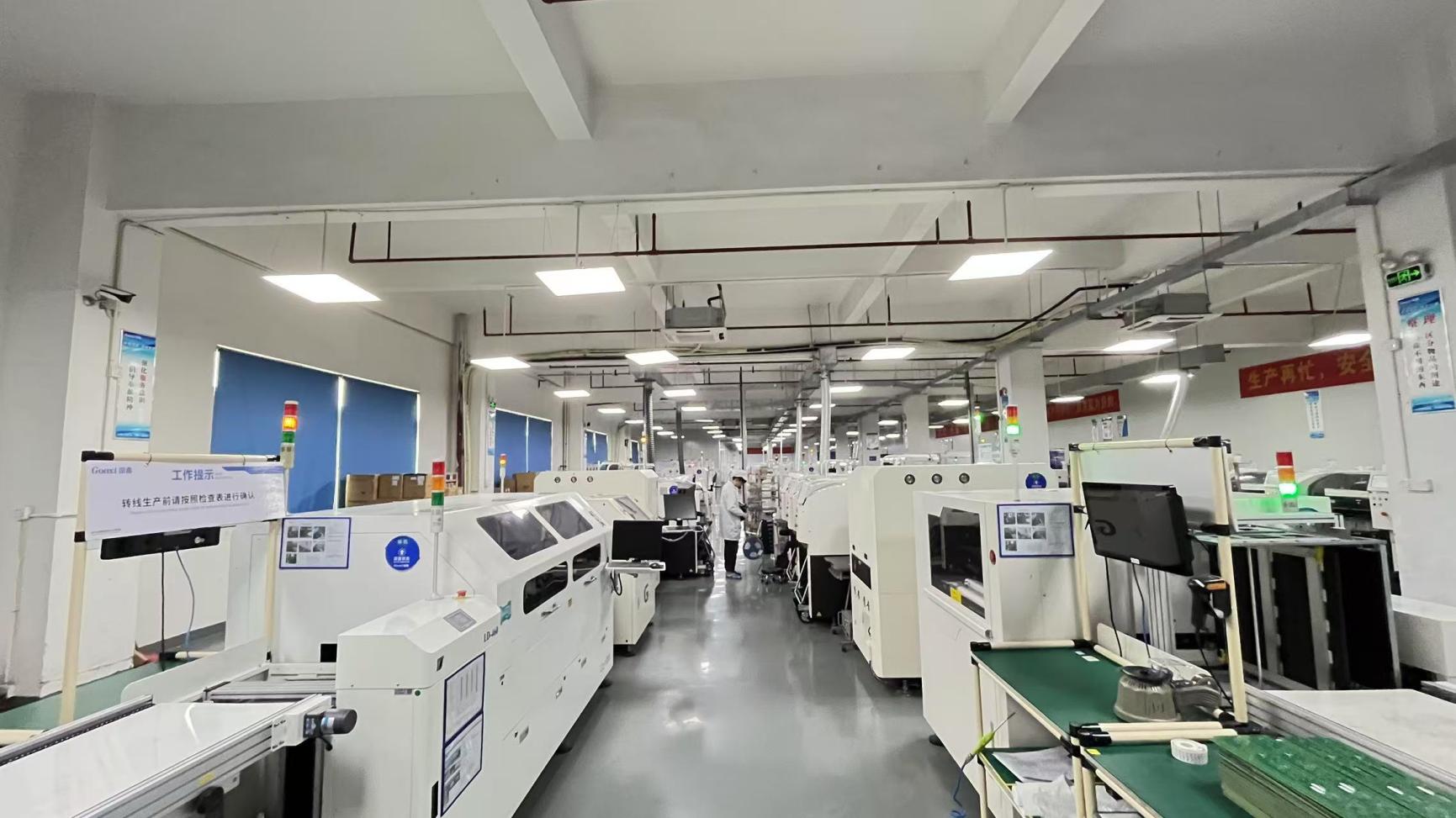
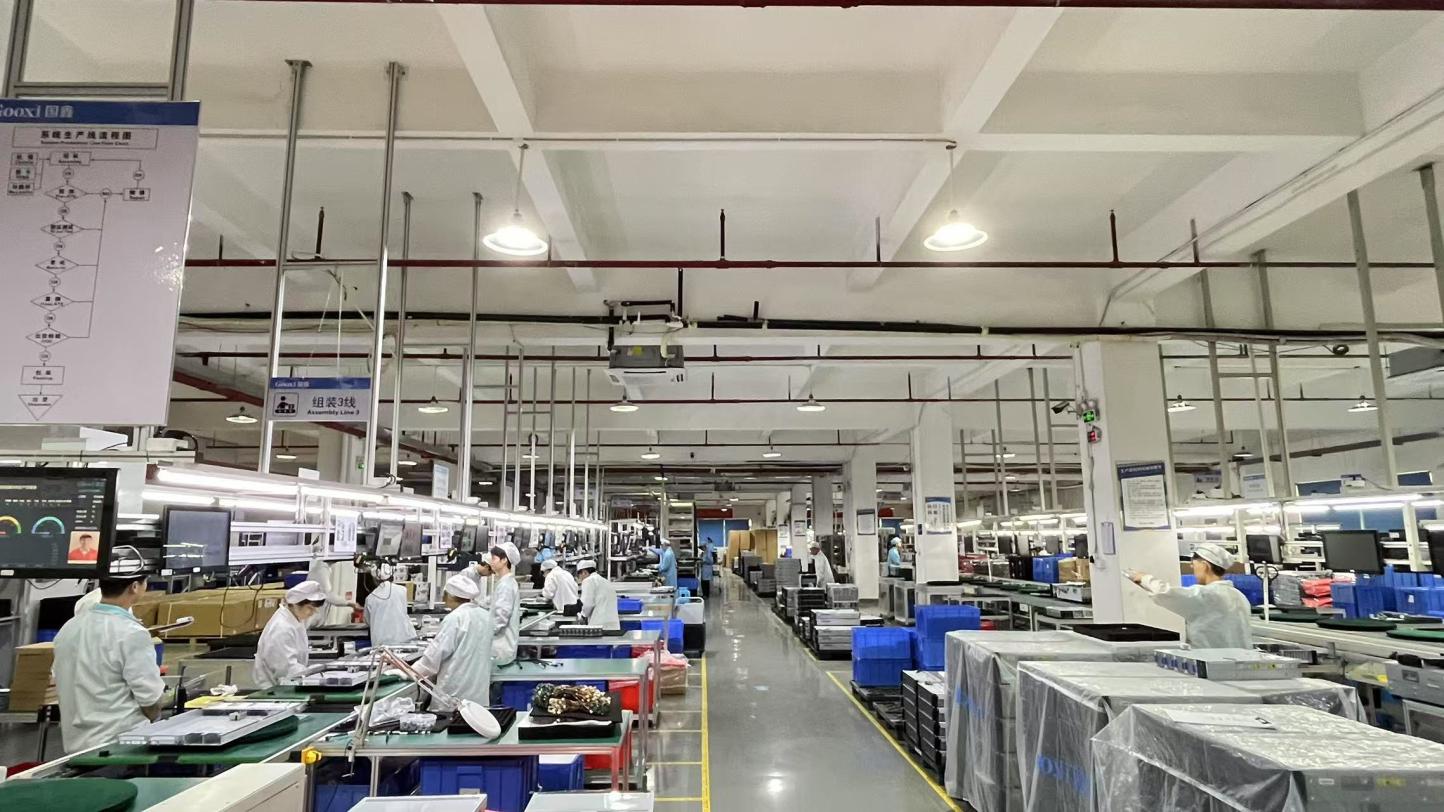
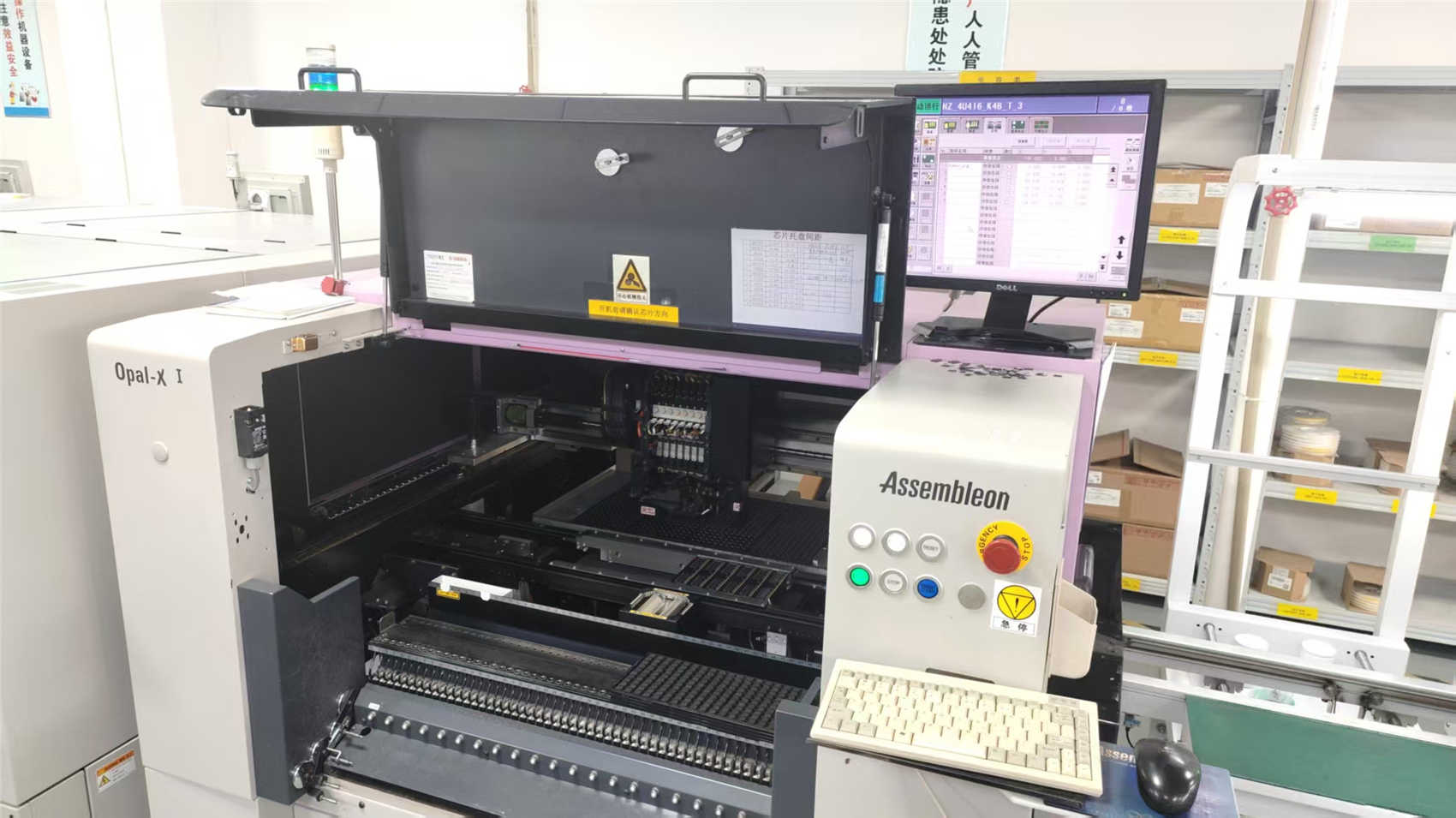
Zyqora operates an ultra-modern production facility where quality control is embedded into every stage of the manufacturing life cycle. Backed by 8 years of export experience and 10 years of deep industry expertise, Zyqora serves telecom operators, system integrators, and global network equipment distributors in North America, Europe, and Asia.
Our manufacturing pipeline handles high-mix, high-volume production with robust agility. Zyqora maintains relationships with over 860 supply chain partners worldwide, facilitating raw material security and minimizing lead times. With a dedicated QA force of 42 quality control professionals, all components undergo comprehensive incoming inspection, mechanical stress testing, copper thickness verification, and final performance screening to align with industry benchmarks.
Deploying network systems internationally requires strict compliance with diverse regional standards. Every connector supplied by Zyqora is designed to meet or exceed relevant regulatory frameworks:
All RJ45 female connectors utilize lead-free plating materials and flame-retardant plastics matching UL 94V-0 ratings. This ensures environmental compliance in the EU and other regions with strict chemical controls.
When paired with compliant discrete PCB magnetics, our non-magnetic connectors fully support 10Base-T, 100Base-TX, 1000Base-T, and 10GBase-T Ethernet structures, meeting standard physical configuration requirements.
Our multi-port shielded RJ45 variants are built with robust metal shielding tabs and ground pins, facilitating low-impedance paths to the chassis to block radiated and conducted electromagnetic noise.
Furthermore, Zyqora provides localized technical support teams across North America and Europe to assist customer engineering departments with mechanical layout validation, S-parameter simulation data, and EMC compliance testing.
The future of physical copper interfaces is closely tied to speed progression and high-density packaging. Although optical fibers continue to expand in core data center networks, copper remains the dominant option for edge connections, LAN architectures, and local enterprise distributions because of its cost efficiency and support for Power over Ethernet (PoE).
We anticipate several evolutionary shifts in RJ45 female connector design over the next decade:
Zyqora remains committed to development in this space. Our R&D division, featuring 65 design engineers, successfully introduced 168 new products last year alone, focusing on custom shielding designs, compact footprints, and high-frequency capabilities.
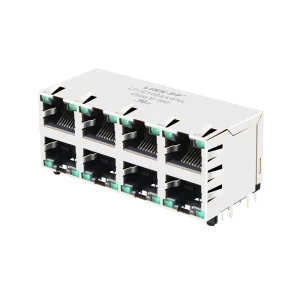
Our infrastructure supports consistent production and engineering innovation. From manufacturing tools to environmental testing chambers, Zyqora ensures all physical interfaces comply with international criteria.