Zyqora
Zyqora
Zyqora
Explore our top-tier optical transceivers, verified for compatibility, compliance, and multi-vendor interoperability.
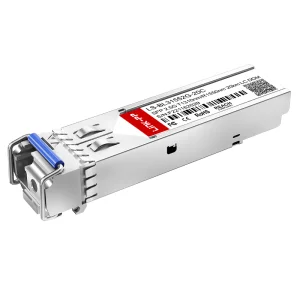
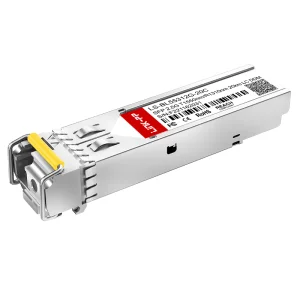
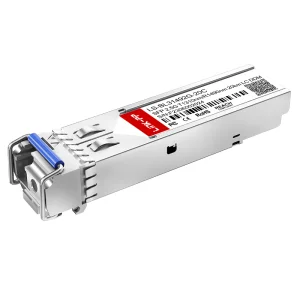
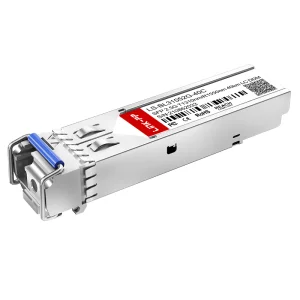
Founded in 2016, Zyqora Optical Technologies Co., Ltd. has established itself as an authoritative manufacturer and global exporter of high-performance optical transceivers and fiber connectivity solutions. We design, manufacture, and systematically test physical layer optics to empower data centers, enterprise local area networks (LANs), municipal metropolitan area networks (MANs), and complex telecommunications infrastructures globally.
With an annual export revenue surpassing USD 18 million, Zyqora serves key network engineers, procurement boards, and tier-1 system integrators across North America, Europe, Southeast Asia, the Middle East, and Latin America. We support cross-compatible hardware architectures to limit proprietary vendor lock-in, providing strategic cost-efficiency and supply chain flexibility.
How modern access networks, wireless fronthaul architectures, and enterprise routing require optimized mid-range bandwidth transceivers.
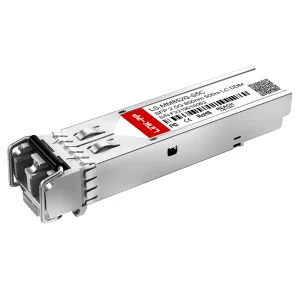
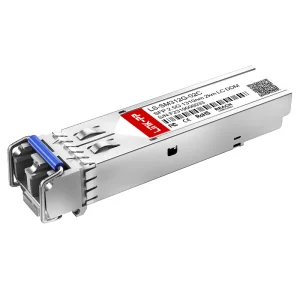
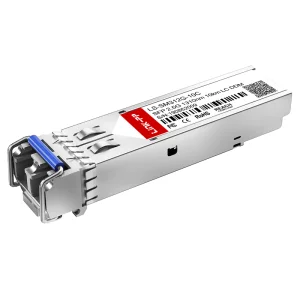
With the rapid adoption of Wi-Fi 6 (802.11ax) and Wi-Fi 7 (802.11be) Access Points, legacy Gigabit Ethernet (1G) has become a primary bottle-neck. 2.5G Ethernet (2.5GBASE-T / 2.5G optical) bridges the gap, allowing ISPs and enterprise networks to upgrade their backhaul speeds without exceeding their thermal or power budgets. The 2.5G SFP module configuration delivers cost-effective data density over existing single-mode (SMF) or multi-mode (MMF) fiber installations.
Mobile telecommunication infrastructures require low latency and high reliability. The 6G SFP transceiver module is standard for Common Public Radio Interface (CPRI Option 5) links, connecting Baseband Units (BBUs) to Remote Radio Heads (RRHs) in LTE-Advanced and early-stage 5G distributed RAN layouts. These modules are specifically hardened for industrial temperatures (-40°C to +85°C) to withstand harsh pole-mounted deployments.
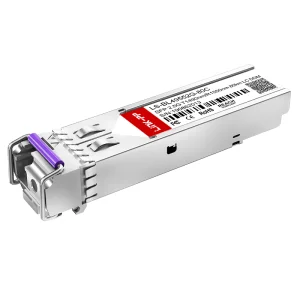
Physical fiber constraints are resolved using single-fiber Bidirectional (BiDi) transceivers. By multiplexing transmitter and receiver wavelengths (e.g., 1310nm-TX/1550nm-RX, 1310nm-TX/1490nm-RX, and 1490nm-TX/1550nm-RX), BiDi 2.5G SFPs effectively double the capacity of existing fiber runs. Zyqora manufactures advanced Simplex LC SFP transceivers capable of optical reach limits of up to 80km, eliminating structural dark-fiber leasing costs.
Global optical transceiver sourcing is complex. Enterprise networks require high component quality, low unit cost, stable supply chains, and guaranteed hardware compatibility. Zyqora answers these challenges through a vertically integrated procurement and assembly model.
Most hardware manufacturers construct proprietary barriers via system microcode. Zyqora's R&D department features a dedicated compatibility lab. We code SFP microcontrollers to simulate the native handshake sequences of manufacturers like Cisco, Juniper, Arista, HPE, Huawei, and others. This ensures plug-and-play operation with Digital Diagnostic Monitoring (DDM/DOM) active.
Managing network builds requires strict production schedules. Backed by a verified network of over 860 supply chain partners, Zyqora maintains a deep stock of high-speed lasers (VCSEL, DFB, APD) and optical sub-assemblies (TOSA, ROSA). This protects our manufacturing lead times from raw material bottlenecks.
To support evolving market demands and proprietary integrations, Zyqora offers end-to-end OEM and ODM support:
Our R&D team consists of 65 engineers focused on high-speed transmission systems, optical sub-assembly optimization, and multi-vendor interoperability.
How Zyqora’s 42 quality control professionals ensure zero-defect optical deployments.
Every laser, photodiode, PCB, and metal housing must pass spectral, electrical, and physical compliance tests before entering our cleanroom floor.
TOSA and ROSA assemblies are aligned using high-precision automated systems to ensure stable coupling efficiency and minimize insertion losses.
Transceivers undergo high-temperature aging chambers under full workload loops to eliminate early semiconductor infant mortality.
Every transceiver is tested on matching switches (Cisco, Huawei, Juniper, etc.) while optical eye-diagrams are validated using digital sampling oscilloscopes.
The future of small form-factor pluggable optical systems (2025-2030).
The optical communications sector is shifting toward increased port densities, reduced energy consumption, and integrated diagnostic features. Zyqora's R&D division is currently developing the following technical milestones:
Integrating lasers and optical components directly on silicon chips to reduce unit footprint and manufacturing costs.
Optimizing SFP micro-controllers to reduce power consumption to less than 0.8W per module, lowering datacenter cooling overhead.
Developing internal predictive health indicators to alert network operators of potential failures before links drop.
High-performance transceiver options for specialized, extended-distance, and single-strand optical networks.
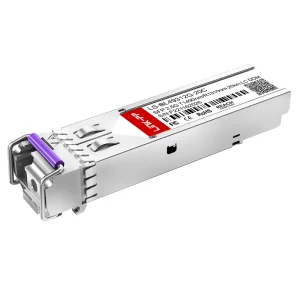
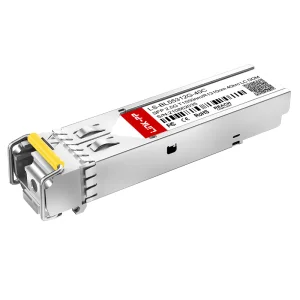
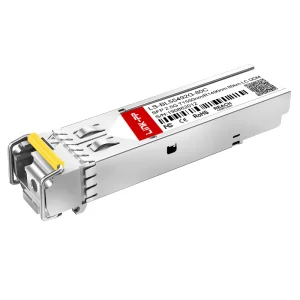
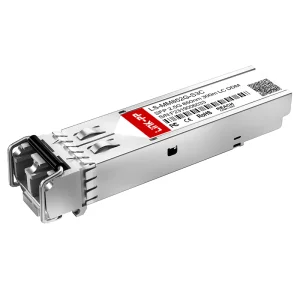
Answers to common engineering and sourcing questions regarding 2.5G and 6G SFP transceivers.
Our ISO 9001:2015 certified facilities are equipped with automated production lines, spectral analysis equipment, and optical testing instruments.
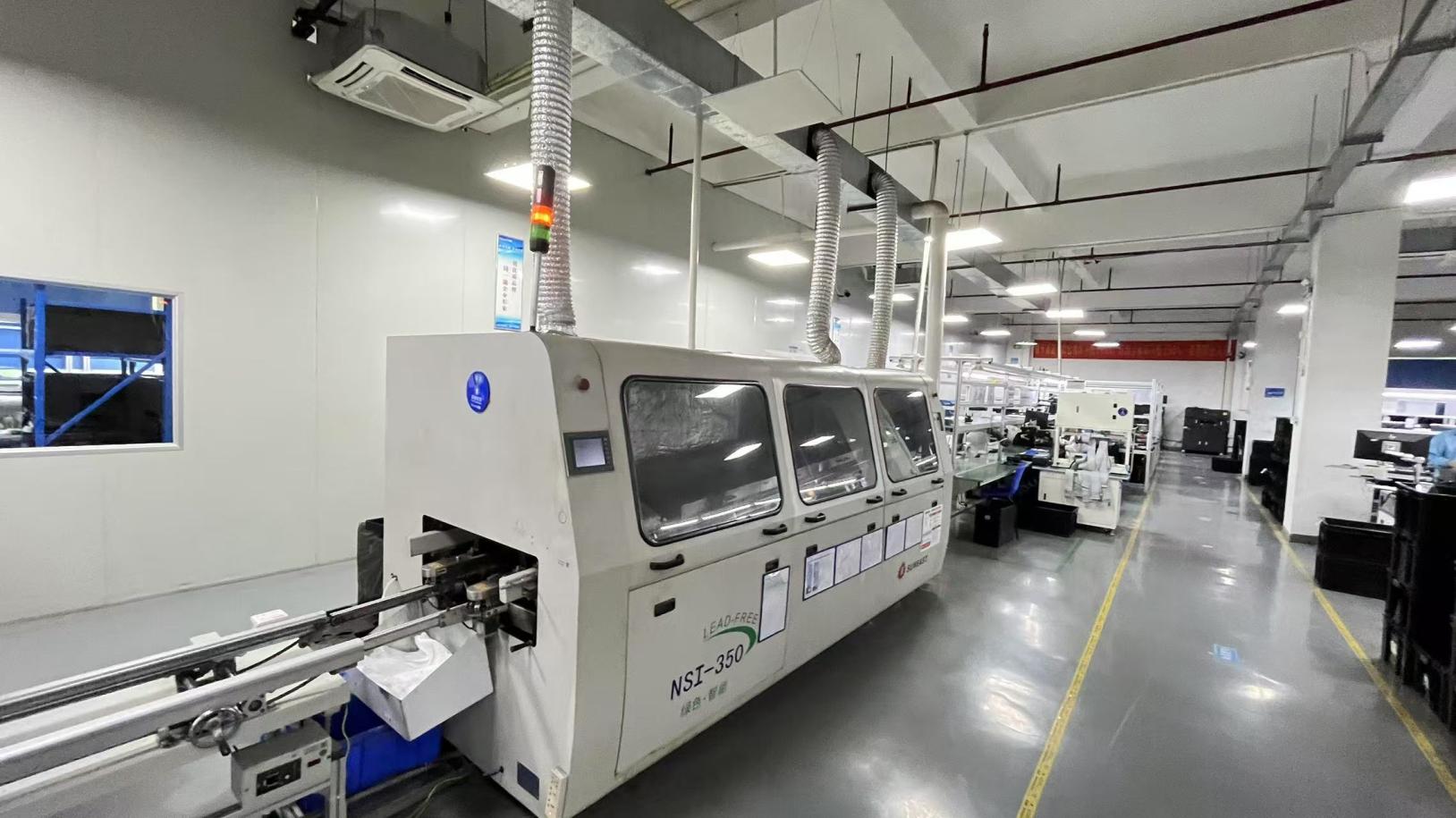
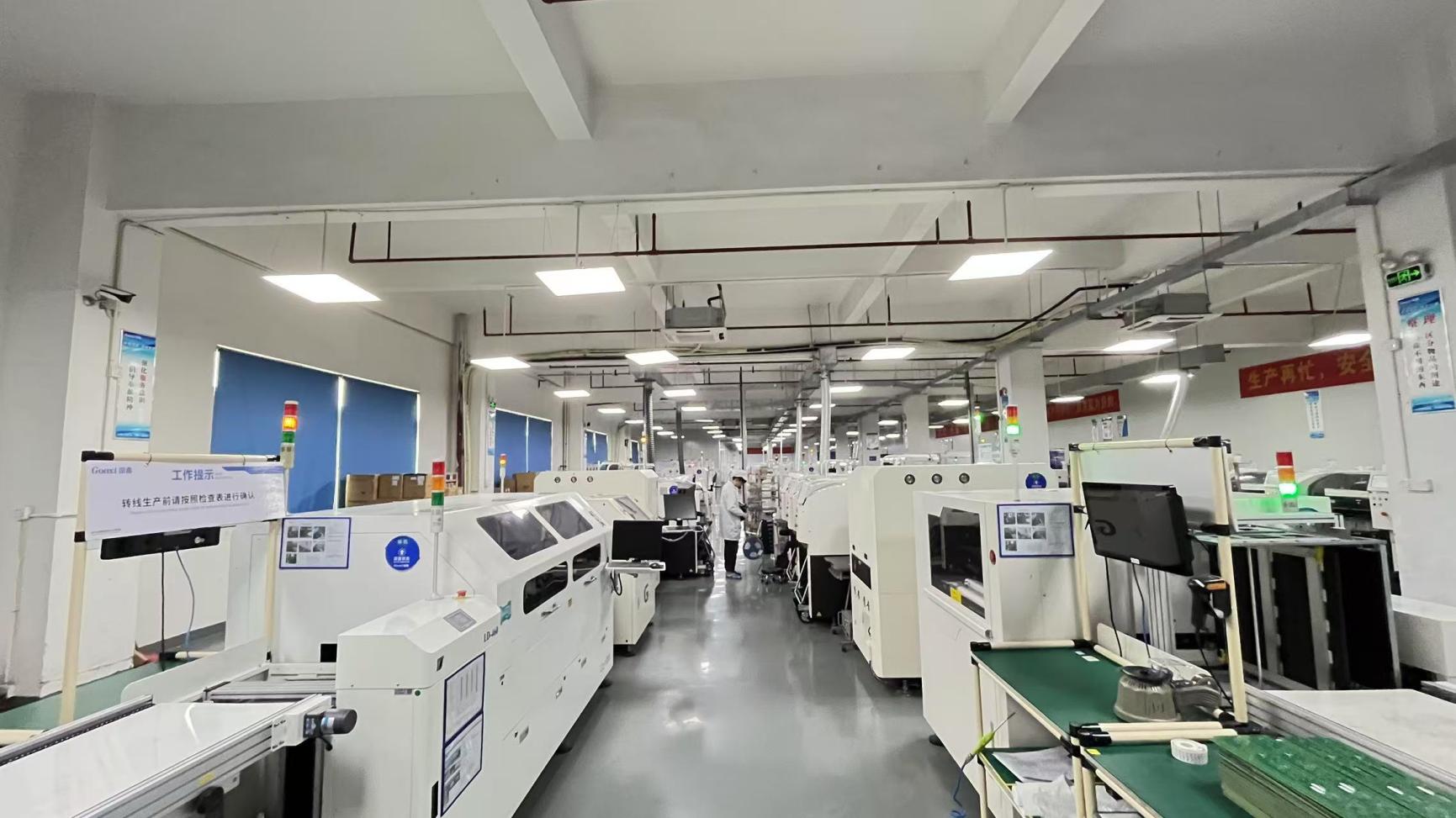
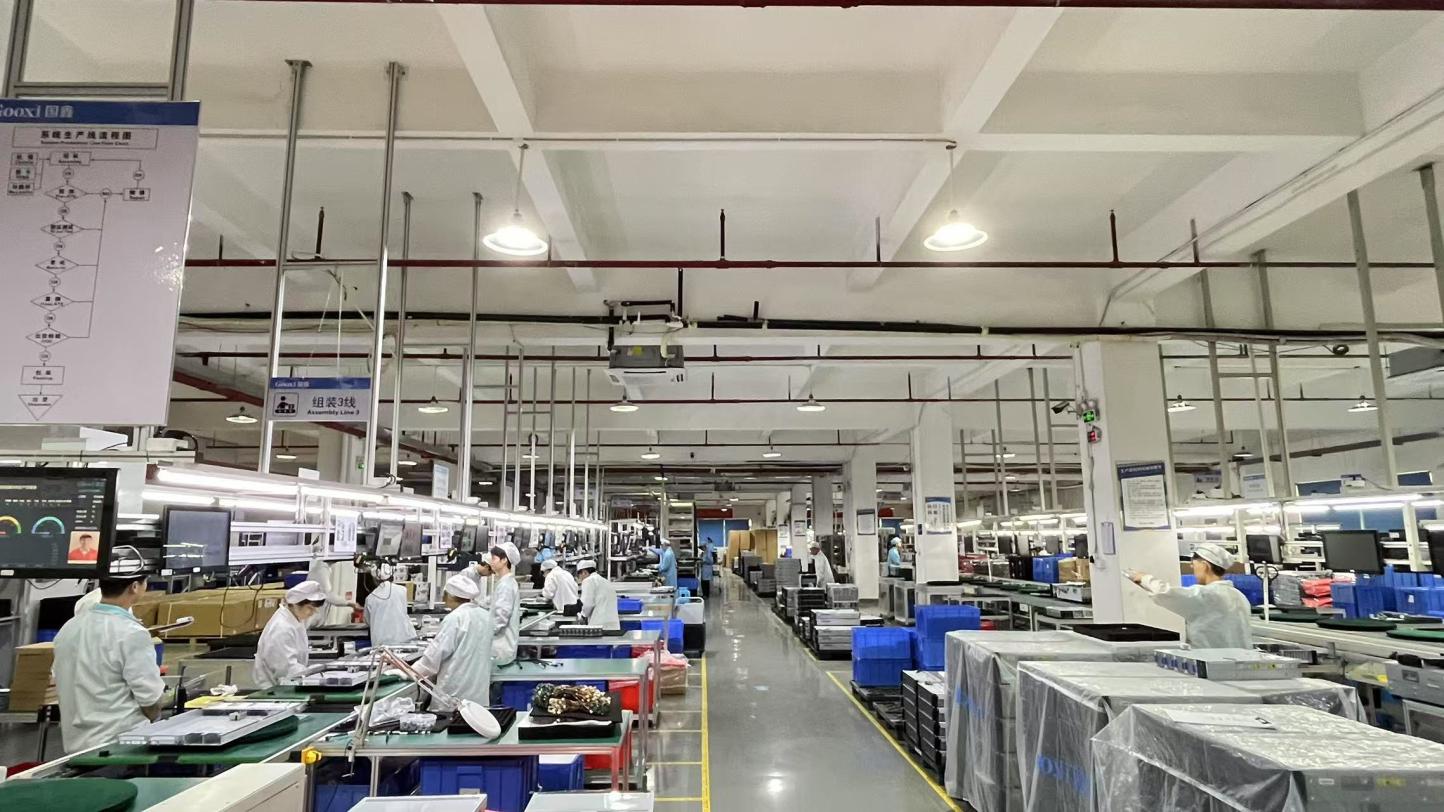
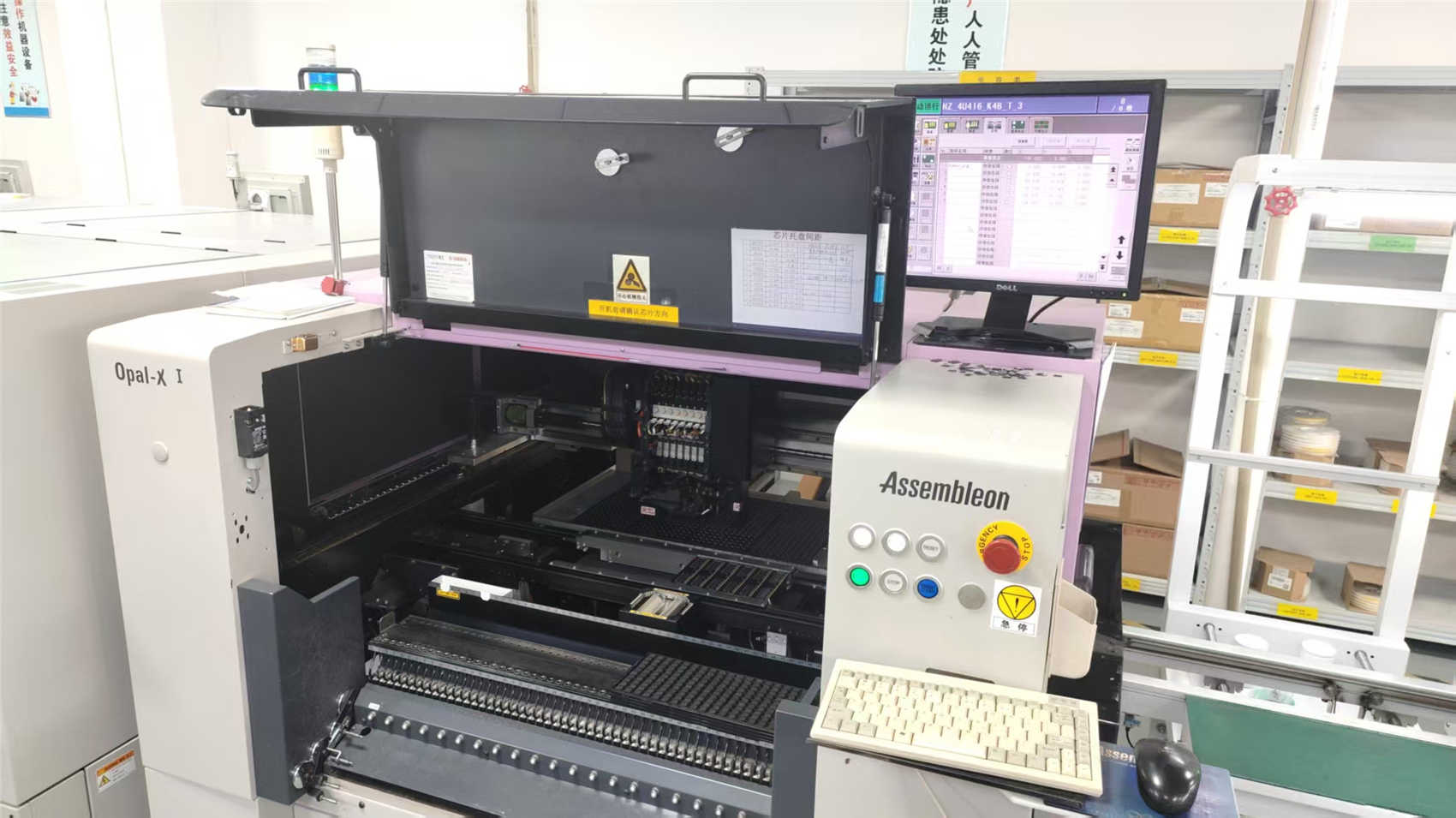
Whether you require customized firmware coding, specific wavelength multiplexing, or high-reliability transceivers for industrial environments, Zyqora provides high-quality, compatible solutions.
Request Technical Quote & Test Samples