Zyqora
Zyqora
Zyqora
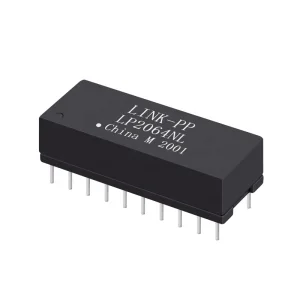
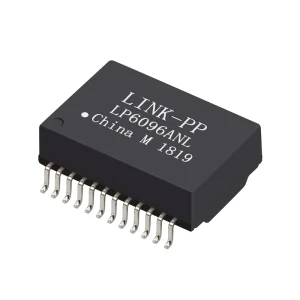
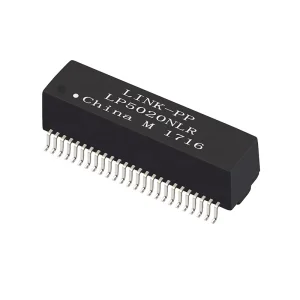
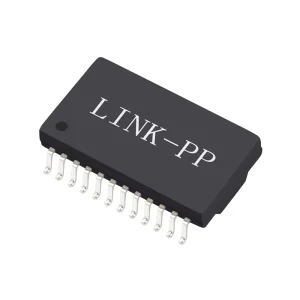
Explore our leading selection of surface-mount (SMD) and through-hole (THT) LAN magnetics designed to meet strict IEEE 802.3 standards.
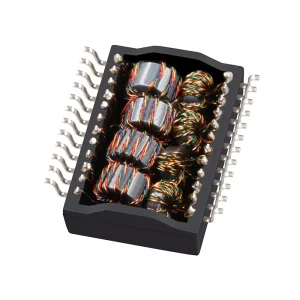
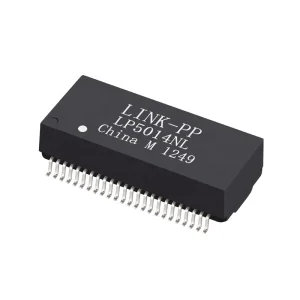
In the era of hyper-connectivity, the global LAN Transformer market is witnessing an unprecedented transition. Driven by the mass migration to 5G infrastructure, edge computing, smart factories (Industry 4.0), and automotive Ethernet architectures, standard RJ45 and discrete magnetic components are no longer mere utility items. They are now highly optimized safety barriers and performance-enabling elements critical for preserving signal integrity.
Historically, Fast Ethernet (10/100 Base-T) and Gigabit Ethernet (1000 Base-T) dominated commercial applications. However, modern network nodes require speeds scaling up to 2.5G, 5G, and 10G Base-T configurations. LAN transformers serve as the vital link that provides galvanic isolation (per IEEE 802.3 specifications), suppressing electromagnetic interference (EMI) and safeguarding high-performance transceivers against destructive common-mode voltage spikes and ESD transients.
Information Gain Insight: The rise of Power over Ethernet (PoE, PoE+, and PoE++ / IEEE 802.3bt) introduces severe challenges regarding DC balance. As injection currents reach up to 1A per pair, magnetic cores are subject to saturation, necessitating specialized core materials and advanced wind geometries to sustain high-frequency inductances under heavy bias conditions.
Furthermore, regional shifts in manufacturing are elevating the status of specialized B2B exporters. High-reliability suppliers must navigate stringent global certification networks, including RoHS, REACH, UL, and localized electromagnetic compatibility standards. Quality requirements have moved from standard sampling inspections to strict zero-defect automotive-grade validation processes (such as AEC-Q200 conformance testing).
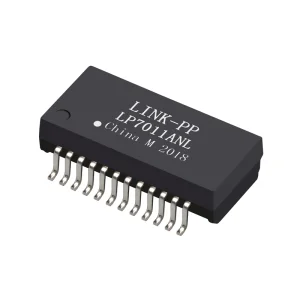
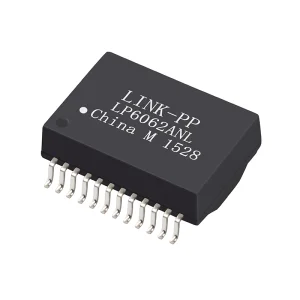
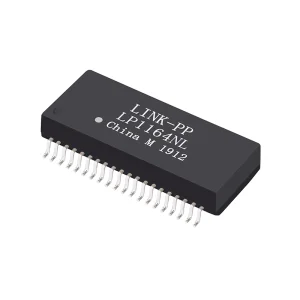
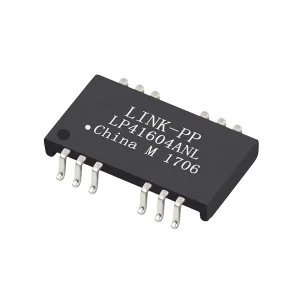
A comparative overview of modern LAN magnetic architectures and their operational advantages.
Planar designs replace traditional wire-wound toroidal cores with multi-layered PCB designs. This provides excellent consistency, lower profile factors, and exceptional thermal dissipation, making them ideal for high-density blade servers.
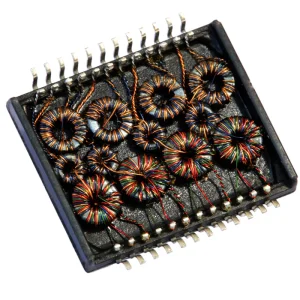
Using ultra-thin MnZn and NiZn ferrite cores, our hand-wound and automated micro-wound toroidal coils deliver high common-mode rejection ratios (CMRR) and minimize insertion losses at frequencies exceeding 500MHz.
Designed for severe operating environments, our specialized ruggedized LAN transformers operate safely within temperatures ranging from -40°C to +125°C, matching high-reliability automotive requirements.
Designing a high-performance network interface requires strict attention to the electromagnetic characteristics of both the Physical Layer (PHY) chip and the external cabling. The LAN transformer is the critical bridge balancing these two systems. Its fundamental duties are twofold: impedance matching (nominally 100 ohms differential) and isolation.
A major design challenge in Gigabit and 10G networks is reducing parasitic elements. Parasitic capacitance ($C_{ww}$) between the primary and secondary windings provides a leakage path for high-frequency common-mode noise, which directly degrades electromagnetic compatibility performance. To counter this, our design teams utilize strict winding partitions, three-wire choke arrays, and integrated auto-transformer center taps to guide common-mode currents safely to ground via Bob-Smith terminations.
| Standard Type | Bandwidth Limit | Insertion Loss (Max) | Isolation Voltage | Primary PoE Capacity |
|---|---|---|---|---|
| 100 Base-T (Fast Ethernet) | 0.1 - 100 MHz | -1.1 dB | 1500 Vrms | Not Recommended / Standard |
| 1000 Base-T (Gigabit Ethernet) | 1 - 100 MHz | -1.0 dB | 1500 Vrms | PoE+ (Up to 30W per port) |
| 10G Base-T (Next-Gen High Speed) | 1 - 500 MHz | -1.2 dB | 1500 Vrms | PoE++ (Up to 90W/100W) |
As illustrated above, transitioning from Gigabit to 10G networks demands that insertion losses remain exceptionally flat over a much wider spectrum. This requires precision winding engineering and strict quality control on the magnetic permeability of the raw core materials. Even minor changes in core dimensions during thermal expansion cycles can degrade return loss parameters, causing package dropouts in high-speed enterprise switches.
Providing speed, reliability, and innovation to global networks.
Founded in 2016, Zyqora Optical Technologies Co., Ltd. is a professional manufacturer and supplier of high-performance optical transceivers, fiber connectivity solutions, and high-frequency LAN magnetic components for global data centers, telecom networks, enterprise networks, and cloud computing applications.
With a modern production facility covering 386 square meters, Zyqora specializes in the design, development, manufacturing, and testing of optical communication and magnetic integration products. Our solutions—ranging from advanced SFP, SFP+, SFP28, QSFP28, QSFP-DD, OSFP, AOC, and DAC solutions to high-performance LAN transformers—are engineered to deliver reliable performance, scalability, and seamless compatibility with mainstream networking platforms.
Over the years, Zyqora has established a strong international presence, achieving annual export revenues exceeding USD 18 million. Backed by 8 years of export experience and 10 years of industry expertise, we serve customers across North America, Europe, Southeast Asia, the Middle East, and Latin America.
Quality is at the core of everything we do. Our manufacturing process is supported by comprehensive quality assurance procedures, including incoming material inspection, optical and magnetic performance testing, aging tests, compatibility verification, and final product inspection. A dedicated team of 42 quality control professionals ensures that every product meets international standards and customer expectations.
As a company with both manufacturing and international trading capabilities, Zyqora has built a reliable supply network with more than 860 supply chain partners, enabling efficient sourcing, stable production, and flexible delivery schedules. Our R&D department consists of 65 experienced engineers specializing in optical communication technologies, high-speed transmission systems, and network interoperability solutions. Through continuous innovation and strict quality management, Zyqora remains committed to providing cost-effective, reliable, and future-ready networking products for customers around the world.
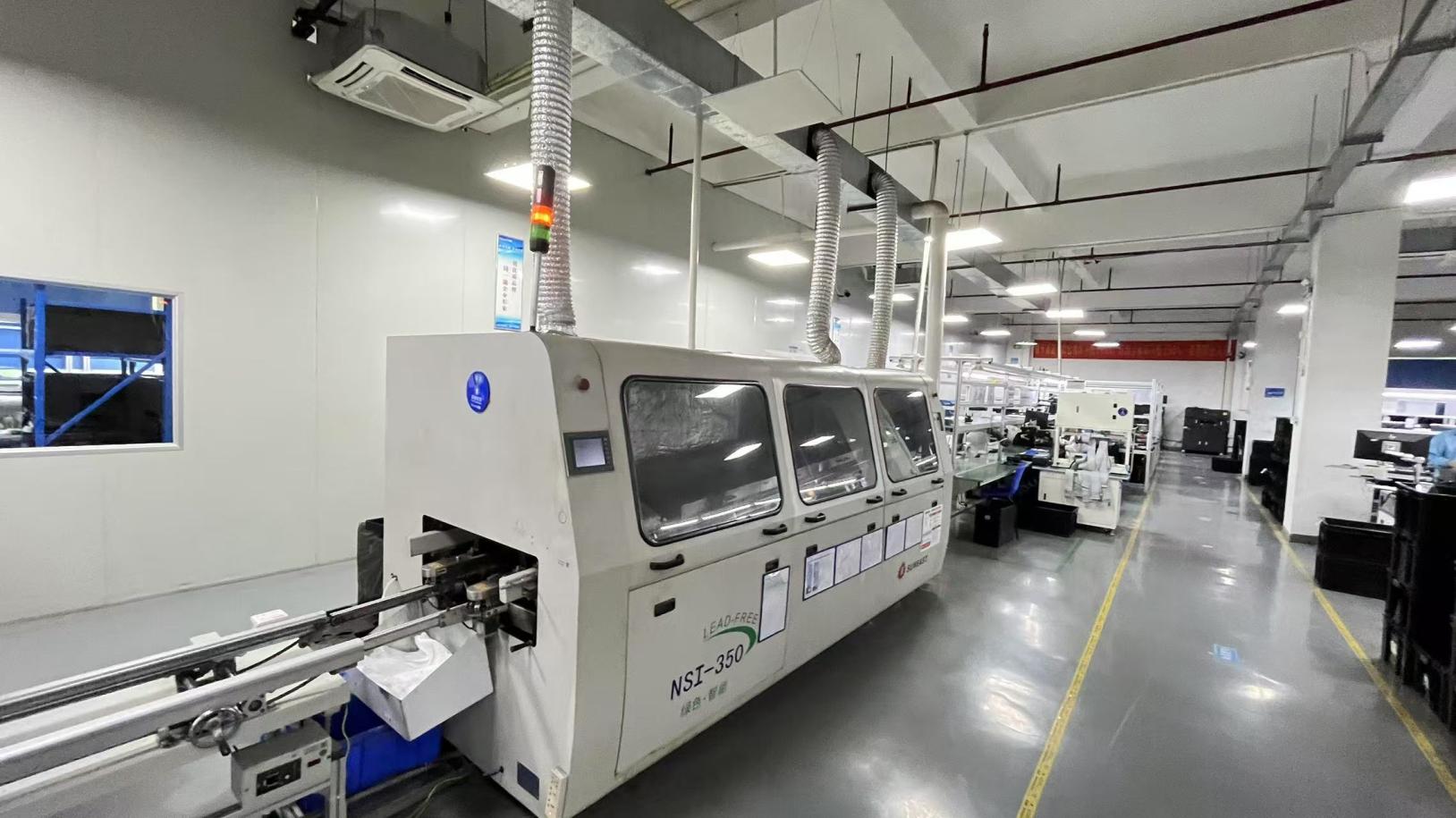
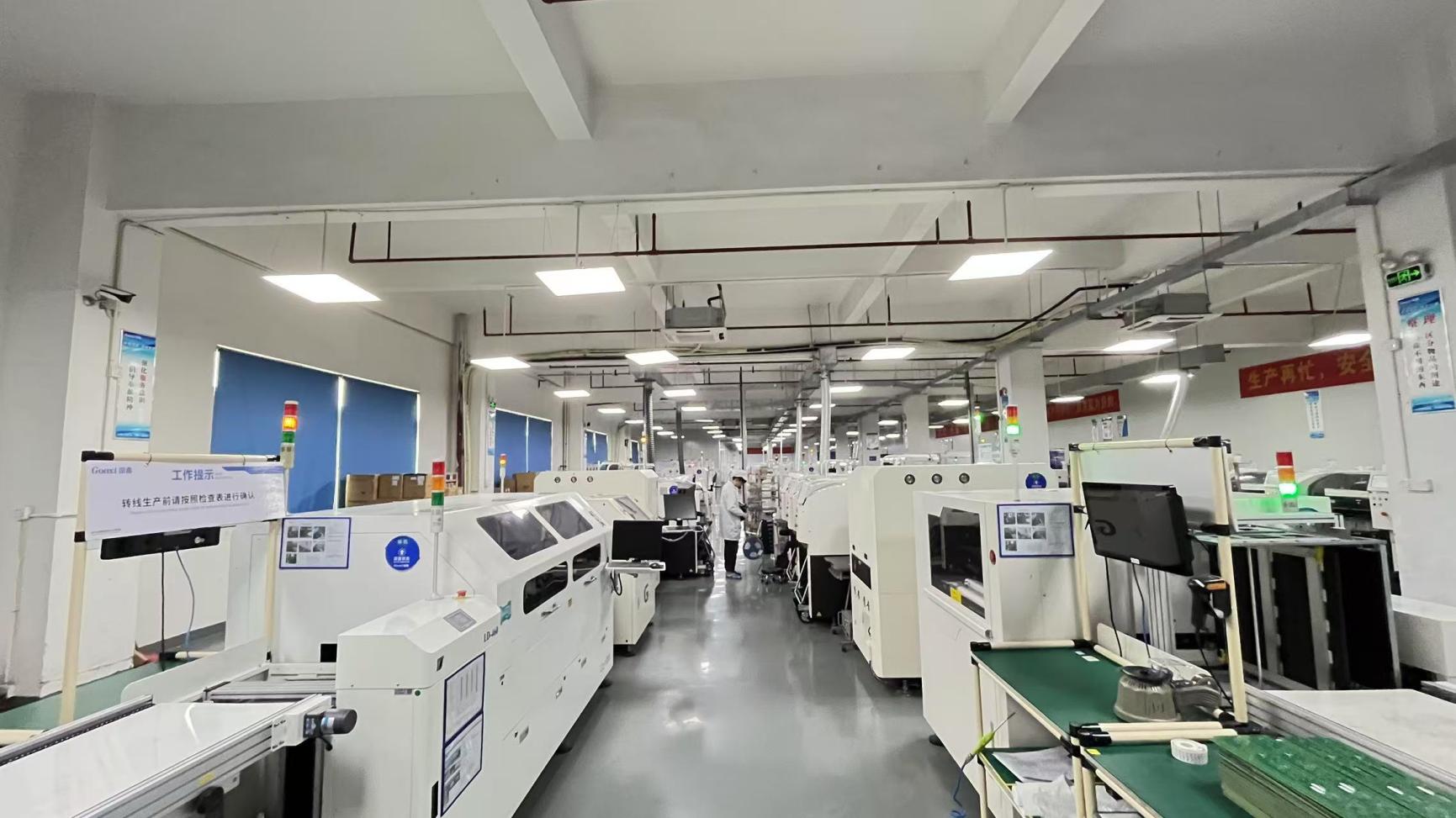
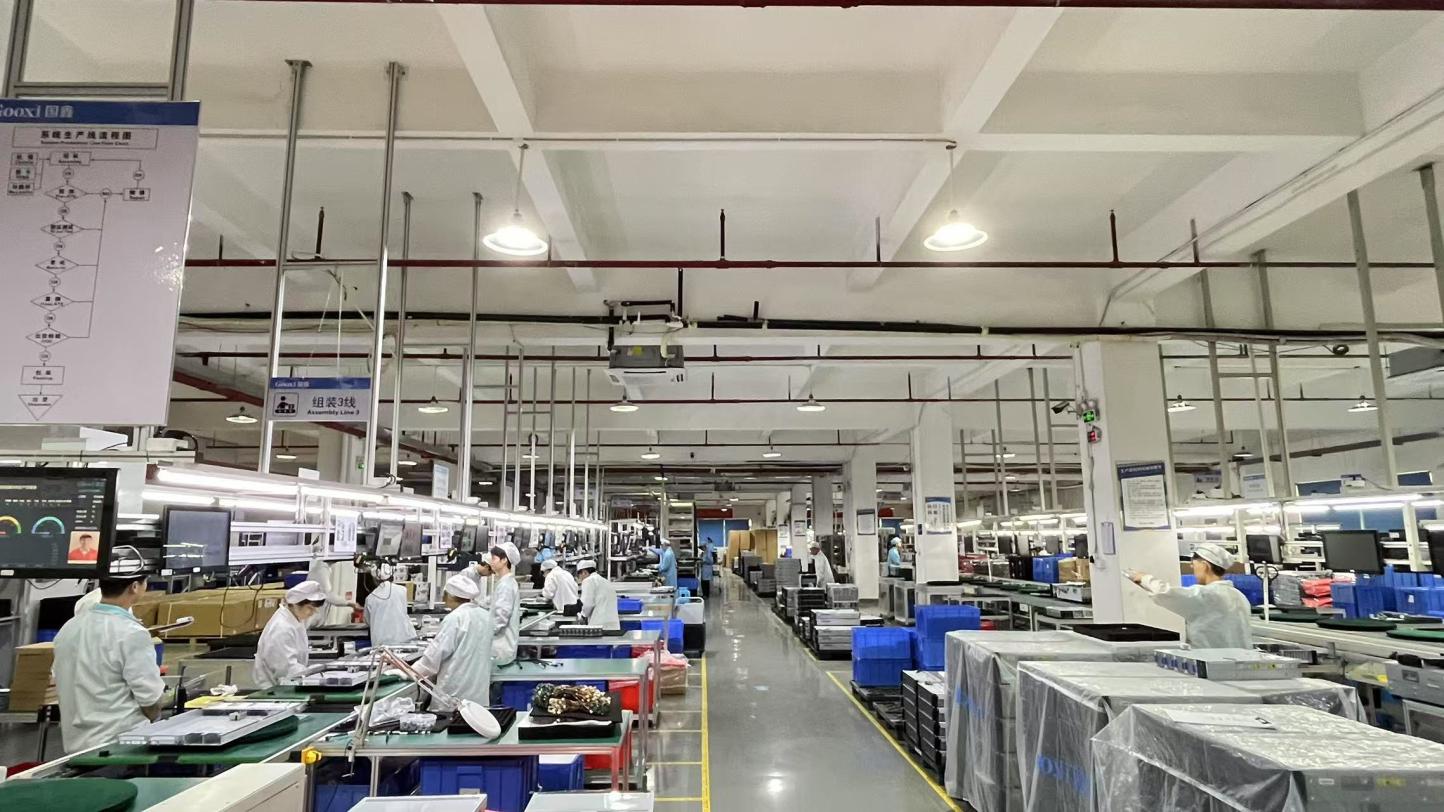
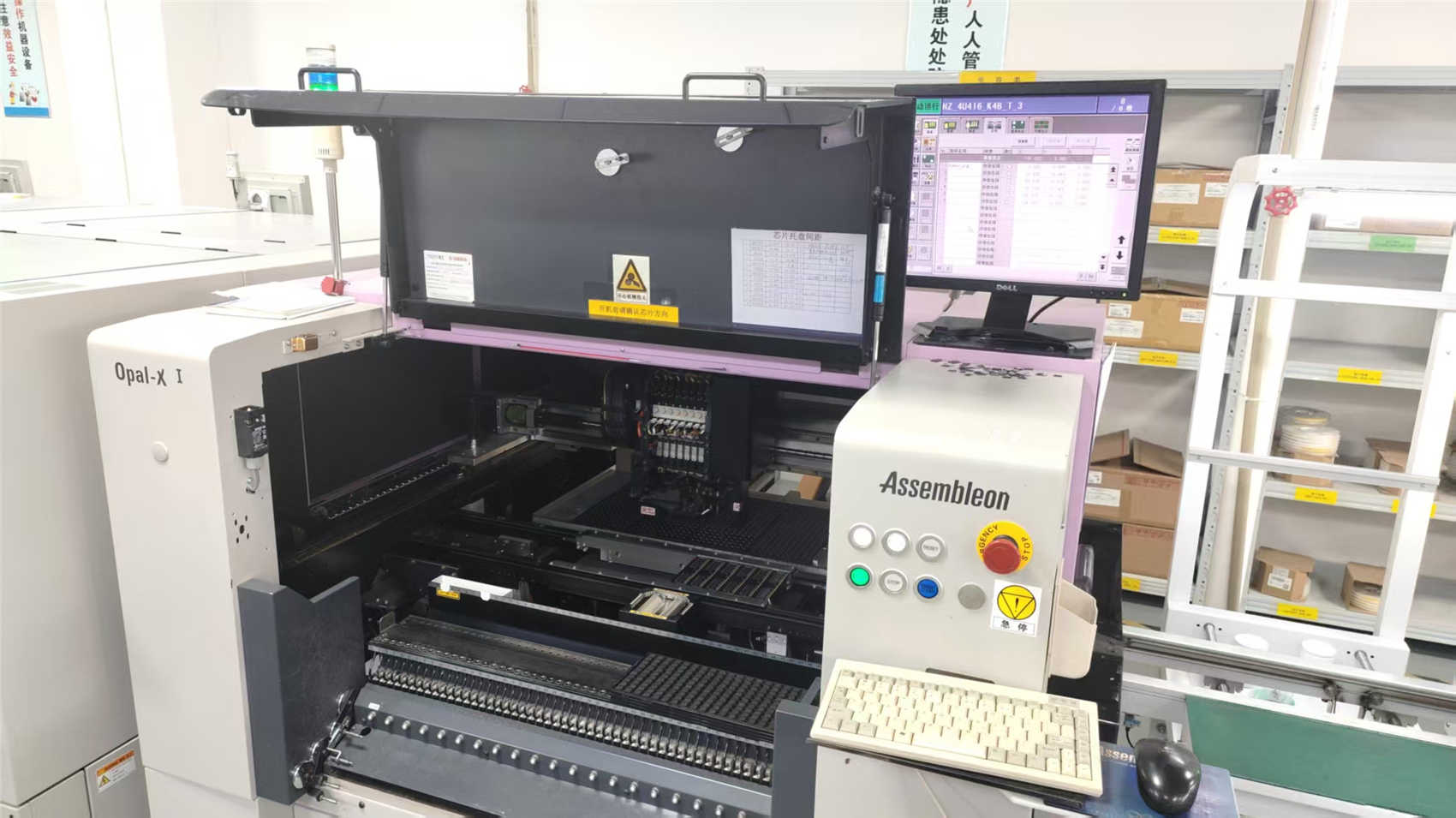
LAN transformers are integral components deployed across diverse vertical industries. In industrial automation, Ethernet physical layers must contend with severe transient voltages generated by heavy electric motor drives and switching relays. Industrial protocols like EtherCAT, Profinet, and Modbus TCP rely on high-isolation transformers to ensure continuous data flow without packet losses in automated assembly lines.
In telecommunication infrastructures, especially outdoor 5G Small Cell deployments, LAN magnetics are exposed to harsh weather conditions and sudden lightning surges. Our components are designed with advanced protection circuitry, satisfying over-voltage surges under GR-1089-CORE and K.21 standards, ensuring continuous operational lifetime in exposed environments.
Looking ahead, the industry is preparing for the introduction of Single Pair Ethernet (SPE) based on 10Base-T1L and 100Base-T1 standards. By reducing the physical cabling to a single twisted pair of copper wires, SPE lowers weight, decreases complexity, and reduces total system cost. This technology is highly valuable for both automotive networks and commercial building management systems. Zyqora is already researching new SPE magnetics to support this trend, designing components that fit into extremely tight spatial envelopes.
OEM/ODM Capabilities: Supported by our experienced R&D team, Zyqora provides full customizing services, adapting footprint layouts, turns ratios, or integrating additional common-mode chokes to meet specialized transceiver requirements. Last year alone, we launched 168 new customized products to satisfy specific B2B client demands.
Discover our comprehensive collection of multi-port, high-bandwidth transformers for telecommunications and servers.
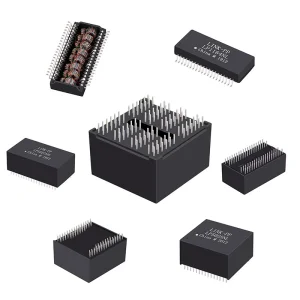
Technical insight into specifying and implementing LAN magnetic components.