Zyqora
Zyqora
Zyqora
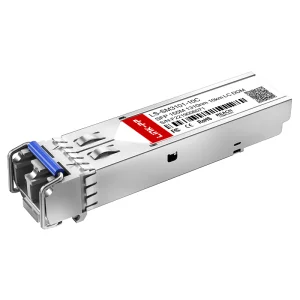
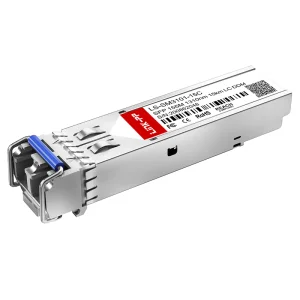
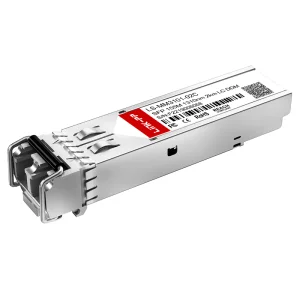
Explore our high-reliability 155Mbps and 622Mbps SFP transceiver modules, designed for seamless multi-vendor compatibility and exceptional optical budget performance across single-mode and multimode networks.
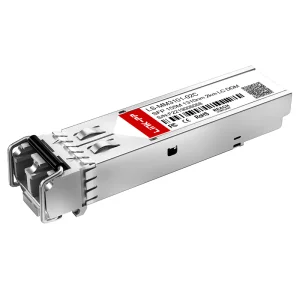
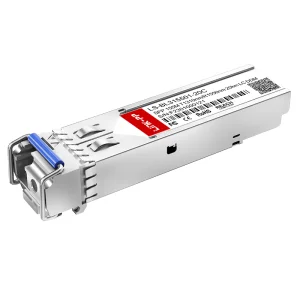
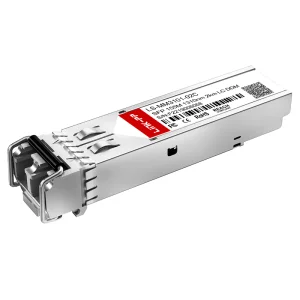
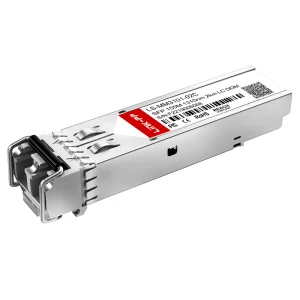
In an era dominated by Terabit-scale architectures and multi-gigabit coherent networks, the continued deployment of 155Mbps (STM-1/OC-3) and 622Mbps (STM-4/OC-12) optical modules is a testament to the stability and specific requirements of global industrial Ethernet and synchronous digital hierarchy (SDH) networks.
These legacy data rates operate with specialized coding schemes optimized for extremely low latency fluctuation and jitter tolerance. Industries such as smart grid electrical distribution (conforming to IEC 61850), railway interlocking systems, and legacy telecommunications transport loops rely heavily on these interfaces. They deliver guaranteed service level agreements (SLAs) over decades of continuous operation, environments where modern dynamic routing protocols fail to provide deterministic consistency.
Zyqora Optical Technologies specializes in manufacturing robust SFP transceivers designed with custom microcontrollers and stable optical components (VCSEL, FP, and DFB lasers) to ensure these low-speed connections outlast typical infrastructure life cycles.
Modern fiber links are heavily optimized for throughput, often introducing variable packet parsing delays. By contrast, SDH/SONET protocols at 155M/622M rates provide synchronous time-division multiplexing (TDM) that guarantees strict transmission windows. Sourcing highly compatible and durable transceivers from an experienced Chinese manufacturer like Zyqora guarantees the preservation of this structural determinism across your legacy systems.
Our industrial-grade and telecom-grade optical transceivers are engineered in compliance with the Multi-Source Agreement (MSA). The matrix below provides the detailed performance parameters required by telecom systems engineers for long-haul and short-haul fiber planning.
| Data Rate & Type | Wavelength (TX/RX) | Fiber Type | Max Distance | Optical Transmitter | Receiver Sensitivity | Connector Type |
|---|---|---|---|---|---|---|
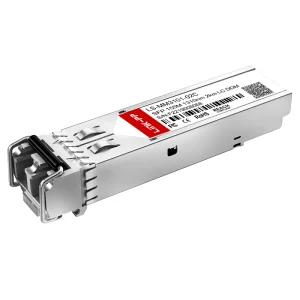
| 155M Fast Ethernet / STM-1 | 1310nm / 1310nm | Multimode (MMF) | 2 km | FP Laser | < -32 dBm | Duplex LC |
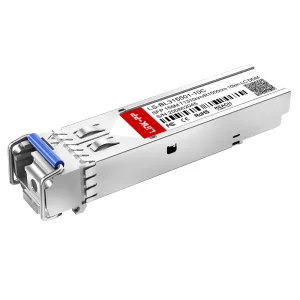
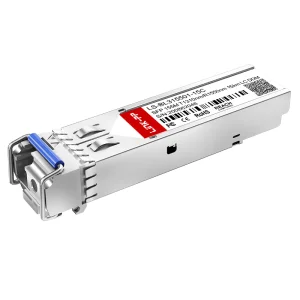
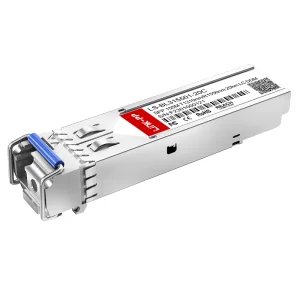
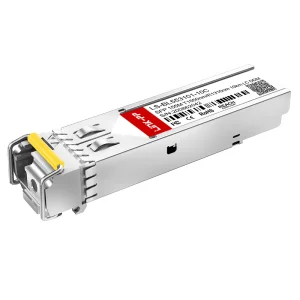
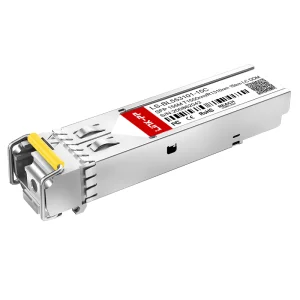
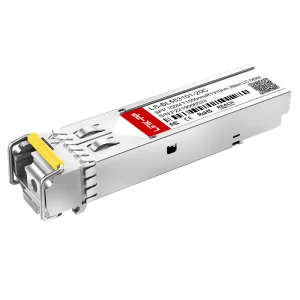
| 155M Bidi Fast Ethernet | 1310nm-TX / 1550nm-RX | Single Mode (SMF) | 15 km / 20 km | FP / DFB Laser | < -34 dBm | Simplex LC |
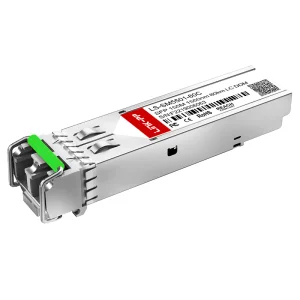
| 155M Long Reach STM-1 | 1550nm / 1550nm | Single Mode (SMF) | 80 km / 120 km | DFB Laser | < -38 dBm | Duplex LC |
| 622M STM-4 / OC-12 | 1310nm / 1310nm | Single Mode (SMF) | 10 km / 20 km | FP Laser | < -28 dBm | Duplex LC |
| 622M Long-Haul STM-4 | 1550nm / 1550nm | Single Mode (SMF) | 80 km | DFB Laser | < -30 dBm | Duplex LC |
| 622M Bidi STM-4 | 1310nm-TX / 1490nm-RX | Single Mode (SMF) | 20 km / 40 km | DFB Laser | < -31 dBm | Simplex LC |
Sourcing from Zyqora’s advanced optical assembly plant in China combines cost-efficiency with high-precision manufacturing, ensuring you receive enterprise-grade transceivers that meet and exceed IEEE, ITU-T, and MSA standards.
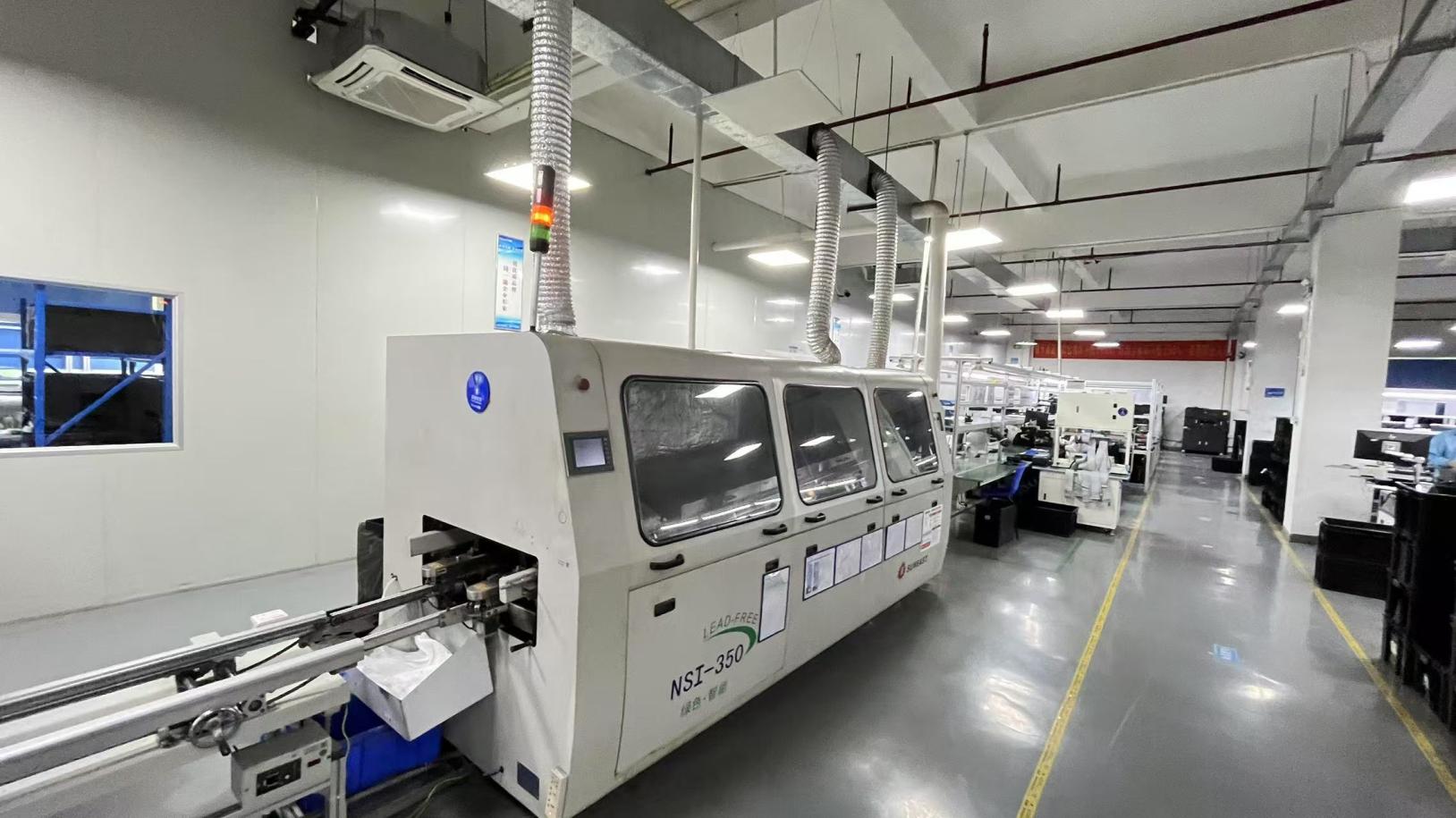
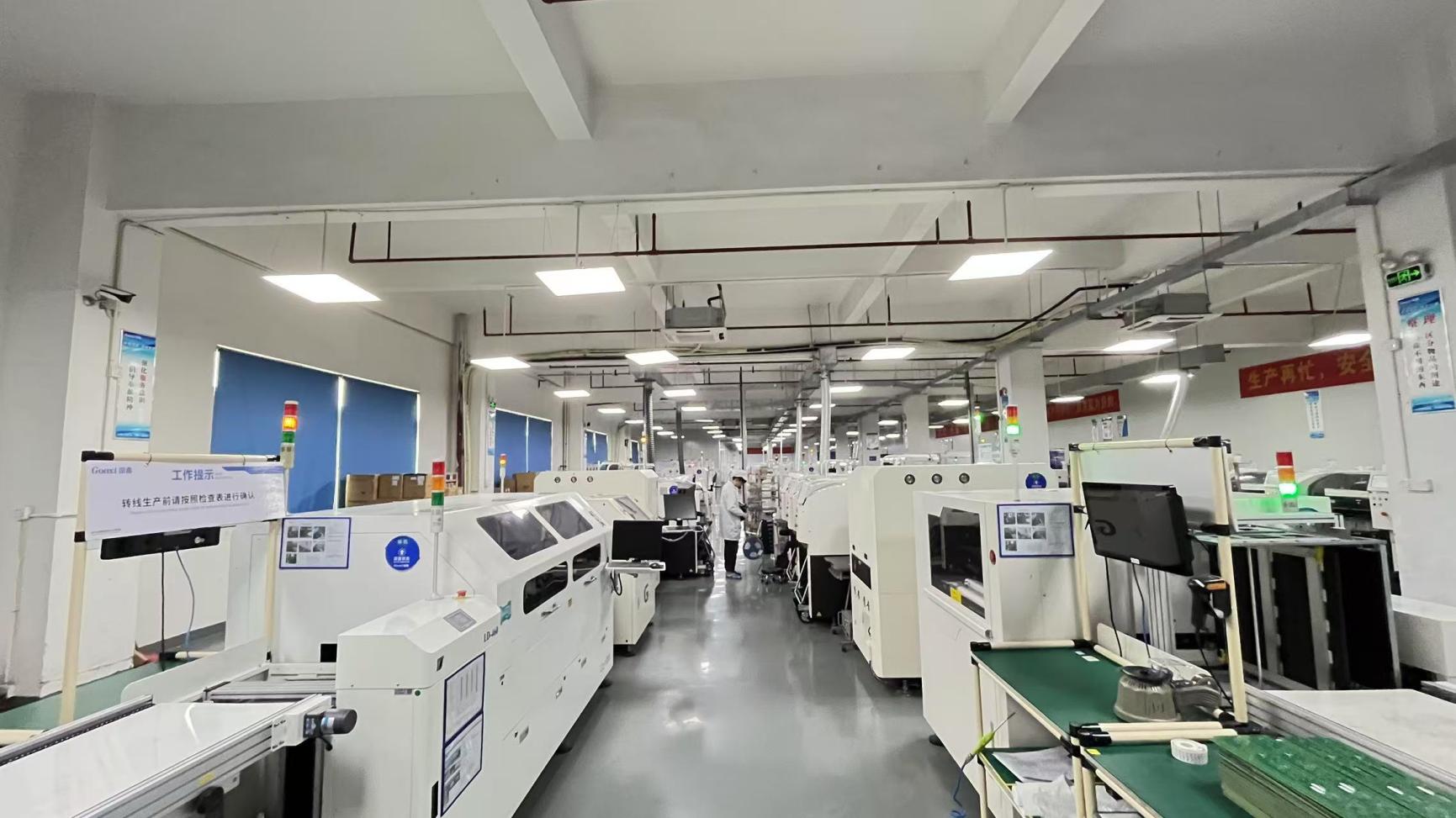
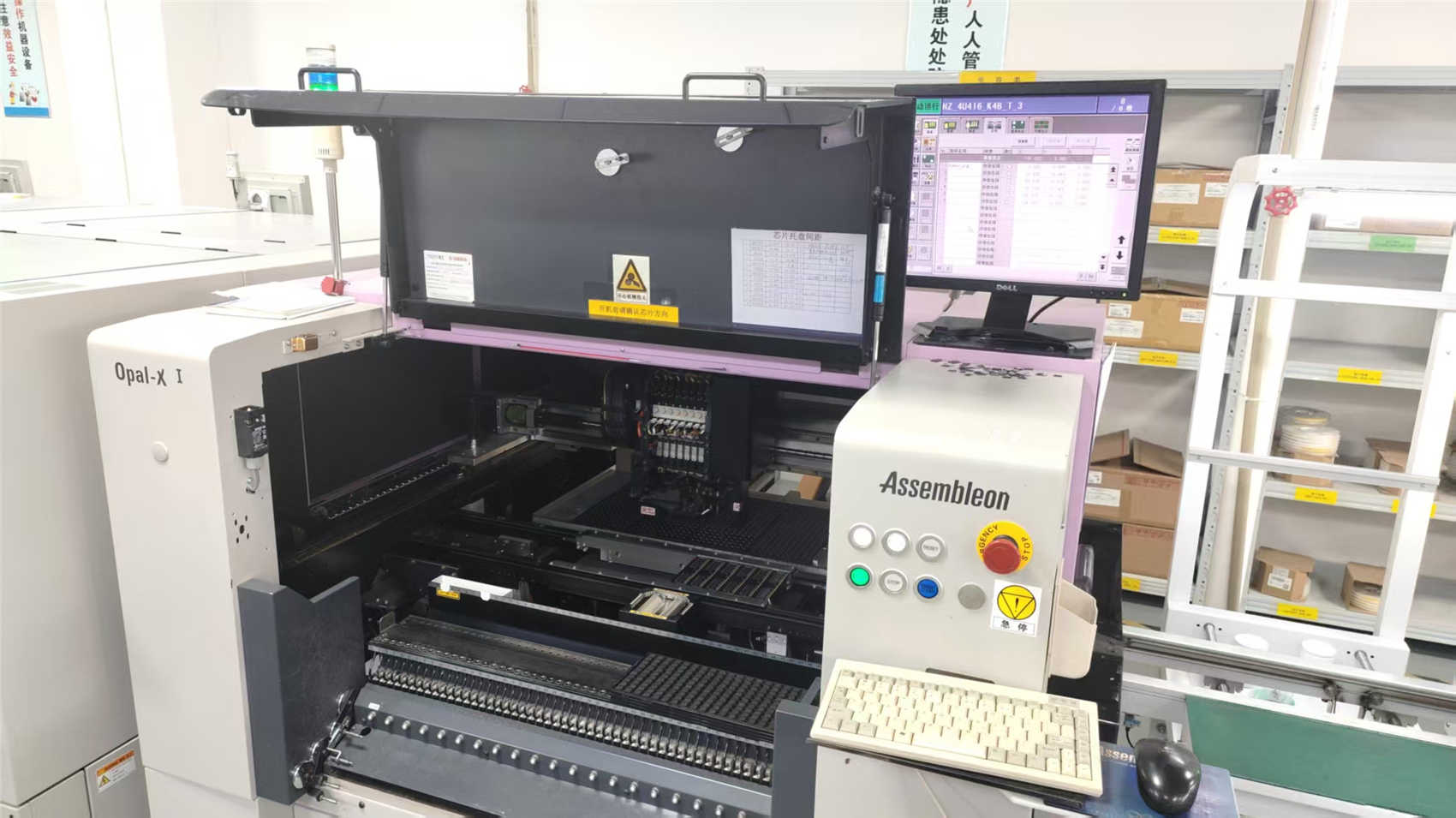
We leverage advanced automated active alignment systems to couple lasers (VCSEL/FP/DFB) with fiber cores, reducing manual alignment errors and improving optical output power consistency. This ensures transmission power margins remain stable across fluctuating temperatures.
Our engineering laboratory operates a dedicated testing matrix featuring switches and routers from over 30 global OEMs (including Hirschmann, Moxa, Cisco, Huawei, Juniper, and HP). We code and cross-verify EEPROM registers to guarantee plug-and-play installation without error alarms.
Every 155M/622M module supports standard DOM/DDM interfaces. Network administrators can monitor real-time laser bias current, temperature, supply voltage, transmit optical power, and receive optical power to proactively spot fiber degradation before it disrupts services.
Our legacy transceivers deliver highly optimized physical layer solutions for specialized infrastructure projects where higher bandwidth is either cost-prohibitive or technically unnecessary.
Modern smart grids rely on protection relays and telecontrol units communicating over fiber. 155M SFPs (often customized for industrial temperatures of -40°C to +85°C) are installed in hardened switches to transmit control commands under intense electrical interference without packet loss.
Railway control rooms require highly reliable, low-capacity loops to monitor signaling points and track switches. Single-mode 155M and 622M BiDi (single-fiber bidirectional) modules optimize infrastructure costs by using a single fiber strand to establish reliable, redundant communications over long distances.
Manufacturing and oil & gas facilities rely on legacy automation hardware that only supports 100BASE-FX or STM-1 rates. Our transceivers serve as drop-in replacements for Hirschmann, Moxa, and Ruggedcom switches, helping facilities extend the life of their high-value physical assets.
To guarantee reliable performance in critical environments, we apply a multi-tier quality control methodology across all our production runs.
Every batch of laser diodes, photodetectors, and driver ICs undergoes rigorous incoming inspection to confirm they meet exact electrical and optical specifications.
Industrial-grade modules are tested under extreme temperature cycles in specialized environmental chambers (-40°C to +85°C) to prevent thermal drift.
Our engineers write custom firmware parameters and verify their compatibility with host hardware from different vendors to prevent module lockout issues.
We test finished modules using optical attenuators and pattern generators to guarantee error-free performance (BER < 10^-12) over their rated distances.
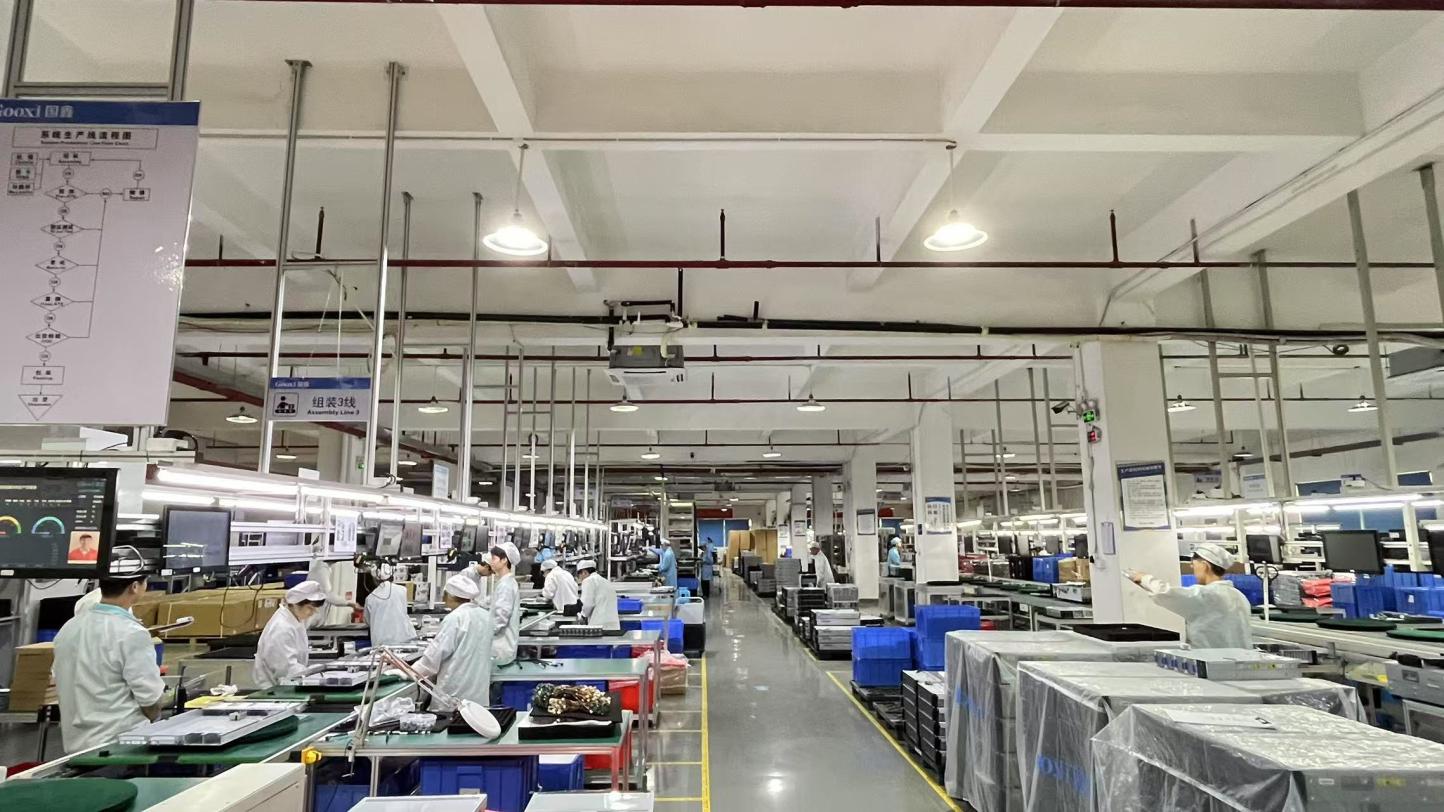
Founded in 2016, Zyqora Optical Technologies Co., Ltd. is a professional manufacturer and supplier of high-performance optical transceivers and fiber connectivity solutions for global data center, telecom, enterprise network, and cloud computing applications.
With a modern production facility covering 386 square meters, Zyqora specializes in the design, development, manufacturing, and testing of optical communication products, including SFP, SFP+, SFP28, QSFP28, QSFP-DD, OSFP, AOC, and DAC solutions. Our products are engineered to deliver reliable performance, scalability, and seamless compatibility with mainstream networking platforms.
Over the years, Zyqora has established a strong international presence, achieving annual export revenue exceeding USD 18 million. Backed by 8 years of export experience and 10 years of industry expertise, we serve customers across North America, Europe, Southeast Asia, the Middle East, and Latin America.
Quality is at the core of everything we do. Our manufacturing process is supported by comprehensive quality assurance procedures, including incoming material inspection, optical performance testing, aging tests, compatibility verification, and final product inspection. A dedicated team of 42 quality control professionals ensures that every product meets international standards and customer expectations.
As a company with both manufacturing and international trading capabilities, Zyqora has built a reliable supply network with more than 860 supply chain partners, enabling efficient sourcing, stable production, and flexible delivery schedules.
Our primary customers include telecom operators, data center providers, system integrators, network equipment distributors, and enterprise IT solution providers worldwide. To support evolving market demands, we maintain a strong research and development team focused on innovation and product optimization.
Zyqora offers comprehensive OEM and ODM services, including customized labeling, firmware coding, packaging design, and product specification development. Last year alone, the company successfully launched 168 new products to meet the growing requirements of next-generation network infrastructures.
Our R&D department consists of 65 experienced engineers specializing in optical communication technologies, high-speed transmission systems, and network interoperability solutions. Through continuous innovation and strict quality management, Zyqora remains committed to providing cost-effective, reliable, and future-ready optical networking products for customers around the world.
Although the industry focuses on 800G and coherent optics, demand for 155M and 622M transceivers remains resilient. This is driven by several key factors:
Compatibility issues stem from host switches reading specific registers in the SFP’s internal EEPROM (under SFF-8472 guidelines). Switch manufacturers often implement security locks that restrict third-party modules. At Zyqora, we resolve this by analyzing vendor-specific code architectures in our verification lab. We write customized EEPROM parameters (including matching vendor IDs and serial formats) so our modules integrate seamlessly with legacy switches.
The primary difference lies in the operating temperature range and the selection of raw materials. Commercial-grade modules operate from 0°C to +70°C, suitable for controlled server rooms. Industrial-grade modules support a range of -40°C to +85°C, designed for extreme environments like outdoor enclosures or substations. These industrial modules use specialized laser diodes and custom electronic packaging to withstand temperature fluctuations.
It depends on the switch's hardware design. While some Gigabit Ethernet switches are backward compatible and can auto-negotiate down to 100Mbps/155Mbps, others have fixed 1G ports that do not support lower speeds. We recommend verifying if your switch hardware and firmware support dual-rate or multi-rate configurations. Our technical support team can help verify this by reviewing your switch specifications.
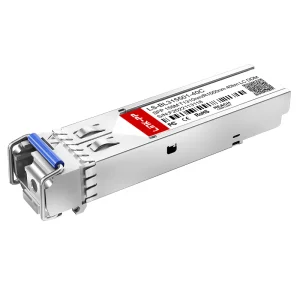
Traditional transceivers require two optical fibers: one for transmitting data and one for receiving. BiDi modules utilize wavelength-division multiplexing (WDM) to transmit and receive signals over a single fiber strand using two distinct wavelengths (e.g., 1310nm-TX and 1550nm-RX). This cuts the required fiber cabling in half, saving infrastructure costs in fiber-constrained runs.
We provide comprehensive OEM and ODM options, including customized label branding, laser etching on SFP housings, custom packaging, and specialty firmware coding. We can also pre-code transceivers to match specific system requirements, ensuring seamless out-of-the-box performance for systems integrators.
Our specialized simplex bidirectional and high-performance optical transceiver modules are designed to solve single-fiber constraints and long-distance challenges.