Zyqora
Zyqora
Zyqora
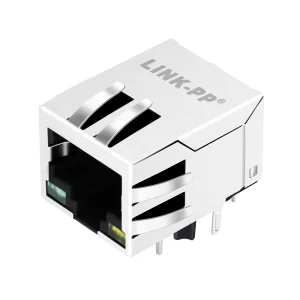
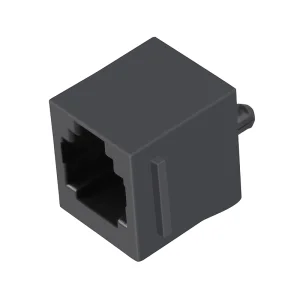
In the era of hyper-connectivity, IoT proliferation, and automated manufacturing, the humble RJ45 Ethernet socket remains the cornerstone of wired telecommunication networks. Despite the exponential rise of wireless protocols, copper-based Ethernet deployments continue to experience stable, resilient growth. The necessity of physical medium dependency in low-latency industrial automation, enterprise cloud infrastructures, and edge computing nodes has created a heightened demand for high-reliability, magnetics-integrated RJ45 sockets.
Modern smart factories rely on Real-Time Ethernet protocols such as EtherCAT, PROFINET, and Modbus-TCP. These setups demand ruggedized RJ45 connectors capable of sustaining mechanical stress, chemical exposure, and electromagnetic interference (EMI).
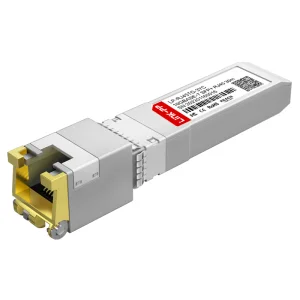
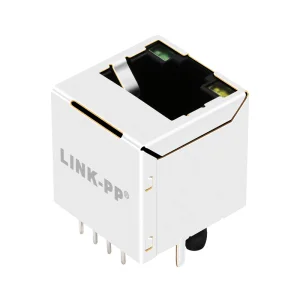
High-density patch panel layouts, server interface boards, and SFP+ optical copper converters (such as 10GBASE-T modules) necessitate highly integrated, vertical or low-profile multi-port RJ45 jacks with built-in magnetic filters.
Power over Ethernet (PoE, PoE+, PoE++) applications, including IP cameras, wireless access points, and LED lighting nodes, rely on RJ45 pins designed to transfer continuous DC power alongside Gigabit-speed packet data.
As requirements transition from standard gigabit speeds to 10G, 25G, and 40G over copper, the physical design parameters of the RJ45 connector face stringent electrical bottlenecks. The technical roadmap highlights a transition towards integrated magnetics (MagJack), multi-gigabit compatibility, and superior EMI shielding mechanisms.
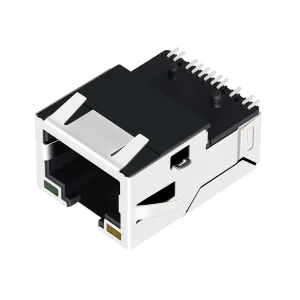
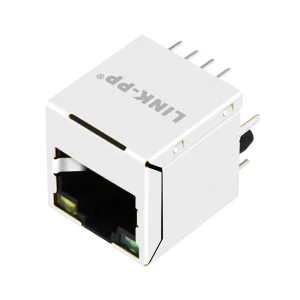
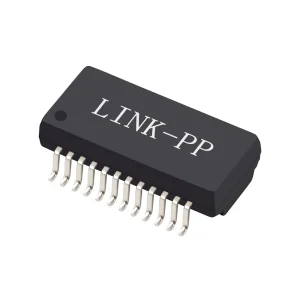
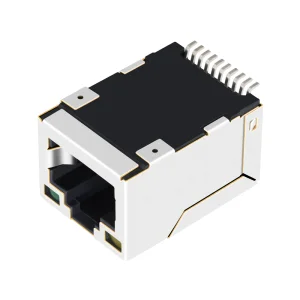
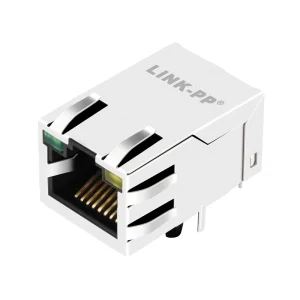
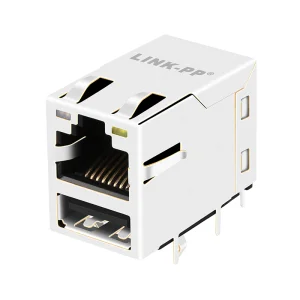
Integrating isolation transformers, common-mode chokes, and decoupling capacitors inside the RJ45 housing reduces PCB footprint, minimizes EMI emissions, and provides high-voltage isolation (typically 1.5kV AC) required by IEEE 802.3 rules.
To achieve Category 6A (500 MHz) and Category 8 (2000 MHz) performance limits, manufacturers deploy advanced internal separation panels and 360-degree metallic shielding cages to eliminate internal Near-End Crosstalk (NEXT) and Alien Crosstalk.
IEEE 802.3bt (PoE++ Type 4) delivers up to 90W-100W over 4-pair cables. This demands robust, heavy-gauge gold-plated copper contacts (typically 50 micro-inches of gold plating over nickel) to prevent electrical arcing damage when unplugged under load.
Supply Chain Partners
R&D Optical Engineers
Annual Export Value
New Products Launched Annually
Founded in 2016, Zyqora Optical Technologies Co., Ltd. is a professional manufacturer and supplier of high-performance optical transceivers, fiber connectivity solutions, and high-frequency communication interfaces for global data centers, telecommunications networks, enterprises, and cloud computing environments.
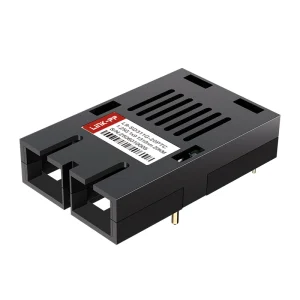
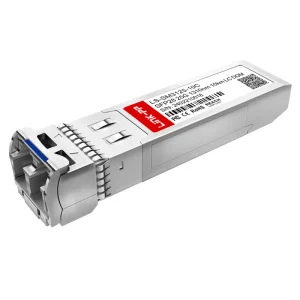
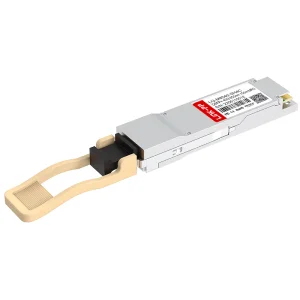
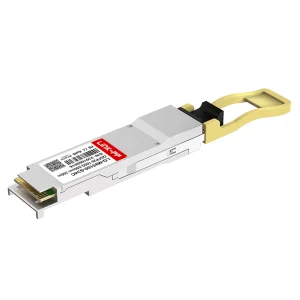
Operating a modern production facility spanning 386 square meters, Zyqora specializes in the research, design, prototype development, automated packaging, and validation testing of high-speed transmission components. Our product portfolio spans across SFP, SFP+, SFP28, QSFP28, QSFP-DD, OSFP, AOC, DAC solutions, and high-performance copper transceivers like the 10GBASE-T RJ45 module.
Backed by a team of 65 dedicated R&D engineers and 42 strict quality assurance professionals, Zyqora integrates vertical manufacturing expertise with global logistics. Through collaborations with over 860 supply partners, we provide unmatched flexibility for custom OEM/ODM requests, packaging modifications, and firmware optimizations.
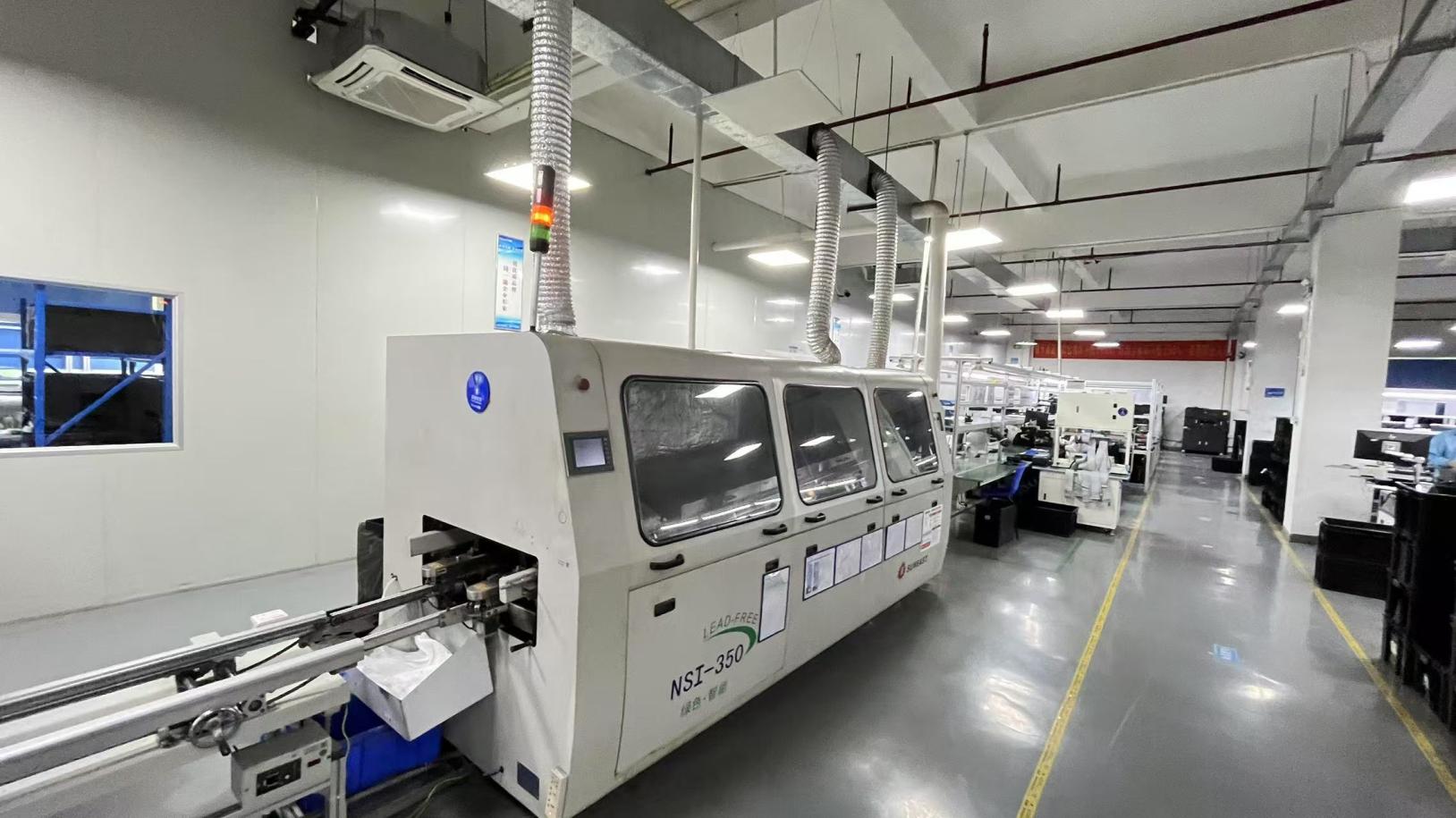


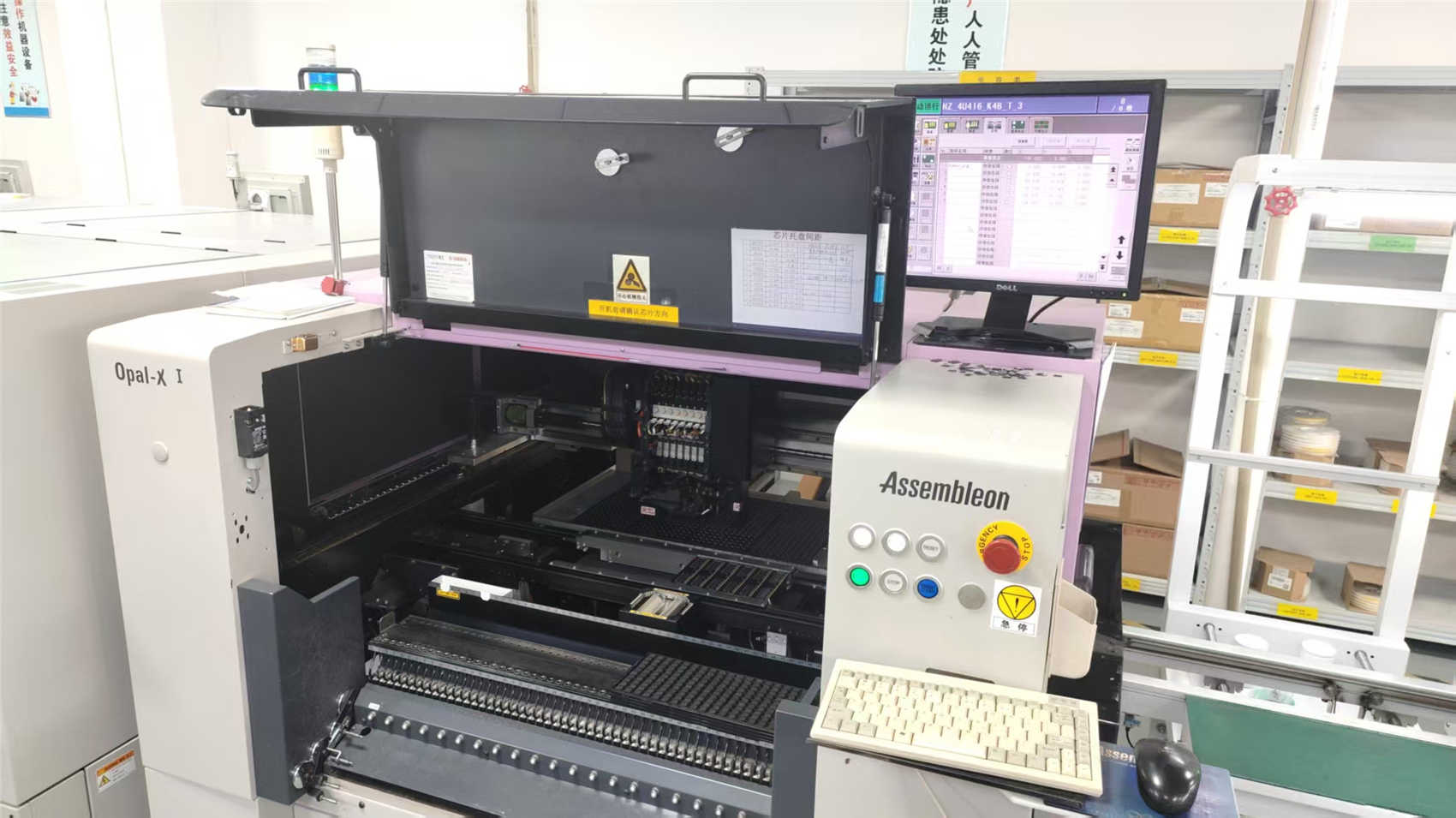
Southern China’s manufacturing hub clusters high-grade copper alloy refineries, precision injection molding factories, and automated packaging suppliers. This proximity minimizes raw material lead times and stabilizes manufacturing costs.
Modern tooling designs allow for contact coplanarity controlled within +/-0.1mm. High-speed stamping presses maintain pin tolerances within microns to guarantee optimal retention force and mating cycles (>750 insertions).
Top tier Chinese factories implement intensive automation with multi-stage AOI (Automated Optical Inspection) and strict adherence to RoHS, REACH, UL safety standards, and CE requirements, ensuring global market access.
Procurement and systems integration teams must evaluate suppliers beyond unit pricing. The table below lists critical parameters for choosing a qualified RJ45 socket or optical transceiver supplier:
| Evaluation Parameter | Standard Requirement | Critical Impact |
|---|---|---|
| Gold Plating Thickness | 1u" to 50u" (Micro-inches) | Prevents corrosion and maintains contact resistance below 20mΩ over 750+ mating cycles. |
| Magnetic Integration | Internal Transformers & LEDs | Provides high-voltage circuit isolation (1.5kV) and eliminates electromagnetic interference on the motherboard. |
| Insertion Loss & Return Loss | Measured via Vector Network Analyzers | Directly impacts signal integrity and packet delivery rate over longer copper runs (up to 100 meters). |
| PoE Compatibility | IEEE 802.3af/at/bt compliant | Determines current carrying capacity (up to 1A per pin) without causing thermal overheating. |
| Mechanical Mounting Type | SMT, Through-Hole, Press-Fit | Affects the production yield rate during wave soldering or reflow soldering processes. |
In automotive manufacturing plants, industrial-grade IP67/IP68 RJ45 sockets with circular bayonet couplings prevent dust and moisture ingress. Specialized chemical-resistant plastics ensure that exposure to lubricants and solvents does not compromise housing integrity.
Outdoor telecommunication cabinets experience severe temperature fluctuations (-40°C to +85°C). Industrial transceivers (such as the SFP-10G-T-X) and modular RJ45 jacks must feature wide-temperature silicon components to avoid frequency drift and transmission drops.
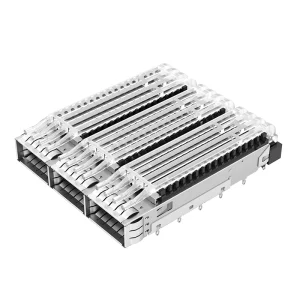
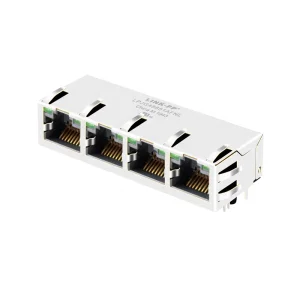
Data centers require multi-port RJ45 gang structures (1x4, 2x6, etc.) with integrated light pipes to minimize space on rackmount panels. The primary challenge is maintaining low temperature rise while handling high packet speeds under compact physical space limits.