Zyqora
Zyqora
Zyqora
Engineered for mission-critical networking, industrial automation, and data transmission continuity.
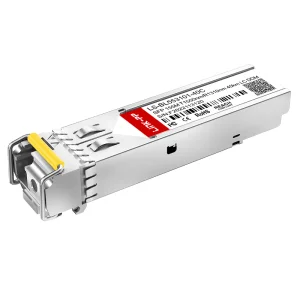
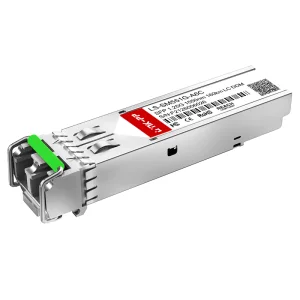
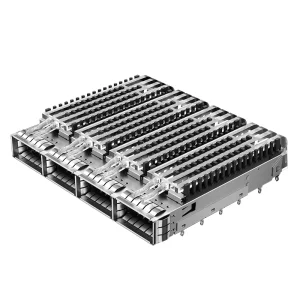
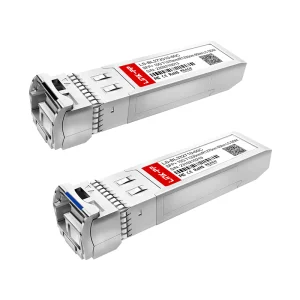
Providing seamless, high-integrity physical layers and hardware to global telecom operators and enterprise networks.
Founded in 2016, Zyqora Optical Technologies Co., Ltd. is a professional manufacturer and supplier of high-performance optical transceivers, ruggedized connectivity structures, and high-frequency magnetics for global data centers, telecommunications, industrial control systems, and cloud computing environments.
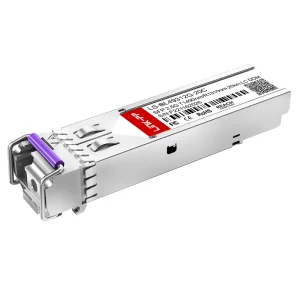
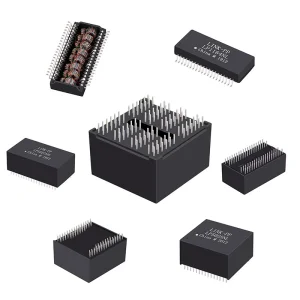
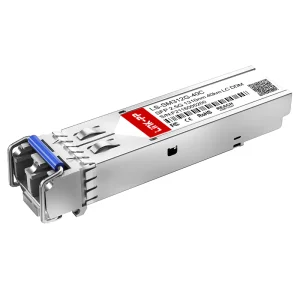
With a modern production facility covering 386 square meters dedicated to precision verification and testing, Zyqora specializes in the design, development, manufacturing, and QA calibration of active communication products (including SFP, SFP+, SFP28, QSFP28, QSFP-DD, OSFP, AOC, and DAC solutions) along with durable modular connectors and LAN transformer modules. Our components are custom-engineered to deliver robust transmission speeds, resilient shielding parameters, and complete hardware compatibility across multi-vendor networking infrastructures.
Over the years, Zyqora has scaled its operations to achieve an annual export revenue exceeding USD 18 million. Backed by 8 years of specialized export experience and 10 years of foundational industry expertise, we support engineering and operations teams across North America, Europe, Southeast Asia, the Middle East, and Latin America.
Quality represents the core of our operations. The production system is supported by rigorous quality assurance procedures, containing incoming raw material audits, electrical characteristics validation, high-temperature thermal aging, link-layer interoperability checks, and final outgoing validation. A dedicated team of 42 quality control professionals makes certain that every component conforms to RoHS, REACH, UL, and CE directives.
A comprehensive whitepaper on selecting, verifying, and deploying hardened industrial copper networks.
In standard commercial installations, network cabling is rarely subjected to high tensile stress, chemical exposure, or extreme moisture. However, industrial Ethernet lines installed on robot arms, marine platforms, or high-vibration engine environments face multiple physical stressors. Standard ISO/IEC 11801 classifies environmental conditions using the M.I.C.E. matrix (Mechanical, Ingress, Climatic, and Electromagnetic):
| Classification Parameter | Level 1 (Commercial Office) | Level 2 (Light Industrial) | Level 3 (Harsh Industrial) |
|---|---|---|---|
| M (Mechanical - Vibration/Shock) | Low (Vibration: 0.1g, Shock: None) | Medium (Vibration: 1.5g, Shock: 10g) | High (Vibration: 5.0g, Shock: 30g) |
| I (Ingress - Dust & Liquid protection) | IP20 (No moisture protection) | IP40/IP54 (Dust resistant, light sprays) | IP67/IP68 (Dust-tight, continuous submersion) |
| C (Climatic - Temp, Humidity, UV) | 0°C to 50°C (Standard office HVAC) | -20°C to 60°C (Unconditioned indoor) | -40°C to 85°C (Extreme outdoor, UV & oil exposure) |
| E (Electromagnetic - EMI/RFI) | Low ESD, no high-voltage transients | Moderate RF fields, sub-kilovolt ESD | High RF fields, multi-kV surges, heavy welding EMI |
China's specialized rugged RJ45 factories utilize this matrix to engineer cables with specific protective jackets (such as Polyurethane - PUR, or Thermoplastic Elastomer - TPE) and heavy metal bayonet locking mechanisms. This ensures data lines do not lose packets or fail mechanically due to shell fracturing or pin oxidation.
Electromagnetic Interference (EMI) generated by variable frequency drives (VFDs), servo motors, and high-voltage transmission lines can induce cross-talk and transmission errors. Understanding the shielding nomenclature is critical for system architects:
“Engineering Insight: For deployments near heavy welding equipment or high-frequency induction furnaces, S/FTP assemblies utilizing tinned copper braid with >85% coverage are critical to maintain zero bit-error-rate (BER) configurations.”
The standard RJ45 plastic latch is notoriously fragile. In rugged configurations, the electrical contact of the RJ45 plug is encased in a protective zinc die-cast or high-impact polymer housing. Two primary locking mechanisms dominate the industrial market:
Why Tier-1 global integrators choose specialized Chinese factories for industrial-grade copper and optical interconnect solutions.
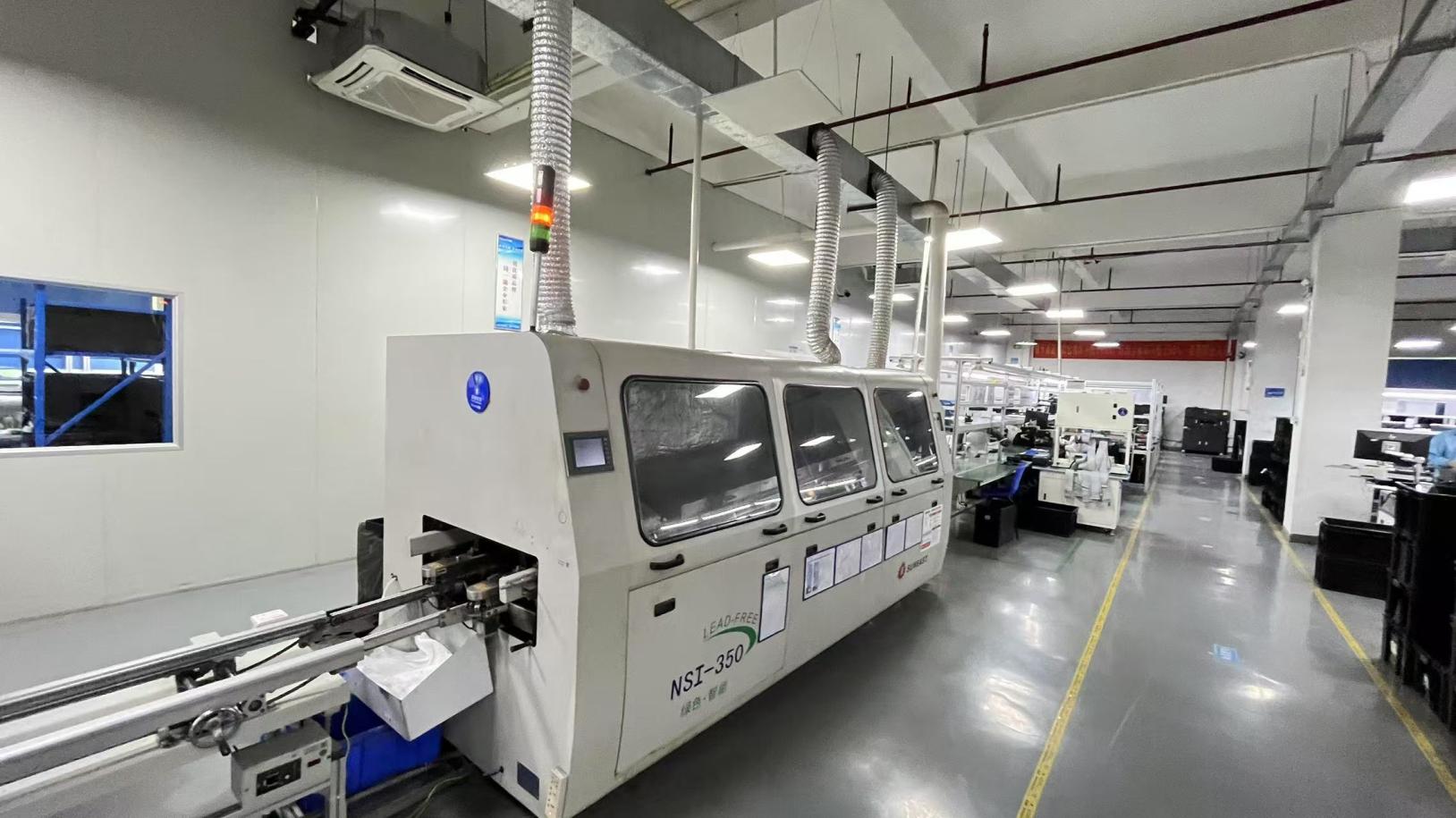
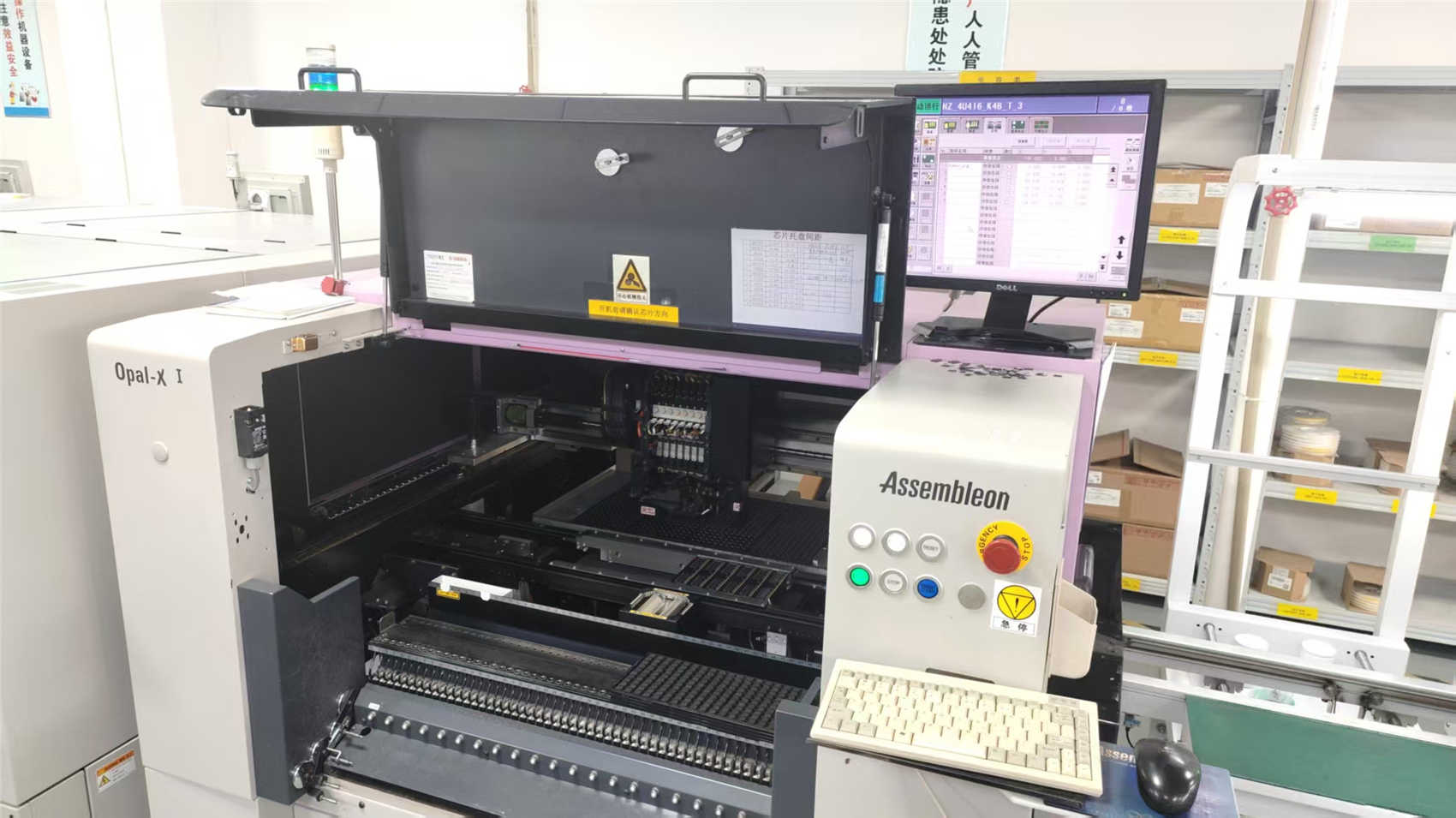
Leading Chinese facilities control the entire production pipeline, from drawing raw oxygen-free copper rods to plastic injection molding of bayonet housings and surface mount technologies (SMT) for magnetic jacks.
By employing automatic optical inspection (AOI), digital network analyzer loops, and helium leak-testing for IP68 seals, modern factories minimize human error and ensure repeatable electrical characteristics.
With an extensive network of component suppliers, specialized manufacturers maintain a raw materials buffer that cushions global supply chain shocks and accelerates delivery schedules.
Rugged RJ45 connectors and optical transceivers are critical components across diverse, demanding industrial settings:


How next-generation physical-layer technologies are shaping the future of industrial networking.
The industrial networking landscape is transitioning towards Single Pair Ethernet (100BASE-T1 / 1000BASE-T1). SPE uses a single twisted pair of copper wires to transmit data and deliver power (PoDL - Power over Data Line) up to 1000 meters. While SPE connectors (IEC 63171-6) are gaining traction for field devices, rugged RJ45 systems continue to serve as the high-bandwidth backbone interface, bridging local device controllers to centralized server hubs and core network hardware.
High-resolution vision systems for automated quality inspection and real-time telemetry require gigabit speeds at the machine level. To meet this demand, factories are shifting from Category 5e to Category 6A and Category 8 copper systems. Designing an IP67-rated RJ45 connector capable of handling 2000 MHz (Cat8) without signal degradation requires advanced crosstalk-cancellation techniques, high-density metal backshells, and precise impedance matching inside the plug assembly.
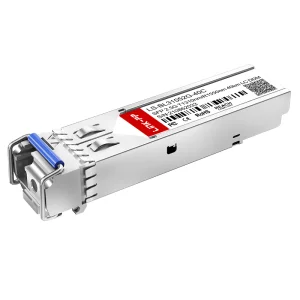
In environments with extreme electromagnetic fields or over long distances, copper cabling reaches its physical limits. Next-generation rugged RJ45 housings are designed to accept optical transceivers or hybrid electro-optical configurations. This allows network engineers to route fiber lines through standard industrial enclosures using the same mechanical installation profiles.
Essential standards that international buyers must specify during factory audit and contract phases.
Procuring network components globally requires strict verification to avoid import delays or hardware failures. Quality assurance starts with the verification of raw materials and continues through finished product certification:
Expert answers to common engineering and sourcing questions regarding ruggedized networks.
A: Polyurethane (PUR) jackets offer superior abrasion resistance, tear strength, and chemical durability compared to Polyvinyl Chloride (PVC). PUR remains flexible at lower temperatures (-40°C) and resists mineral oils, cutting fluids, and ozone, making it the standard choice for dynamic machine applications and drag chains.
A: The design utilizes elastomer gaskets, rubber O-rings, and precision-molded screw threads or bayonet couplings. When mated, these components compress to seal the connector assembly, preventing water and dust from reaching the RJ45 gold contacts.
A: Yes, industrial Category 6A connectors support PoE (IEEE 802.3af), PoE+ (IEEE 802.3at), and PoE++ (IEEE 802.3bt Type 4 up to 90W). Heavy-duty contact pins and robust thermal management are required to prevent heat buildup within bundled cables.
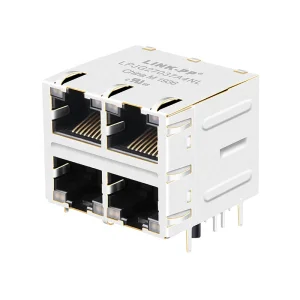
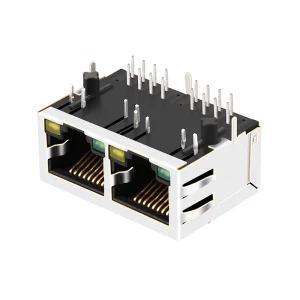
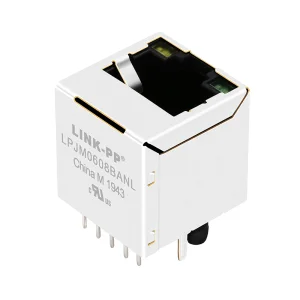
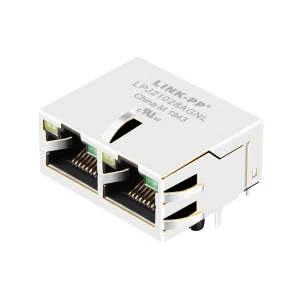
A: MagJacks integrate isolation transformers, common-mode chokes, and status LEDs inside a shielded connector housing. This integration provides electromagnetic isolation, filters high-frequency noise, and protects sensitive PHY silicon from common-mode voltage spikes.
Robust physical-layer components designed for continuous performance under harsh industrial conditions.