Zyqora
Zyqora
Zyqora
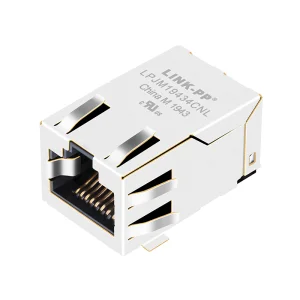
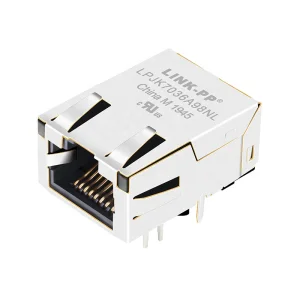
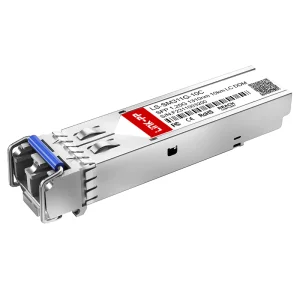
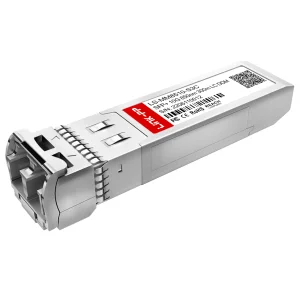
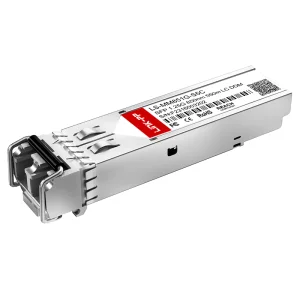
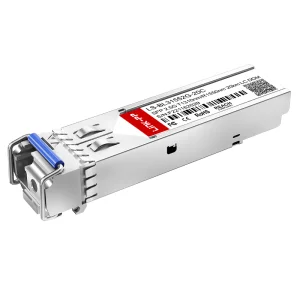
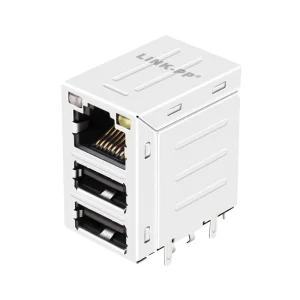
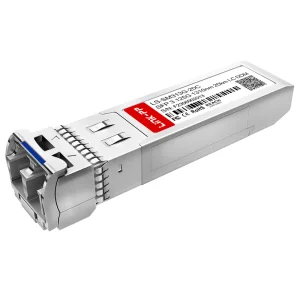
Explore our premium selection of Small Form-factor Pluggable (SFP) transceiver modules, EMI-shielded connector cages, and integrated RJ45 jack connectors engineered to exceed IEEE and MSA compliance standards.
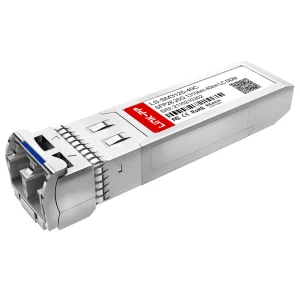
The modern telecommunication ecosystem relies on standardized hot-pluggable interfaces to maintain high-bandwidth signal integrity. The SFP (Small Form-factor Pluggable) interface, governed by Multi-Source Agreements (MSAs) such as INF-8074i and SFF-8472, defines the mechanical, electrical, and optical properties of high-speed transceiver modules. By separating the optical transceiver from the host system board, the SFP interface allows network administrators to upgrade physical media (copper, multimode fiber, or single-mode fiber) without replacing expensive switch or router backplanes.
In high-speed data transmission systems, the interface connector is a primary vector for signal degradation, return loss, and Electromagnetic Interference (EMI). Engineering premium SFP connector interfaces requires micro-millimeter precision in pin design (typically 20 pins for SFP/SFP+/SFP28, 38 pins for SFP-DD, and 76 pins for QSFP-DD) to maintain differential signal balance. Upgrading systems from standard 1.25G SFP to 10G SFP+, 25G SFP28, and ultra-high-speed 100G/400G configurations demands stringent dielectric materials, optimized trace geometries, and robust grounding architectures to minimize crosstalk.
Founded in 2016, Zyqora Optical Technologies Co., Ltd. has established itself as an industry-leading manufacturer and exporter of high-performance optical transceivers and fiber connectivity products. Operating out of a highly specialized and modern production facility, Zyqora integrates precise mechanical design, cleanroom semiconductor alignment, and automated testing to support telecom operators, hyper-scale cloud data centers, and enterprise network integrators globally.
Our comprehensive catalog spans high-frequency copper transceivers, standard optical modules (SFP, SFP+, SFP28, QSFP28, QSFP-DD, OSFP), and physical layer cabling systems (AOC & DAC). Over a decade of deep industry expertise has allowed Zyqora to develop robust supply networks and international trading pipelines. We now export to premier infrastructure builders across North America, Europe, Southeast Asia, the Middle East, and Latin America.
To ensure structural reliability and link longevity, every batch of Zyqora SFP transceivers and connector cages undergoes rigorous quality verification. Our team of 42 QC professionals conducts comprehensive testing including: incoming raw material validation, optical eye-diagram analysis, multi-temperature environmental chamber aging, and full protocol compatibility testing with over 50 mainstream networking brands (Cisco, HPE Aruba, Juniper, Huawei, Arista, and more).
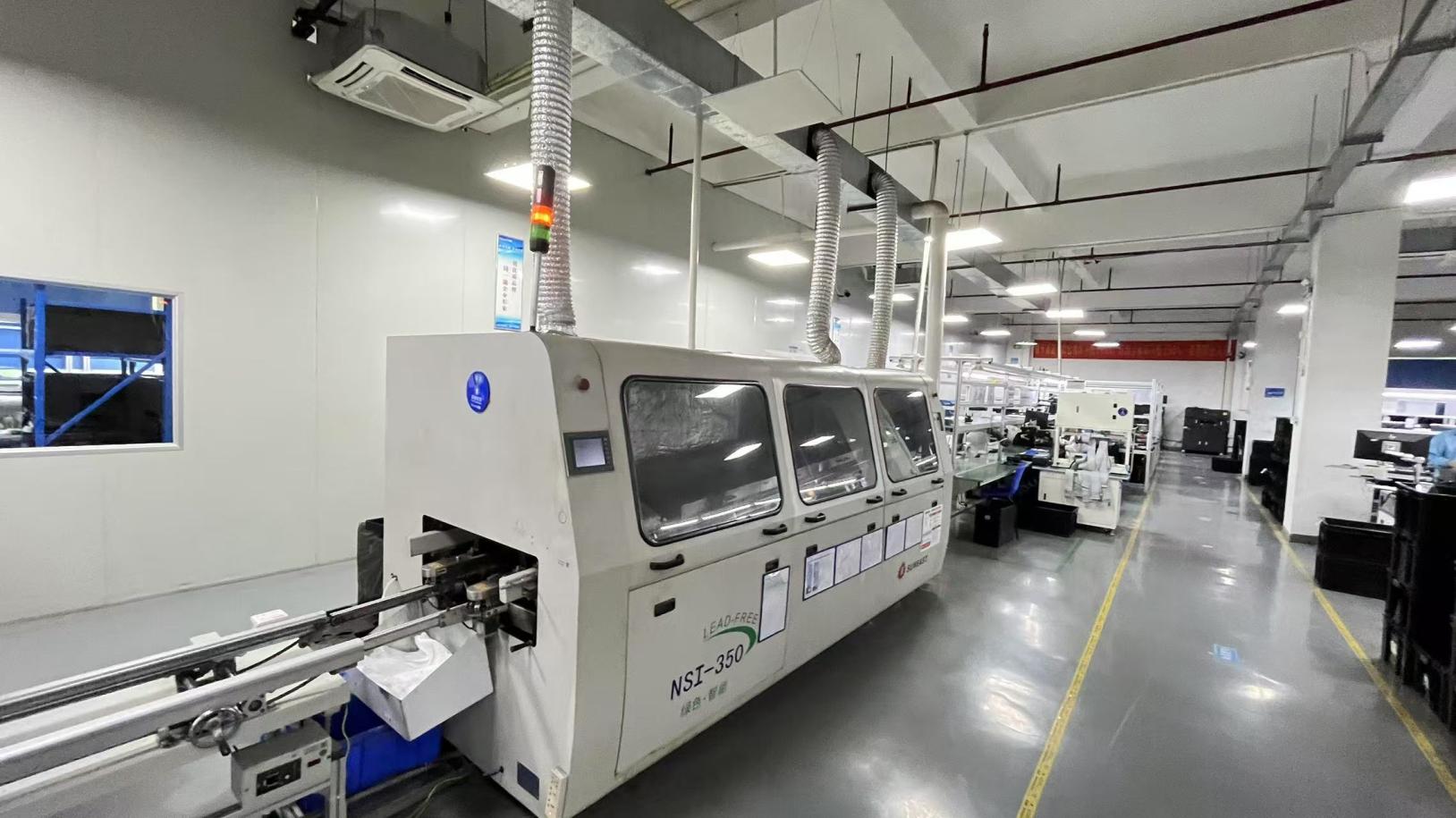


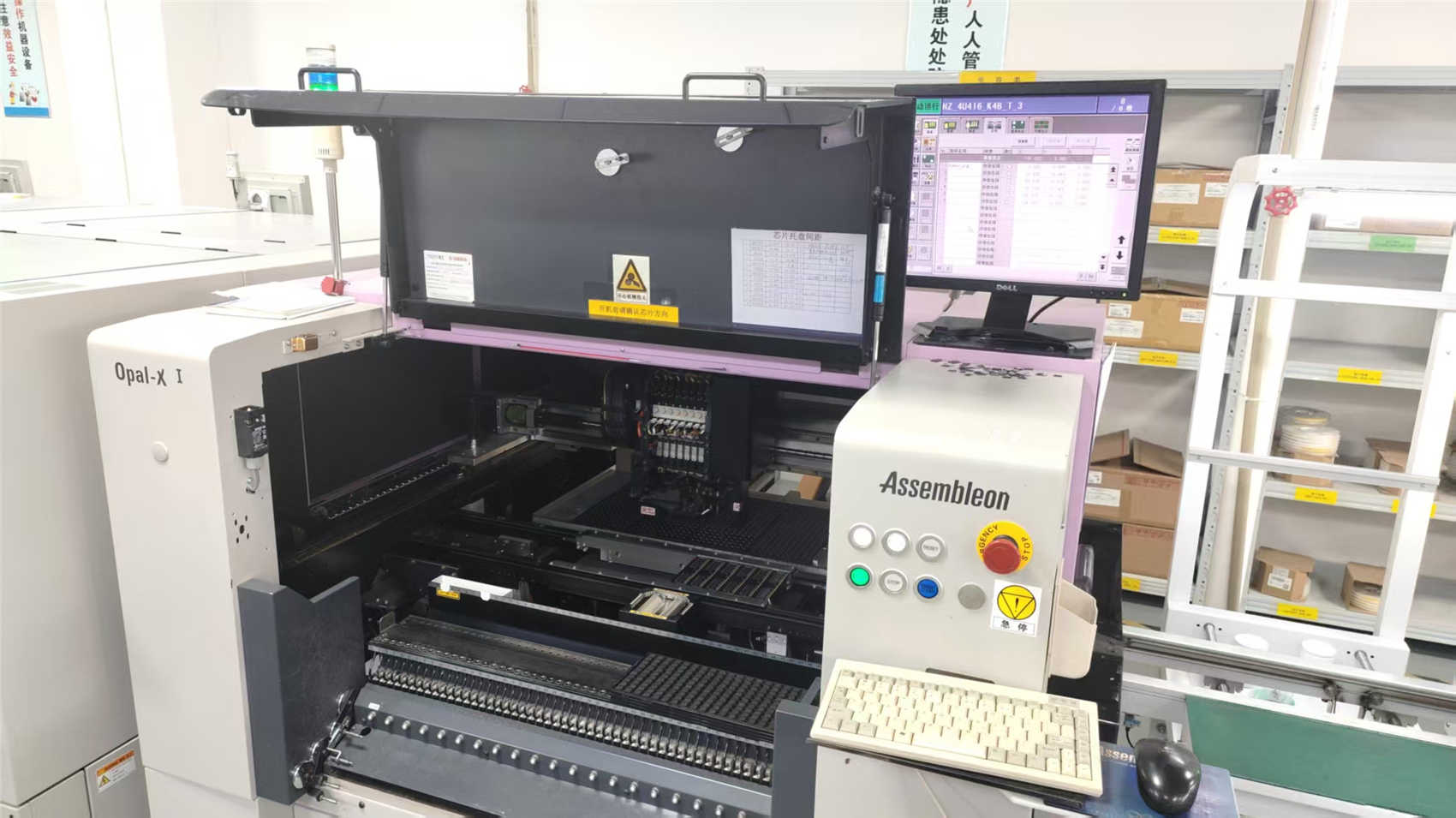
As virtualization, artificial intelligence (AI), and machine learning (ML) architectures sweep across global enterprise infrastructure, data traffic profiles have changed fundamentally. Traditional north-south data flow has been surpassed by east-west traffic, requiring rapid server-to-server interconnect speeds. In this high-density environment, the physical interface is often the bottleneck. SFP connector interfaces and cages must deliver ultra-low contact resistance, robust structural shielding against EMI, and excellent thermal dissipation pathways to prevent thermal throttling of active transceivers.
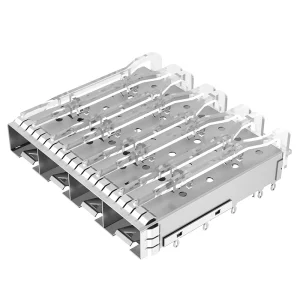
From an industrial design standpoint, modern networks rely heavily on metal-shielded SFP cages (ranging from 1x1 single-port cages to 1x4 and 2x6 stacked multi-port configurations). Key features such as press-fit (through-hole) mounting mechanisms provide the necessary physical retention for high-vibration networking switches in industrial automation, transit systems, and marine electronics. Simultaneously, EMI spring-fingers and conductive gaskets seal any potential gap in the chassis panel, protecting high-speed digital buses from emitting RF noise or being disrupted by external magnetic fields.
The application of high-performance SFP connector interfaces varies significantly based on regional industrial requirements and environmental conditions. Our technical team has optimized Zyqora connectivity products to meet these diverse localized challenges:
The roadmap for SFP connector interfaces is shaped by the constant demand for increased bandwidth density. As signal rates climb from 25Gb/s per lane using NRZ (Non-Return-to-Zero) encoding to 50Gb/s and 112Gb/s using PAM4 (Pulse Amplitude Modulation 4-level) technology, physical connector interfaces must undergo continuous engineering upgrades:
The global competitiveness of Zyqora's SFP connector solutions is built on the integrated industrial clusters of China's advanced manufacturing regions. The proximity of raw materials, precision die-casting facilities, high-frequency PCB fabricators, and automated packaging plants allows Zyqora to maintain highly competitive pricing, rapid engineering iterations, and consistent quality.
Through our vast network of 860+ supply chain partners, Zyqora manages component sourcing with extreme resilience. Even during periods of global semiconductor shortage or logistics disruptions, our localized raw material stocks and flexible component substitution strategies guarantee uninterrupted production. Our streamlined manufacturing workflow minimizes overhead costs, ensuring that every dollar invested by our clients translates directly into superior electrical and optical performance.
Quality and reliability form the foundation of our E-E-A-T (Experience, Expertise, Authoritativeness, and Trustworthiness) standards. Zyqora ensures that all international orders comply fully with environmental and product safety regulations:
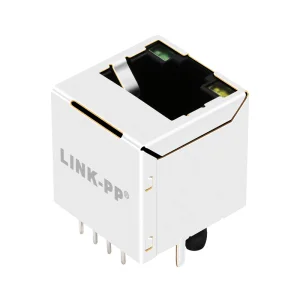
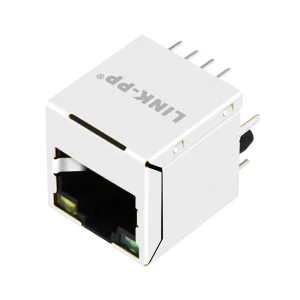
Our complete line of transceivers and connector components is certified for CE, FCC, and RoHS compliance. The raw materials used in our RJ45 plastic housings and SFP module bases carry UL 94V-0 flammability ratings, ensuring safety in demanding enterprise data networks. Additionally, to support our global network of system integrators, Zyqora provides localized technical support, remote troubleshooting, and on-site engineering consultations to resolve compatibility challenges, firm-ware customizations, and network architecture questions.
Discover our specialized optical transceivers, low-profile RJ45 jack connectors, and multi-port press-fit cages optimized for commercial and industrial applications.