Zyqora
Zyqora
Zyqora
Industrial-grade components optimized for high-density, low-latency applications.
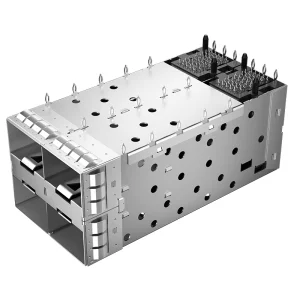
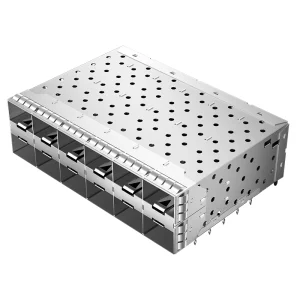
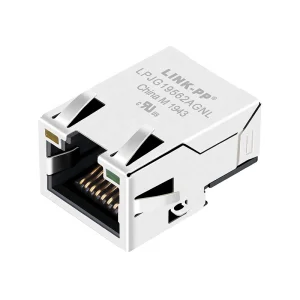
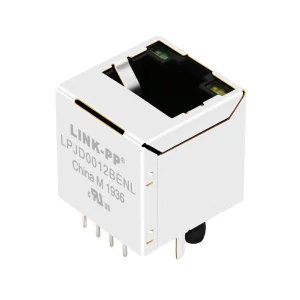
Founded in 2016, Zyqora Optical Technologies Co., Ltd. is a professional manufacturer and supplier of high-performance optical transceivers and fiber connectivity solutions for global data center, telecom, enterprise network, and cloud computing applications.
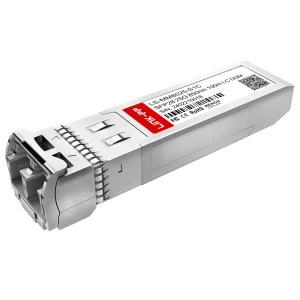
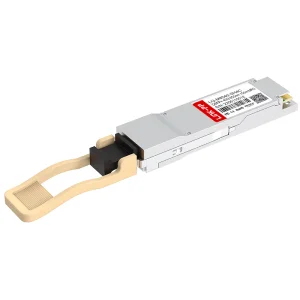
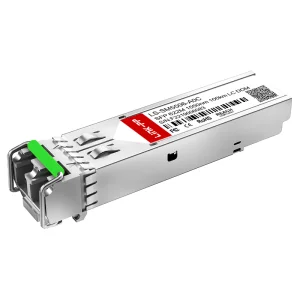
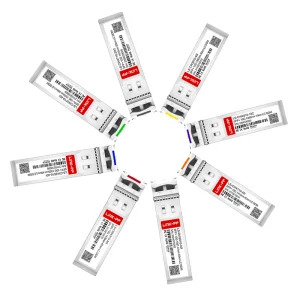
With a modern production facility covering 386 square meters, Zyqora specializes in the design, development, manufacturing, and testing of optical communication products, including SFP, SFP+, SFP28, QSFP28, QSFP-DD, OSFP, AOC, and DAC solutions. Our products are engineered to deliver reliable performance, scalability, and seamless compatibility with mainstream networking platforms.
Over the years, Zyqora has established a strong international presence, achieving annual export revenue exceeding USD 18 million. Backed by 8 years of export experience and 10 years of industry expertise, we serve customers across North America, Europe, Southeast Asia, the Middle East, and Latin America.
As a company with both manufacturing and international trading capabilities, Zyqora has built a reliable supply network with more than 860 supply chain partners, enabling efficient sourcing, stable production, and flexible delivery schedules. Our primary customers include telecom operators, data center providers, system integrators, network equipment distributors, and enterprise IT solution providers worldwide.
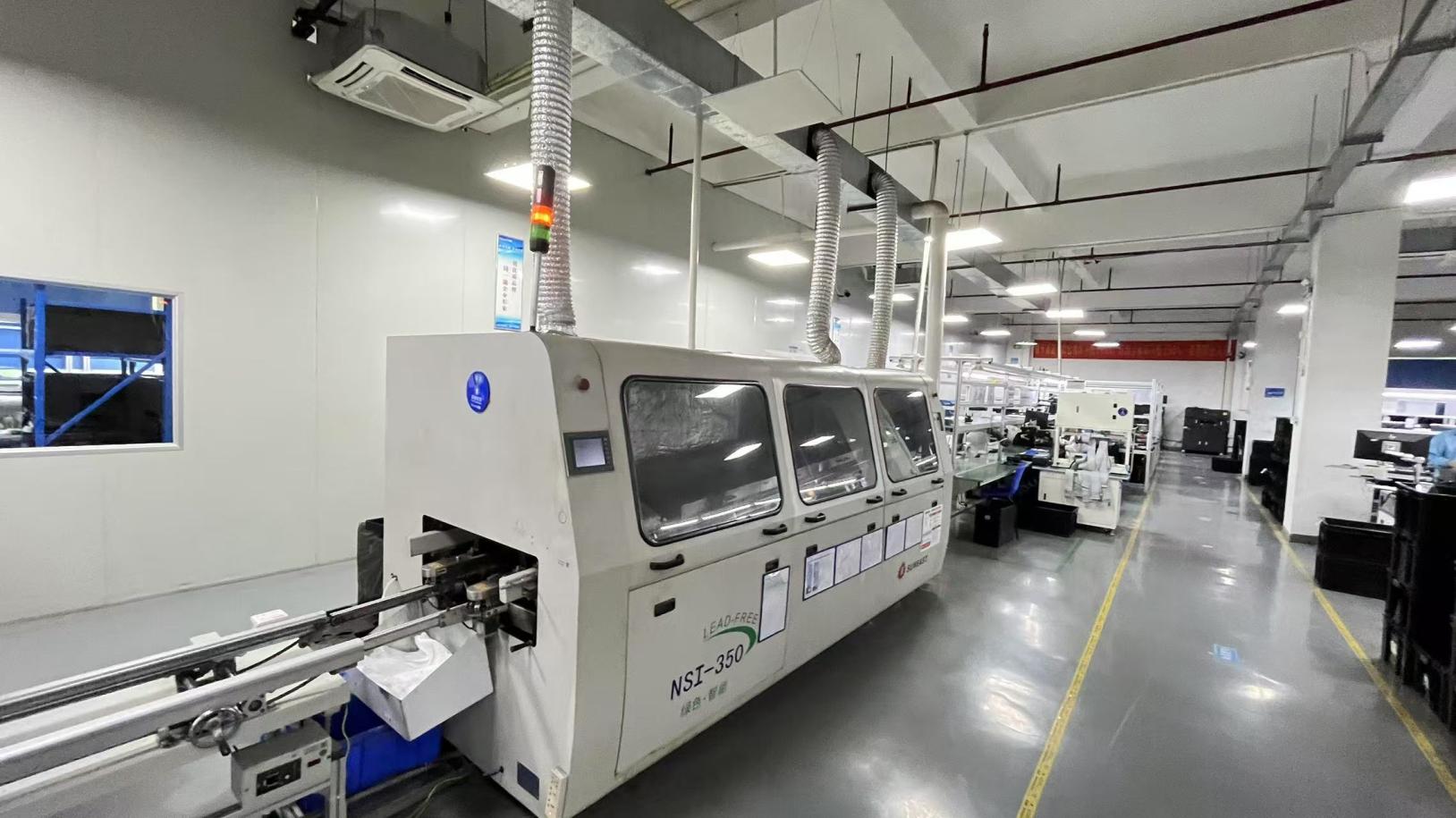
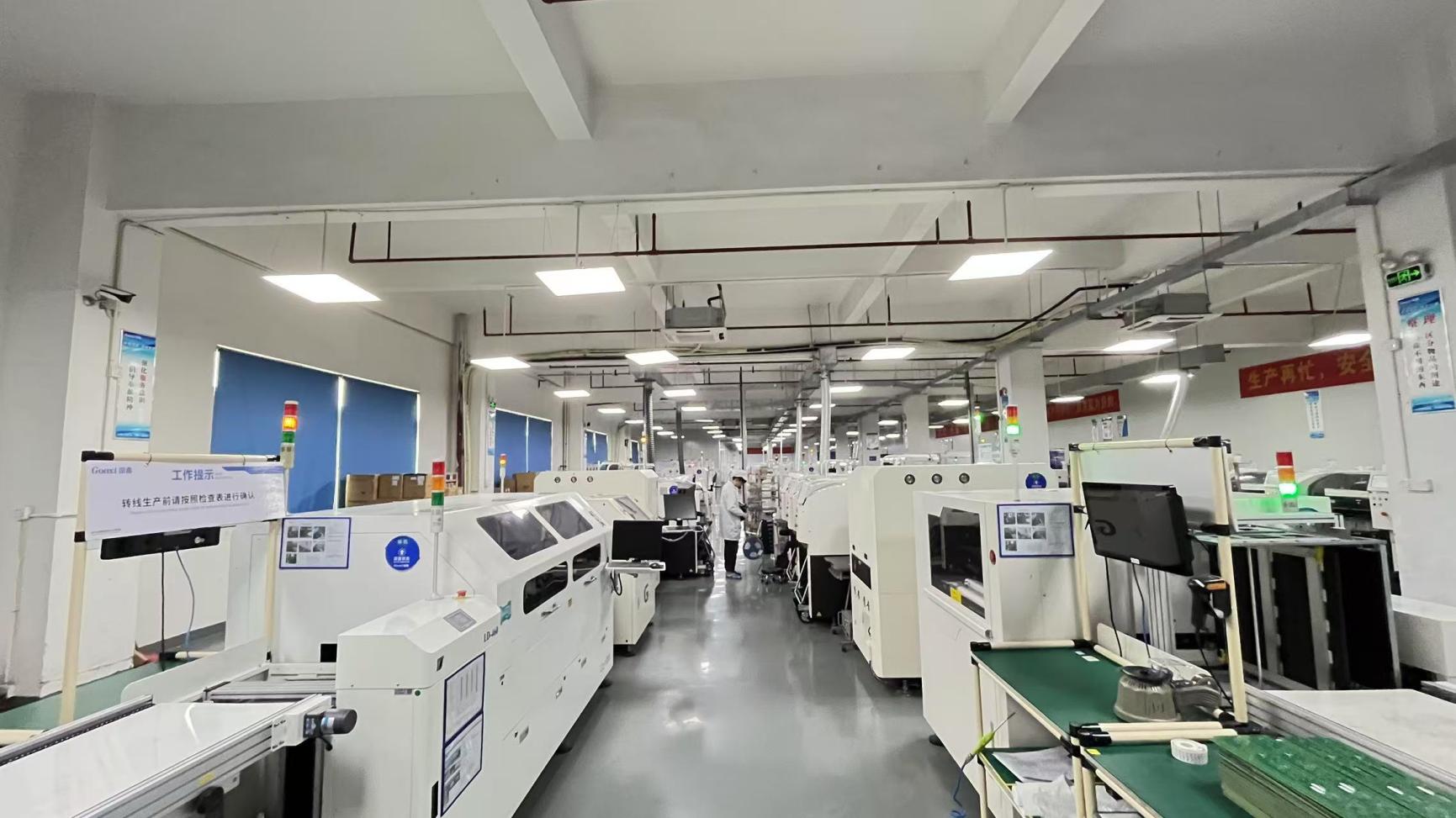
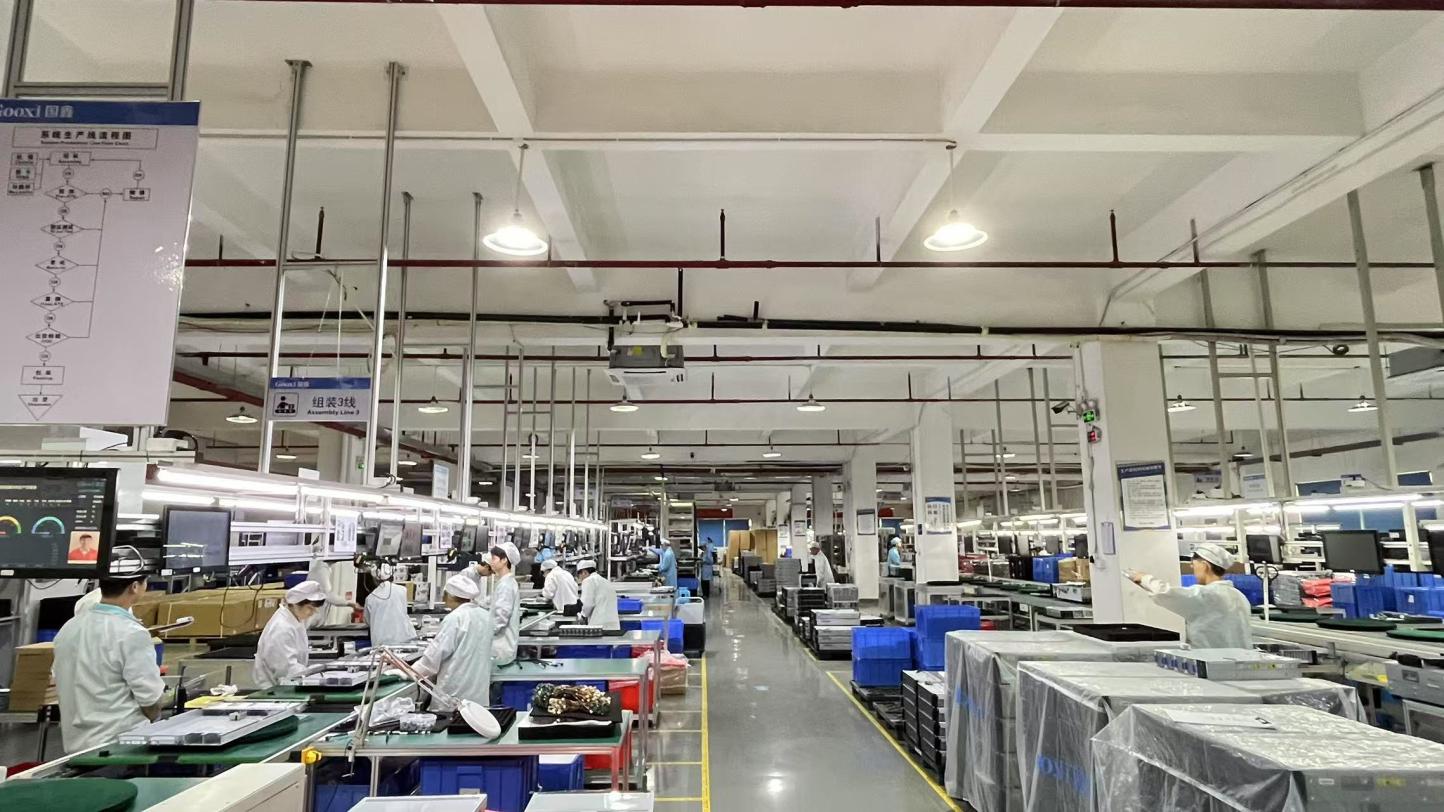
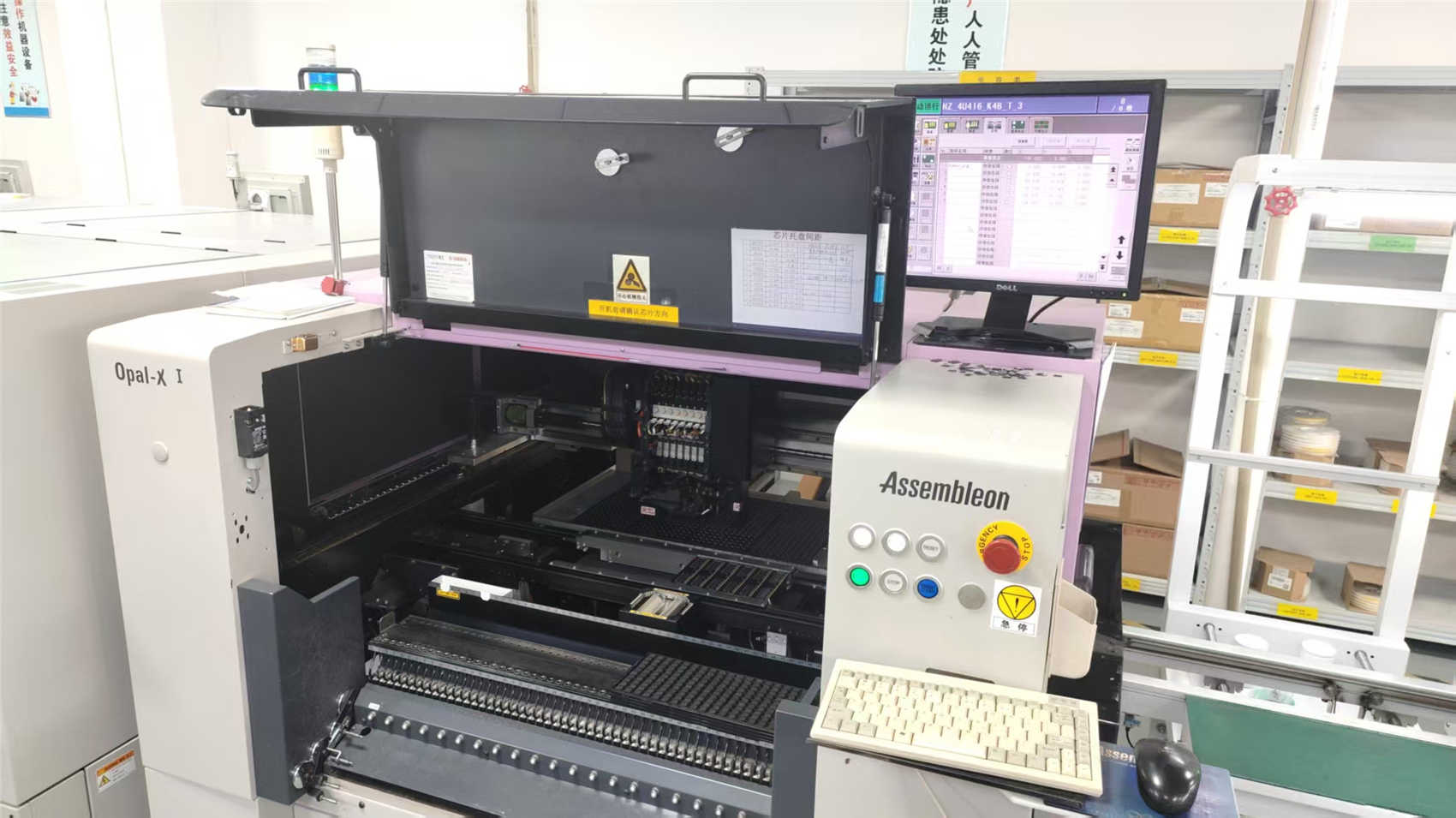
Inside Zyqora's state-of-the-art optical and Ethernet connectivity component testing facility.
An expert guide on electrical engineering parameters, standards compliance, and mechanical specifications defining modern copper patching systems.
In high-speed physical layers, copper patch cables remain the backbone of local area networks (LANs) and data center horizontal cross-connects. While fiber optics dominate long-haul transmission, copper’s cost-efficiency, plug-and-play simplicity, and compatibility with Power over Ethernet (PoE) retain its market dominance.
Understanding the limits of modern transmission media is vital. Category 5e (Cat5e) supports up to 1 Gbps at 100 MHz. Modern enterprises, however, deploy Category 6 (Cat6) and Category 6A (Cat6A) to support 10 Gbps speeds at 250 MHz and 500 MHz, respectively. High-performance computing architectures and spine-leaf networks are increasingly utilizing Category 8 (Cat8) solutions, which deliver up to 40 Gbps at a bandwidth of 2000 MHz over short channel links (up to 30 meters).
| Category Standard | Max Data Rate | Operating Frequency | Shielding Configurations | Key Applications |
|---|---|---|---|---|
| Cat 5e | 1 Gbps | 100 MHz | U/UTP | Legacy networks, residential installations |
| Cat 6 | 10 Gbps (up to 55m) | 250 MHz | U/UTP, F/UTP | Gigabit Ethernet, standard PoE deployments |
| Cat 6A | 10 Gbps (100m) | 500 MHz | U/UTP, F/UTP, S/FTP | 10GBASE-T Data centers, enterprise networks |
| Cat 8 | 40 Gbps (30m) | 2000 MHz | S/FTP, F/FTP | Top-of-Rack data center switch-to-server interconnects |
As a leading China RJ45 patch cable factory, we emphasize that raw material configuration determines physical performance. Many cheaper alternatives use Copper Clad Aluminum (CCA) to cut costs. CCA cables have high DC resistance, making them prone to signal attenuation and hazardous when handling PoE load profiles due to thermal buildup.
Our engineering standards mandate the use of 99.99% Oxygen-Free Copper (OFC) conductors. Standard patch cables employ 24 AWG or 26 AWG stranded conductors to balance flexibility and conductivity. For high-density patching environments, slim 28 AWG and 30 AWG cords are deployed, significantly improving airflow and cooling within server racks.
For B2B buyers, verifying cable performance is critical. There is a key distinction between Fluke Channel Testing and Fluke Component Testing. A "channel" test measures the entire patch cord and link path, including patch panels and wall outlets. A "component" test, on the other hand, strictly verifies the patch cord itself using specialized adapters. The component-level certification is far more rigorous, ensuring that a cord will perform up to standard in any channel layout.
Why Tier-1 telecom operators and data center infrastructure developers choose integrated Chinese factories for customized bulk manufacturing.
We provide full customization, including jacket materials (PVC, LSZH, CM, CMR, CMP ratings), length customization down to the centimeter, boot designs (snagless, molded, slim-fit), custom labeling, and direct-to-device firmware coding.
Our quality control team of 42 specialists utilizes high-precision automated testing setups. Every batch undergoes time-domain reflectometer (TDR) measurements, insertion loss evaluation, return loss verification, and optical geometric analyses.
Supported by a supply network of over 860 partners, we manage market fluctuations in raw materials (such as copper and PVC plastics). This allows us to guarantee consistent lead times and stable pricing structures for multi-year contracts.
High-grade cabling does not exist in isolation. Modern networks require specialized components to support diverse industrial and enterprise applications:
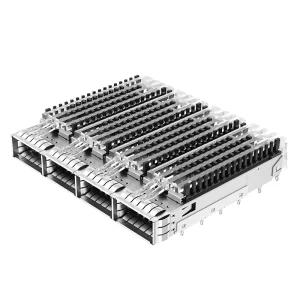
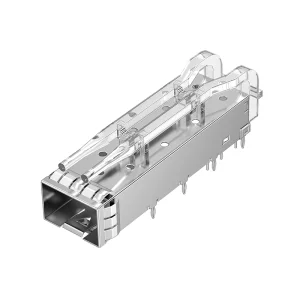
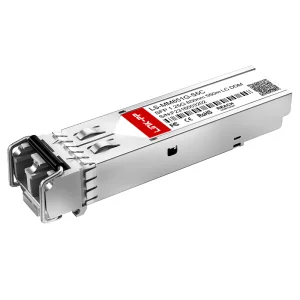
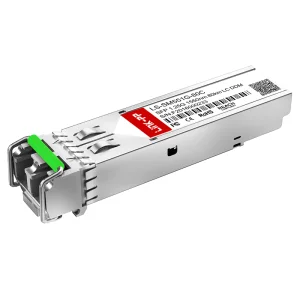
Ultra-dense cabinet layouts require low-diameter patch cables (28 AWG / 30 AWG) to maximize space inside cable managers and improve airflow. Combined with customized SFP+ cages and multi-gigabit transceivers, our components minimize packet drops and signal degradation at high operating temperatures.
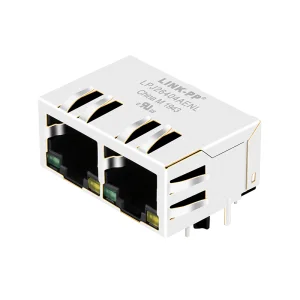
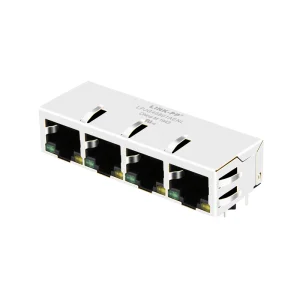
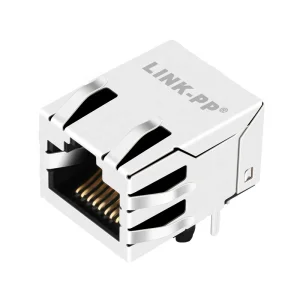
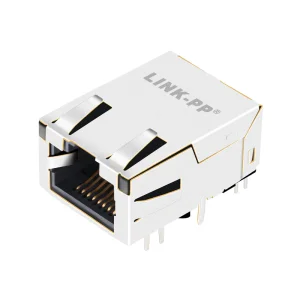
Factory floors are filled with electromagnetic interference (EMI) from heavy machinery. Our double-shielded S/FTP Cat6A RJ45 cords, featuring modular jacks with integrated magnetics, shield data packets from high-frequency noise, maintaining steady throughput.
Deploying high-power PoE (up to 90W) to PTZ cameras, Wi-Fi 6/7 access points, and smart lighting systems generates significant heat within cable bundles. Our solid-core oxygen-free copper cables feature high thermal dissipation coefficients, preventing safety hazards and performance degradation.
Last year alone, Zyqora launched 168 new products to meet next-generation optical and copper infrastructure needs. Our R&D department of 65 engineers focuses on high-speed transmission dynamics, signal integrity modeling, and long-term mechanical reliability.
How AI workloads, IoT growth, and sustainability requirements are driving innovation in copper cabling design.
SPE reduces copper infrastructure down to a single twisted pair of wires. This enables lightweight, cost-effective data transmission and power delivery (PoDL) over distances up to 1000 meters for smart buildings and automotive systems.
As AI clusters increase server rack heat loads, cable design must adapt. Modern ultra-slim patch cords reduce routing volume by up to 45%, improving exhaust path space and energy efficiency in liquid-cooled server cabinets.
B2B procurement is increasingly prioritizing environmental impact. We are expanding our production lines for halogen-free, low-smoke (LSZH) materials and bio-based plastics to help customers meet strict carbon neutrality targets.
Expert answers regarding engineering specs, order parameters, and system design.
Complete your networking infrastructure with high-reliability optical transceivers and modular connectors.