Zyqora
Zyqora
Zyqora
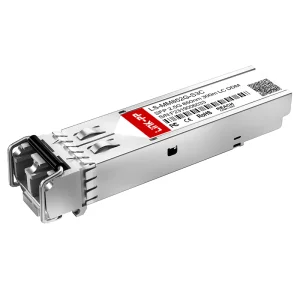
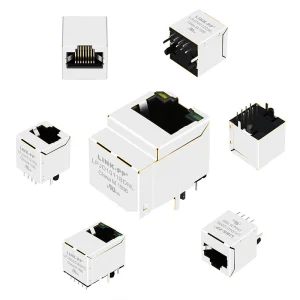
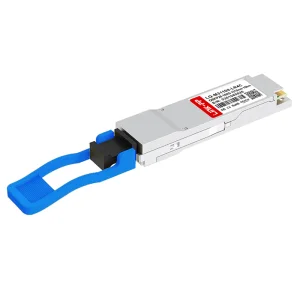
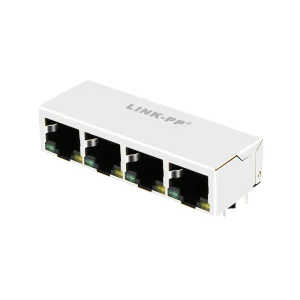
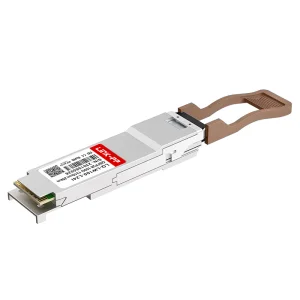
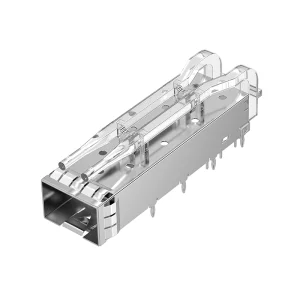
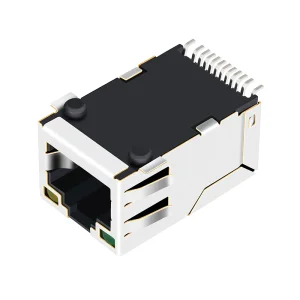
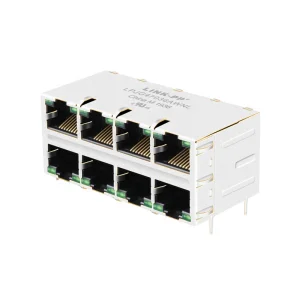
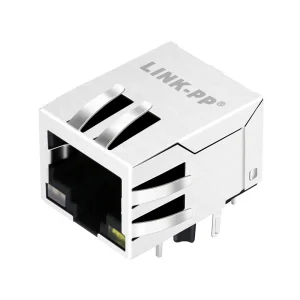
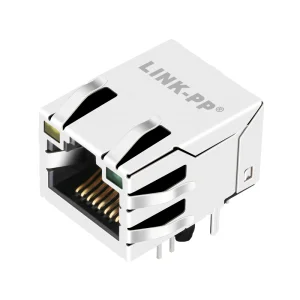
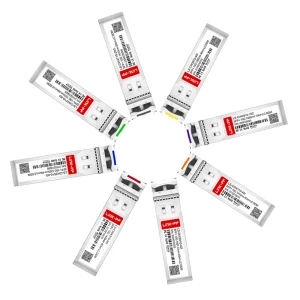
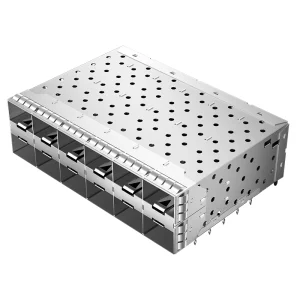
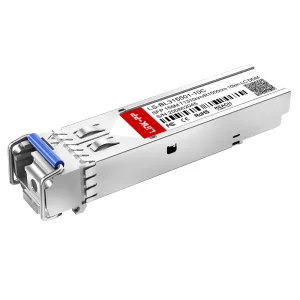
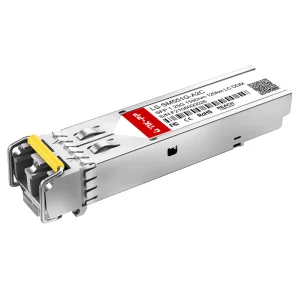
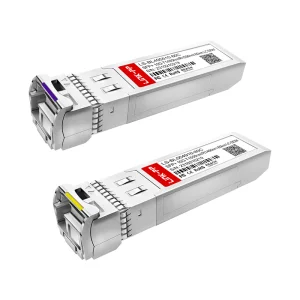
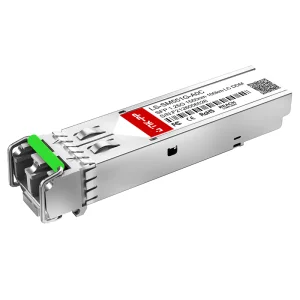
Explore our primary selection of enterprise-level optical transceivers, shielded SFP cages, and integrated RJ45 magnetic modular connectors designed for high-density networking environments.
In the field of high-speed telecommunications and structured cabling networks, physical security is just as vital as electromagnetic shielding. The RJ45 clip connector—frequently categorized as the modular plug latch or locking clip—represents the frontline defense against unexpected disconnections, signal deterioration, and packet loss. Globally, the reliance on high-density copper patches within hyper-scale data centers, automated manufacturing lines, and municipal telecom nodes has heightened the performance requirements for these small but crucial components.
As networks transition from Gigabit Ethernet to Cat6A, Cat7, and Cat8 topologies, high-frequency signals become exponentially sensitive to micro-movements inside the modular jack. A loose connector due to a broken or fatigued clip can lead to impedance mismatches, increased return loss, and intermittent contact failures. Industry research reveals that up to 35% of localized hardware network offline errors stem from physical link disconnects caused by degraded plastic latching clips. Consequently, global procurement managers are shifting away from cheap commodity plastics to specialized engineering polymers that offer high resilience and multi-bend fatigue resistance.
Modern clips use premium polycarbonate materials capable of undergoing up to 2,000 bending cycles at 180 degrees without breaking. This is essential for patch panels subjected to frequent MAC (Moves, Adds, and Changes) operations.
For industrial applications, the clip connector is integrated into nickel-plated brass or zinc alloy shielded housings to minimize alien crosstalk (ANEXT) and electromagnetic interference in high-power cabling runs.
Deployments in tight server racks rely on specialized anti-snag boots or low-profile clip designs. These prevent the locking mechanism from catching on neighboring cables during installation and maintenance extraction processes.
China is the global hub for precision structural electronics manufacturing. The integration of chemical material synthesis, automated precision tooling, high-speed progressive metal stamping, and advanced automated optical inspection (AOI) creates an unparalleled supply ecosystem. Within this landscape, Zyqora Optical Technologies Co., Ltd. utilizes these local industrial advantages to deliver high-performance optical and copper connectivity solutions to global markets.
Founded in 2016, Zyqora Optical Technologies Co., Ltd. is a professional manufacturer and supplier of high-performance optical transceivers and fiber connectivity solutions for global data center, telecom, enterprise network, and cloud computing applications.
With a modern production facility covering 386 square meters, Zyqora specializes in the design, development, manufacturing, and testing of optical communication products, including SFP, SFP+, SFP28, QSFP28, QSFP-DD, OSFP, AOC, and DAC solutions. Our products are engineered to deliver reliable performance, scalability, and seamless compatibility with mainstream networking platforms.
Over the years, Zyqora has established a strong international presence, achieving annual export revenue exceeding USD 18 million. Backed by 8 years of export experience and 10 years of industry expertise, we serve customers across North America, Europe, Southeast Asia, the Middle East, and Latin America.
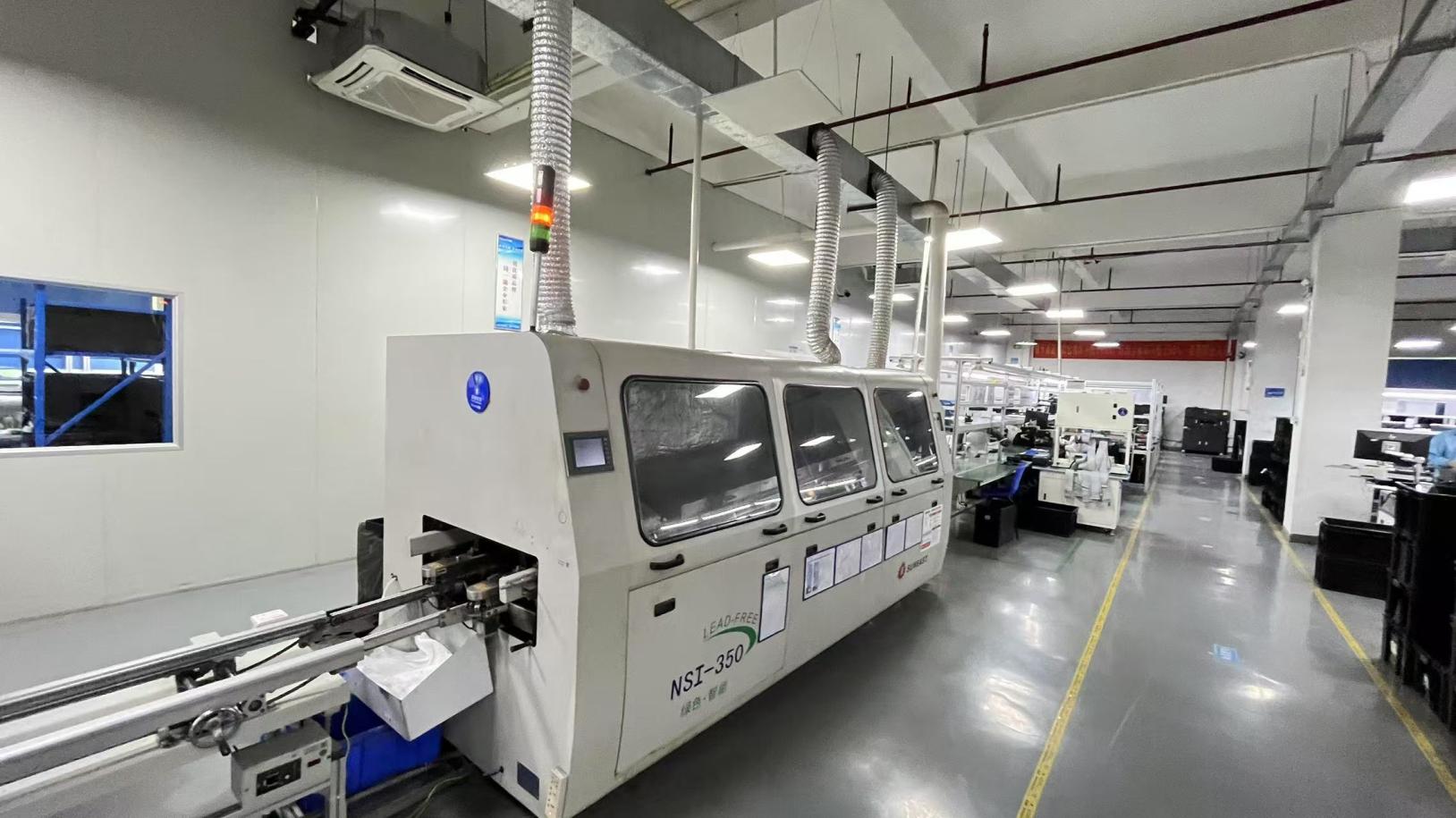
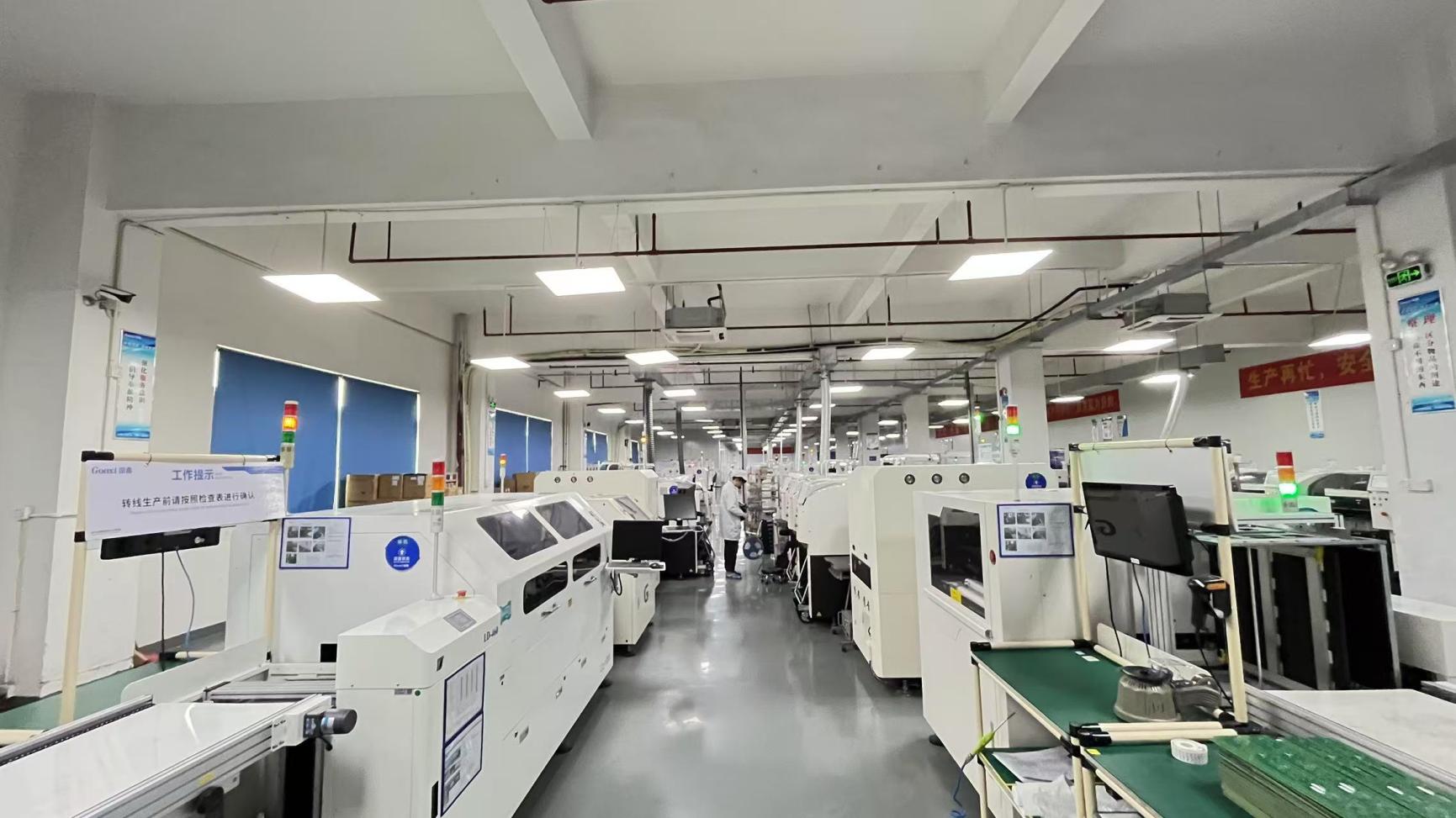

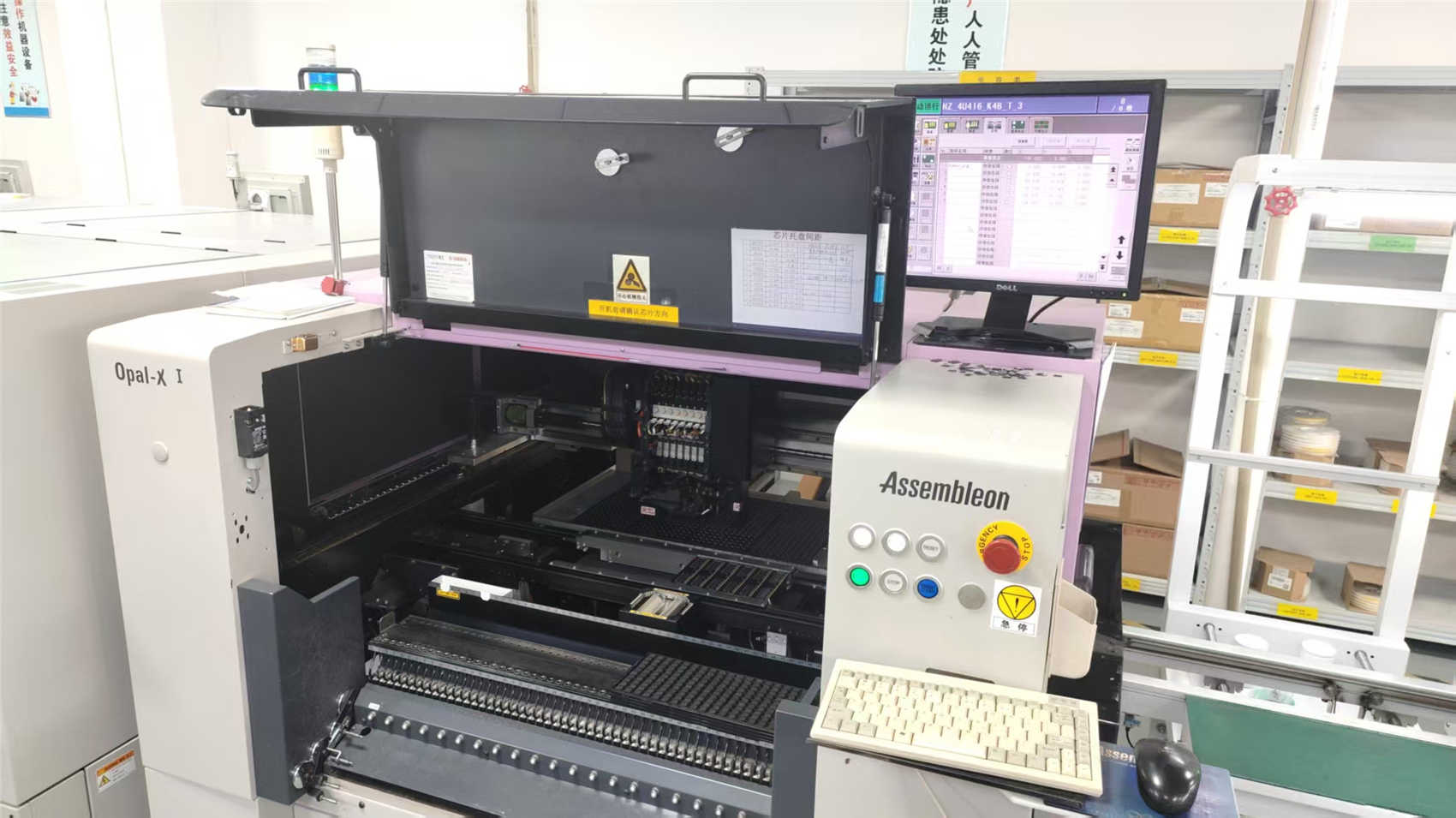
Quality is at the core of everything we do. Our manufacturing process is supported by comprehensive quality assurance procedures, including incoming material inspection, optical performance testing, aging tests, compatibility verification, and final product inspection. A dedicated team of 42 quality control professionals ensures that every product meets international standards and customer expectations.
As a company with both manufacturing and international trading capabilities, Zyqora has built a reliable supply network with more than 860 supply chain partners, enabling efficient sourcing, stable production, and flexible delivery schedules. Our primary customers include telecom operators, data center providers, system integrators, network equipment distributors, and enterprise IT solution providers worldwide. To support evolving market demands, we maintain a strong research and development team focused on innovation and product optimization.
Zyqora offers comprehensive OEM and ODM services, including customized labeling, firmware coding, packaging design, and product specification development. Last year alone, the company successfully launched 168 new products to meet the growing requirements of next-generation network infrastructures. Our R&D department consists of 65 experienced engineers specializing in optical communication technologies, high-speed transmission systems, and network interoperability solutions. Through continuous innovation and strict quality management, Zyqora remains committed to providing cost-effective, reliable, and future-ready optical networking products for customers around the world.
Modular RJ45 connectors are deployed in diverse environments, each posing distinct physical and electrical challenges. Understanding these localized application scenarios helps engineers select the optimal clip design, shielding standard, and termination style.
In modern corporate server environments, thousands of Ethernet links reside on vertical patch panels. Standard RJ45 clips can easily tangle. Anti-snag RJ45 connectors feature a protective polymer arch over the locking tab. This prevents latch damage during routing changes and maintains stable contact pressure under high operational temperatures.
Factory floors present challenges like heavy vibrations, chemical exposure, and oil mist. In these settings, standard plastic clips are prone to structural cracking. Industrial installations require die-cast shielded RJ45 plugs equipped with screw-lock or bayonet-style clip reinforcers. These designs ensure the connector remains secure under high-amplitude vibrations.
Outdoor small cells and surveillance networks must withstand extreme temperatures and UV radiation. Ordinary PVC or standard polycarbonates degrade and turn brittle when exposed to sunlight. Connectors for these installations require high-grade, UV-stabilized materials. These polymers retain clip elasticity and locking strength across temperatures ranging from -40°C to +85°C.
As transmission speeds increase, network designs are evolving to meet new requirements. Several key developments are shaping the future of industrial RJ45 connect interfaces:
Modern PoE standards deliver up to 90W-100W of electrical power alongside data packets. Unplugging a connector under load can create a small electrical arc between the RJ45 pins and the jack contacts. Future connector designs feature optimized contact shapes and specialized clip offsets. These align the mating surfaces to isolate potential arc damage away from the primary data transmission contact points.
Global environmental regulations, such as RoHS and REACH, are driving a transition toward halogen-free, recyclable engineering thermoplastics. Leading manufacturers are adopting bio-based polycarbonates. These materials maintain high flexural modulus and tensile strength while significantly reducing carbon emissions during production.
Select from our highly stable modular components, replacement shielded cages, and long-wavelength SFP optical modules to secure and optimize your optical-to-copper network transition layers.
A comprehensive guide for network administrators, quality assurance engineers, and supply chain managers.
High-performance RJ45 locking clips are made from high-grade Polycarbonate (PC) resin. Unlike standard plastics, engineering-grade PC retains its flexural strength and elasticity under environmental stress. For harsh environments, manufacturers incorporate additives to resist UV light and extreme temperatures.
Gold plating thickness is crucial for preventing contact oxidation and signal loss. Industry standards range from 3 micro-inches (3u") for general residential use, up to 50 micro-inches (50u") for industrial and data center applications. Thicker gold plating supports more mating cycles and ensures reliable low contact resistance.
Shielded (STP) connectors feature a metal casing, typically made of brass or copper alloy, that wraps around the plastic housing to ground external electromagnetic interference (EMI). Unshielded (UTP) connectors rely solely on twisted pair geometry to mitigate crosstalk and are best suited for areas with minimal EMI.
Yes, integrated magnetic jacks (often called Magjacks) combine the physical RJ45 port with the electrical filters and transformers needed to match impedance and block DC offsets. This integrated design saves board space, reduces electromagnetic noise, and simplifies PCB layouts.
An anti-snag boot features a plastic tab or hood that covers the connector's locking clip. It prevents the clip from catching on adjacent wires during network reconfiguration. This design saves installation time and protects the clip from bending backwards or snapping.
Industrial factories use physical testing rigs to verify quality. Connectors undergo tension tests, gold-layer thickness checks using X-ray fluorescence, and insertion/extraction tests. The locking clip itself must withstand a specified pull force without releasing or breaking.
Zyqora tests compatibility in a dedicated testing lab. Our engineers verify product performance on various hardware platforms, custom-coding the firmware when necessary. This process ensures plug-and-play compatibility across a wide range of enterprise switches, routers, and host adapters.