Zyqora
Zyqora
Zyqora
As the Sultanate of Oman advances its digital economy under the Oman Vision 2040 initiative, the demand for robust, high-performance optical transceiver solutions is surging. Telecommunications operators such as Omantel, Ooredoo, and Vodafone Oman, along with large-scale industrial projects in the Special Economic Zone at Duqm (SEZAD), are actively modernizing their network backbones.
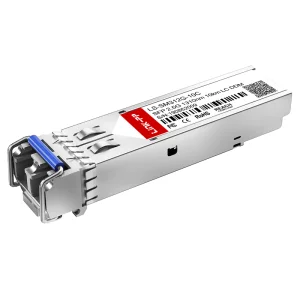
Operating between legacy 1G and next-generation 10G topologies, 2.5G to 6G SFP (Small Form-factor Pluggable) modules represent the critical technical bridge for modern optical transport networks (OTN). They serve as the backbone for high-speed fiber-to-the-home (FTTH) expansion, base station CPRI/eCPRI interfaces for 4G LTE/5G network densification, and localized industrial ethernet nodes.
However, the Gulf Cooperation Council (GCC) region presents unique operational challenges. Ambient temperatures exceeding 50°C during summer, high coastal humidity, and atmospheric fine-dust ingress demand transceivers that are not merely functional, but ruggedly engineered. This technical analysis explores the application parameters, commercial requirements, and optimal deployment models for 2.5G~6G SFP transceivers across the Omani industrial landscape.
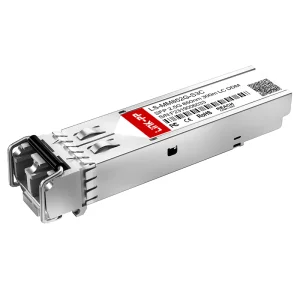
These high-demand duplex and simplex optical modules are optimized for immediate integration into Omantel and Ooredoo infrastructure, ensuring compliance with local TRA regulatory frameworks.
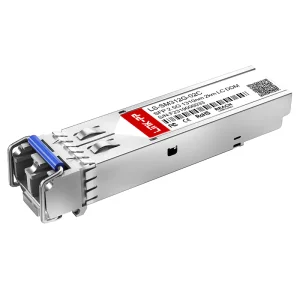
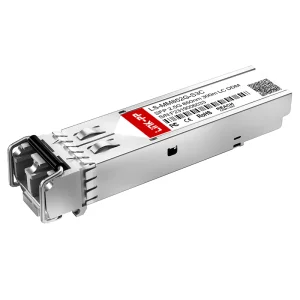
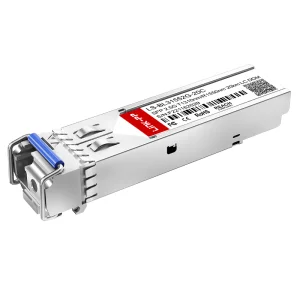
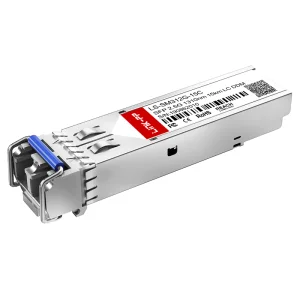
Omani utilities and oil operations (PDO, OQ) require fiber modules capable of surviving field installations in high-heat desert enclosures. Standard commercial-grade modules degrade rapidly under temperatures above 70°C. Standardizing on Industrial Temperature (I-temp) modules operating from -40°C to +85°C is essential for avoiding packet dropouts and premature system failure.
To achieve high-density coverage in Muscat, Salalah, and Sohar, Omani carriers rely heavily on distributed antenna architectures. Optical modules operating at 3G, 4.9G, and 6.14G line rates are the lifeblood of CPRI (Common Public Radio Interface) protocols, routing baseband signals from central units to remote radio heads (RRH).
The expansion of the National Broadband Strategy managed by Oman Broadband requires robust transceivers capable of handling asymmetric gigabit-passive optical network (GPON) uplinks. Deploying 2.5G SFP transceivers on switches and optical line terminals (OLT) increases residential bandwidth capacity cost-effectively.
Industrial installations in critical regions like the Port of Salalah or the oil reserves in the interior desert of Oman present challenging environment parameters. Optical transceivers face accelerated ageing due to thermal cycling, dust collection, and ambient salinity.
Zyqora addresses these constraints through rigorous manufacturing processes. Our SFP modules feature thick gold-plated pins to prevent oxidation from humid, salty coastal air. Additionally, they incorporate integrated Digital Diagnostic Monitoring (DDM/DOM).
This technology allows network operations centers (NOC) in Muscat to remotely monitor vital statistics—such as laser bias current, optical output power, receiver sensitivity, operating temperature, and voltage fluctuations—in real-time. By implementing proactive monitoring, Omani network administrators can identify and replace deteriorating channels before complete connection failures occur.

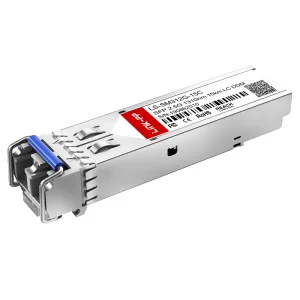
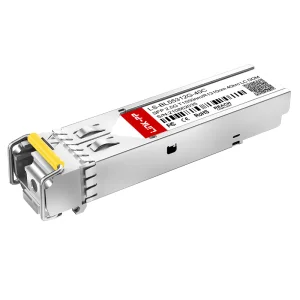
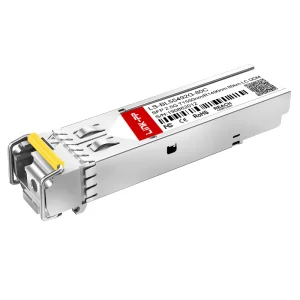
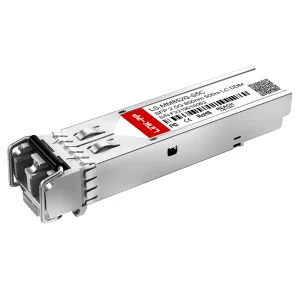
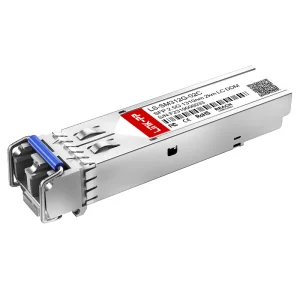
From 2.5G to 6G line-rates, discover our core selection of BiDi, Single Mode, and Multi-mode transceivers engineered to industry-leading MSA standards.
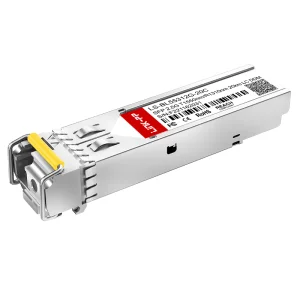
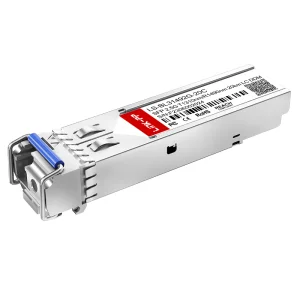
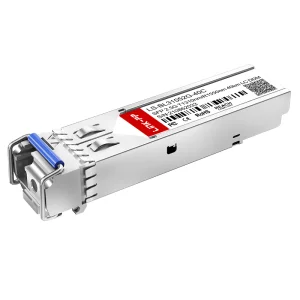
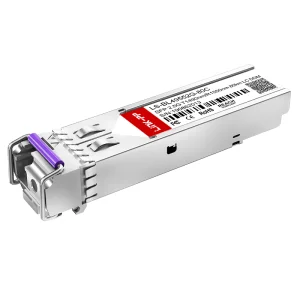
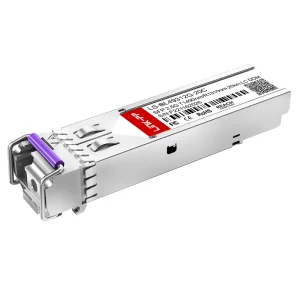
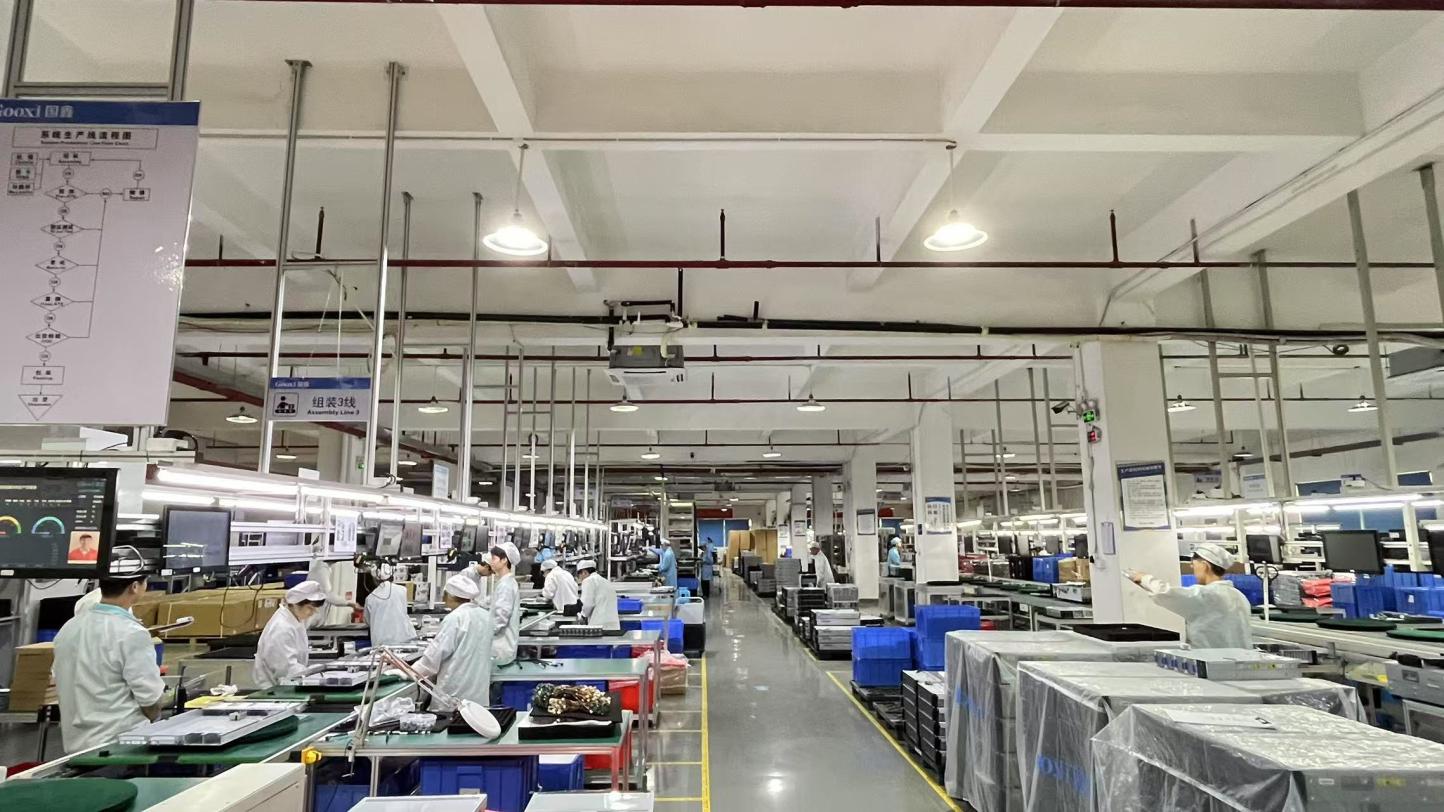
Founded in 2016, Zyqora Optical Technologies Co., Ltd. is a professional manufacturer and supplier of high-performance optical transceivers and fiber connectivity solutions for global data center, telecom, enterprise network, and cloud computing applications. Over the years, Zyqora has established a strong international presence, achieving annual export revenue exceeding USD 18 million. Backed by 8 years of export experience and 10 years of industry expertise, we serve customers across North America, Europe, Southeast Asia, the Middle East, and Latin America.
With a modern production facility covering 386 square meters, Zyqora specializes in the design, development, manufacturing, and testing of optical communication products, including SFP, SFP+, SFP28, QSFP28, QSFP-DD, OSFP, AOC, and DAC solutions. Our products are engineered to deliver reliable performance, scalability, and seamless compatibility with mainstream networking platforms such as Cisco, Juniper, Huawei, HP, and Mikrotik.
Quality is at the core of everything we do. Our manufacturing process is supported by comprehensive quality assurance procedures, including incoming material inspection, optical performance testing, aging tests, compatibility verification, and final product inspection. A dedicated team of 42 quality control professionals ensures that every product meets international standards and customer expectations.
As a company with both manufacturing and international trading capabilities, Zyqora has built a reliable supply network with more than 860 supply chain partners, enabling efficient sourcing, stable production, and flexible delivery schedules. Our primary customers include telecom operators, data center providers, system integrators, network equipment distributors, and enterprise IT solution providers worldwide.
To support evolving market demands, we maintain a strong research and development team focused on innovation and product optimization. Zyqora offers comprehensive OEM and ODM services, including customized labeling, firmware coding (for multi-vendor switch compatibility), packaging design, and product specification development. Last year alone, the company successfully launched 168 new products to meet the growing requirements of next-generation network infrastructures.
Our R&D department consists of 65 experienced engineers specializing in optical communication technologies, high-speed transmission systems, and network interoperability solutions. Through continuous innovation and strict quality management, Zyqora remains committed to providing cost-effective, reliable, and future-ready optical networking products for customers around the world.
International trade routes into the Middle East require deep coordination with established shipping networks. Zyqora provides streamlined logistics support to Muscat International Airport (MCT) and the Port of Sohar, reducing transit times and customs backlogs.
Oman's Telecommunications Regulatory Authority (TRA) maintains strict compliance guidelines for telecommunications equipment. To simplify local custom clearances, Zyqora pre-codes transceivers to comply with target host architectures (including Cisco, Juniper, Nokia, and Huawei) and formats the product labels with compliant serial numbers, country of origin, and manufacturer signatures.
Leveraging our 8 years of export history, we coordinate directly with Omani shipping agents. We issue all essential documentation, such as Certificates of Origin (CO), detailed Commercial Invoices, and itemized Packing Lists, to minimize delays at key entry points like Muscat International Airport or the Port of Sohar.
To prevent damage from mechanical shocks, electrostatic discharges, and atmospheric dust during transit, Zyqora ships all optical transceivers in protective, anti-static plastic clamshell blisters, sealed in heavy corrugated cardboard boxes.
While 2.5G and 6G SFP modules remain workhorses for FTTH OLT ports, enterprise LAN networks, and CPRI wireless base station interfaces, Omani operators are planning transitions to higher optical line rates. Deploying modules with flexible Multi-Rate support (1G/2.5G/5G/10G) provides simple upgrade paths.
When network capacity needs to scale, engineers can increase speeds through remote software commands rather than executing expensive hardware replacements in the field. This capability lowers total cost of ownership (TCO) and extends the useful lifespan of existing fiber layouts.
Zyqora continues to invest in high-speed optical R&D. We offer product pathways up to 100G, 400G, and 800G, allowing Omani enterprise networks and data centers to scale smoothly when migrating from legacy infrastructure.
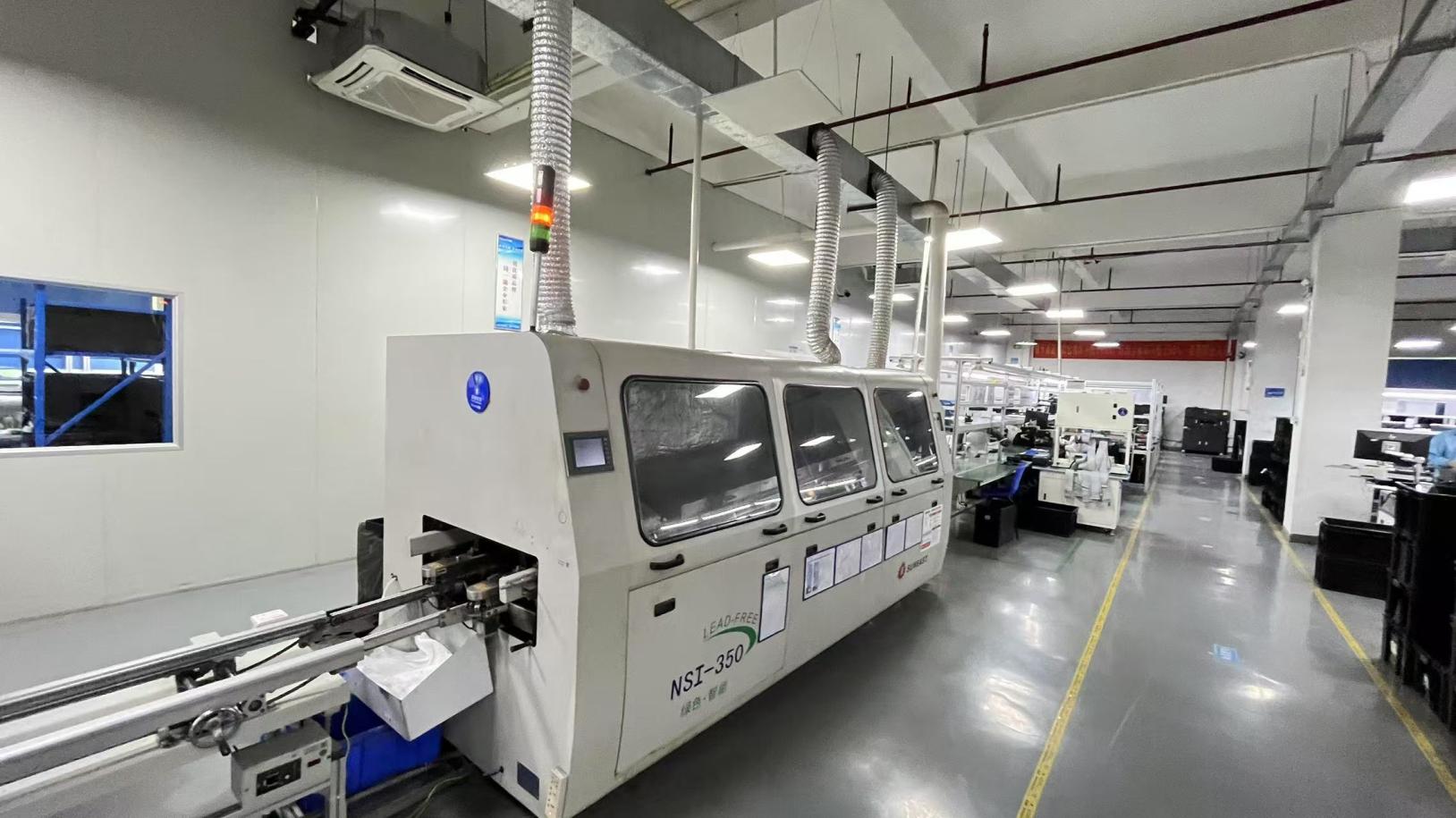
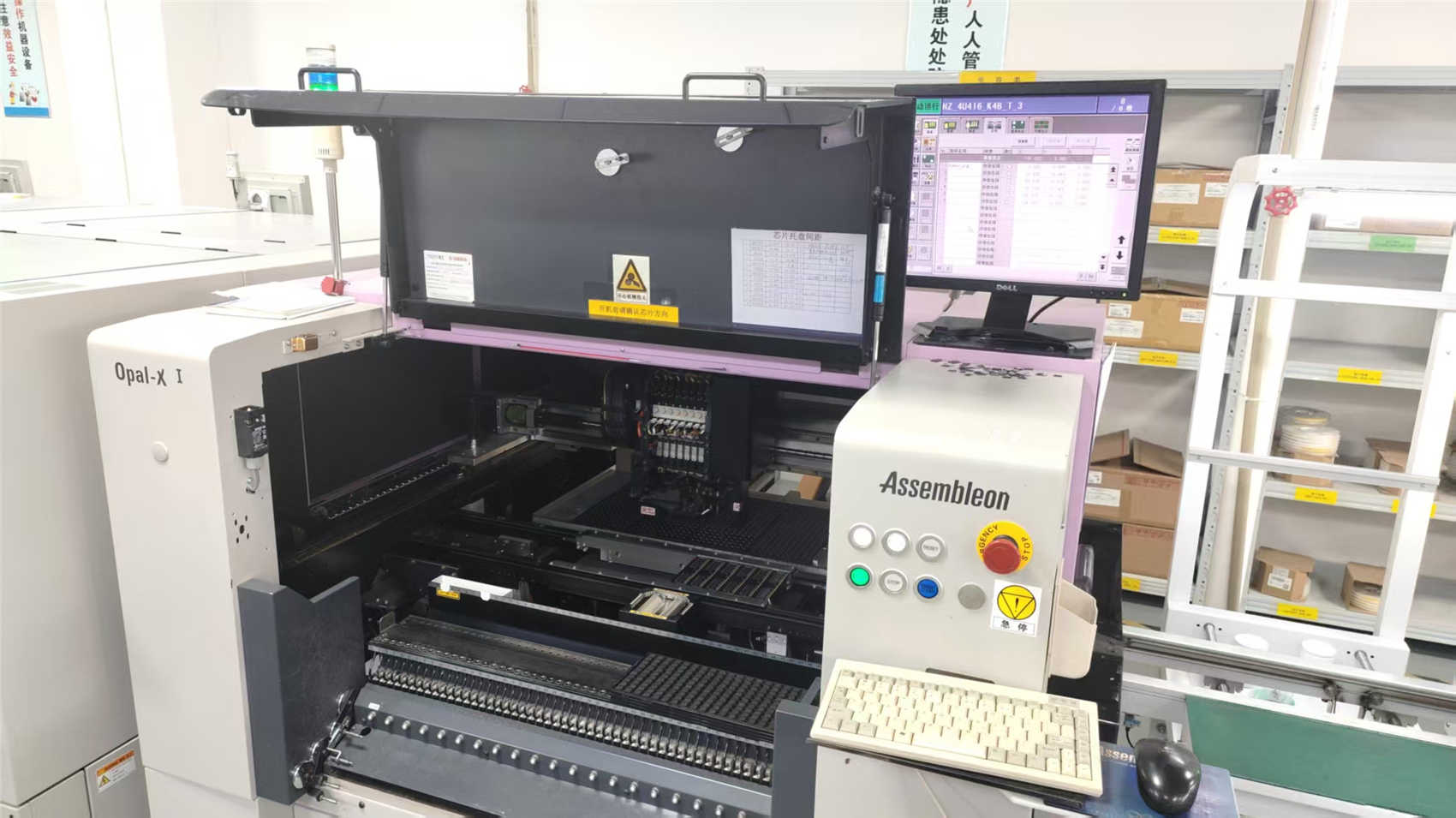
Each SFP module batch undergoes coding and software testing at our automated facility, verifying the firmware against the EEPROM maps of mainstream network vendors. We load vendor-specific compatibility profiles (Cisco, Juniper, Huawei, HP, Mikrotik) directly onto the transceivers before packaging, ensuring seamless plug-and-play operation.
Standard commercial-grade modules operate within a limited 0°C to 70°C range. In Oman's outdoor cabinets and remote industrial stations, internal temperatures can easily exceed 75°C. Zyqora's industrial-grade SFP modules are designed to run from -40°C to +85°C, ensuring reliable performance in harsh conditions.
For standard inventory items, processing and quality assurance dispatch take 3-5 working days. Air freight delivery to Muscat International Airport (MCT) typically arrives within 5 to 7 business days, while ocean freight routes to the Port of Sohar run on 18 to 25-day schedules.
Yes. We provide complete OEM/ODM services, including custom laser etching on transceiver shells, customized package layouts, and customized software configuration files to meet local distribution requirements.
Connect with Zyqora's technical support team today. Request custom optical module samples, compatibility coding reports, and volume pricing sheets tailored to the Omani telecom and enterprise sectors.