Zyqora
Zyqora
Zyqora
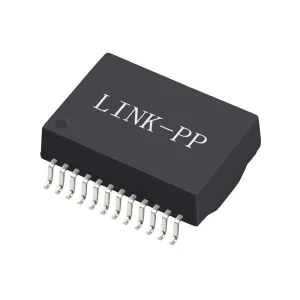
Explore our leading integrated magnetic jacks, copper interconnects, and optical modules engineered for high-density environments.
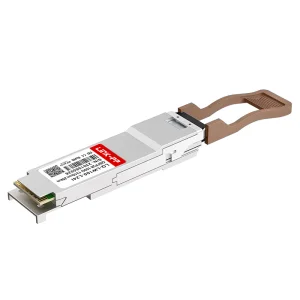
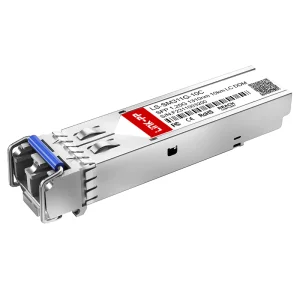
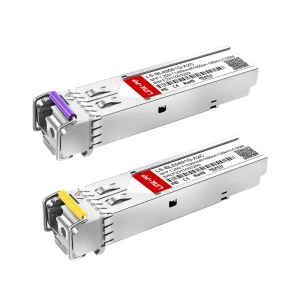
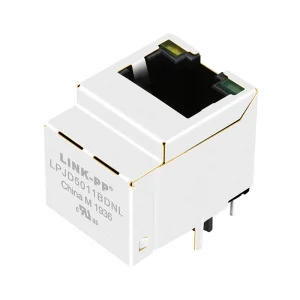
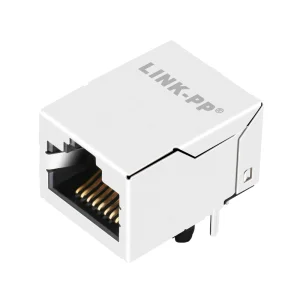
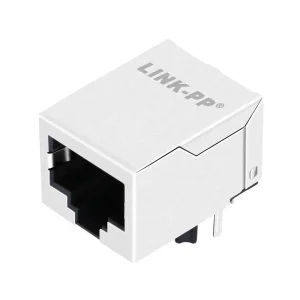
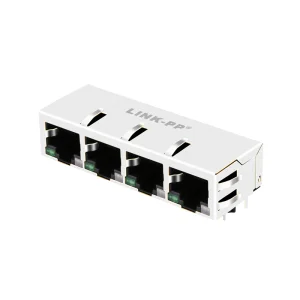
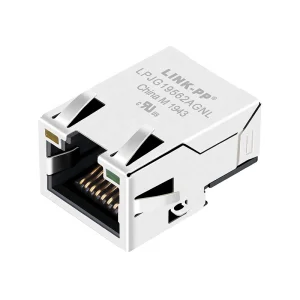
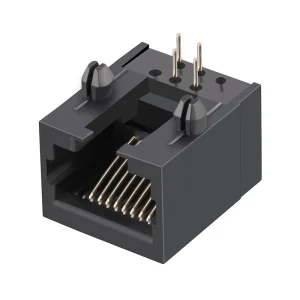
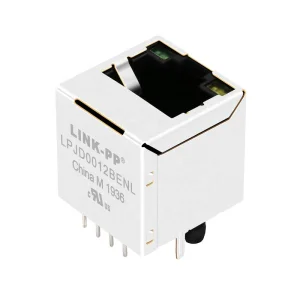
In the era of hyper-scale cloud computing, high-performance edge computing, and Internet of Things (IoT) deployments, the demand for bandwidth efficiency and component miniaturization has skyrocketed. The High-Density RJ45 Connector stands at the intersection of copper Ethernet evolution and architectural spacesaving. Far from being a simple passive component, modern high-density connectors incorporate built-in magnetic isolation, advanced shielding capabilities, and thermal dissipation systems that keep multi-gigabit networks running smoothly under intense operational loads.
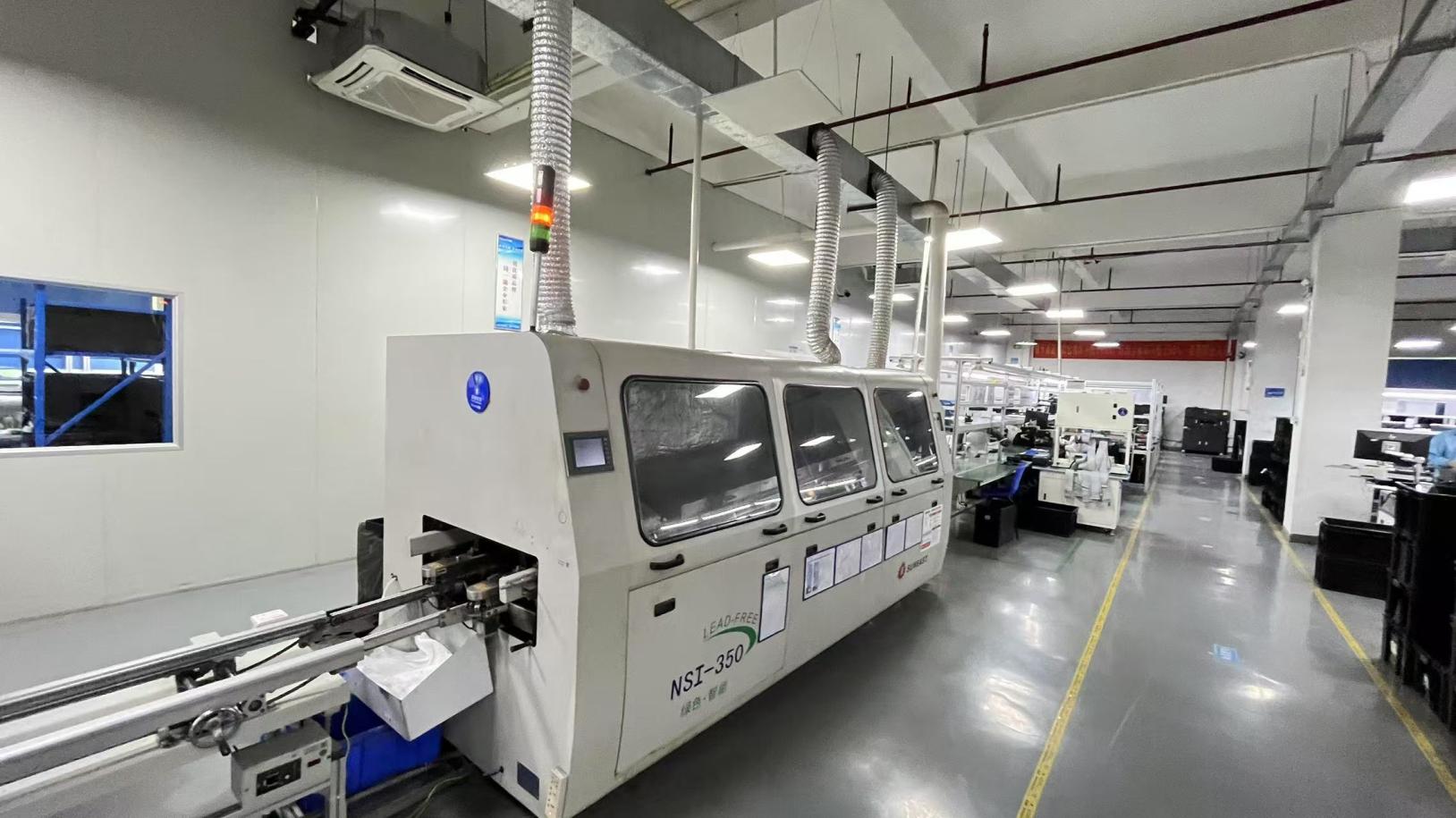
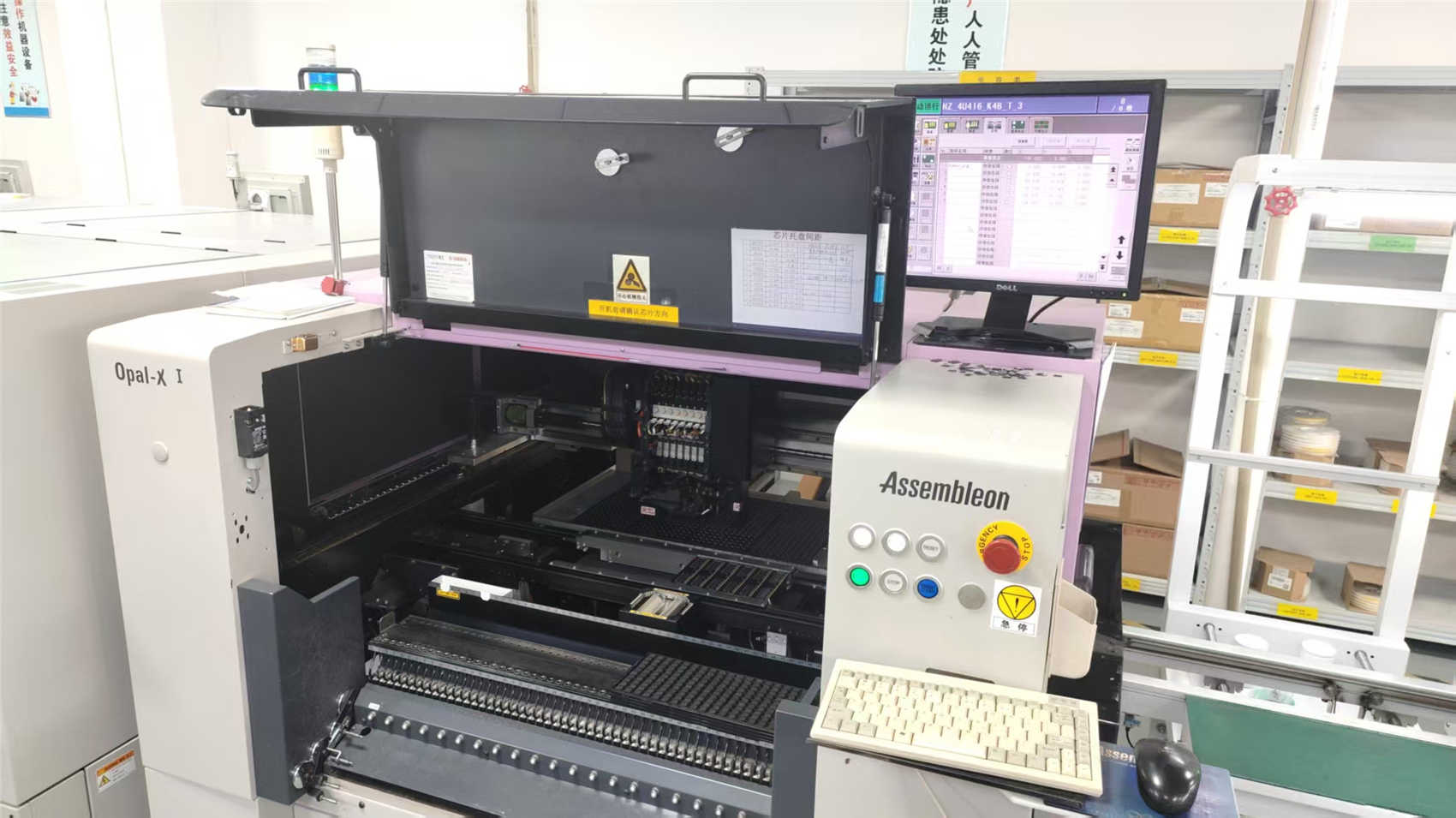
As transmission frequencies reach the gigahertz range (Cat6a, Cat7, and Cat8 specs), signal integrity issues such as Near-End Crosstalk (NEXT), Far-End Crosstalk (FEXT), and electromagnetic interference (EMI) become increasingly difficult to control. High-density connector factories must combine precision mechanical engineering, computational electromagnetics, and highly automated production lines to deliver interconnects that maintain reliable performance across millions of insertion cycles.
B2B procurement teams must look past price points to analyze structural quality, supply reliability, and technological capabilities.
Premium manufacturers implement 360-degree tin-plated brass shielding with multiple grounding tabs (EMI fingers) to secure low-impedance grounding paths, preventing EMI leaks and external signal ingress.
Top factories verify mechanical resilience through robotic cycle testing, requiring at least 750 mating cycles without signal degradation, ensured by a minimum of 30μ" to 50μ" gold plating on contacts.
Advanced suppliers build magnetic components that support Multi-Gigabit speeds (2.5G, 5G, and 10G Base-T) while offering 1500V AC isolation protection to keep internal network chips safe from power surges.
Compliance with global standards like ISO9001, UL safety certifications, and RoHS/REACH environmental compliance indicates a trustworthy and safe manufacturing environment.
The capacity to provide tailored LED configurations, integrated light pipes, customized pin assignments, and varied SMT/Through-hole configurations to fit unique PCB design limitations.
Strong raw-material sourcing, a wide network of supply chain partners, and raw inventory reserves help manufacturers mitigate global logistical disruptions and maintain fast delivery.
Bridging Optical Transceiver Excellence and Advanced Connectivity Solutions Since 2016.
Founded in 2016, Zyqora Optical Technologies Co., Ltd. is a professional manufacturer and supplier of high-performance optical transceivers and fiber connectivity solutions for global data center, telecom, enterprise network, and cloud computing applications.
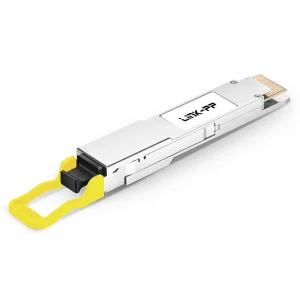
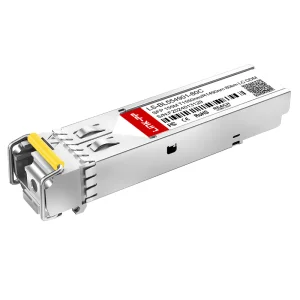
With a modern production facility covering 386 square meters, Zyqora specializes in the design, development, manufacturing, and testing of optical communication products, including SFP, SFP+, SFP28, QSFP28, QSFP-DD, OSFP, AOC, and DAC solutions. Our products are engineered to deliver reliable performance, scalability, and seamless compatibility with mainstream networking platforms.
Over the years, Zyqora has established a strong international presence, achieving annual export revenue exceeding USD 18 million. Backed by 8 years of export experience and 10 years of industry expertise, we serve customers across North America, Europe, Southeast Asia, the Middle East, and Latin America.
Quality is at the core of everything we do. Our manufacturing process is supported by comprehensive quality assurance procedures, including incoming material inspection, optical performance testing, aging tests, compatibility verification, and final product inspection. A dedicated team of 42 quality control professionals ensures that every product meets international standards and customer expectations.
As a company with both manufacturing and international trading capabilities, Zyqora has built a reliable supply network with more than 860 supply chain partners, enabling efficient sourcing, stable production, and flexible delivery schedules.
Our primary customers include telecom operators, data center providers, system integrators, network equipment distributors, and enterprise IT solution providers worldwide. To support evolving market demands, we maintain a strong research and development team focused on innovation and product optimization.
Zyqora offers comprehensive OEM and ODM services, including customized labeling, firmware coding, packaging design, and product specification development. Last year alone, the company successfully launched 168 new products to meet the growing requirements of next-generation network infrastructures.
Our R&D department consists of 65 experienced engineers specializing in optical communication technologies, high-speed transmission systems, and network interoperability solutions. Through continuous innovation and strict quality management, Zyqora remains committed to providing cost-effective, reliable, and future-ready optical networking products for customers around the world.


Providing end-to-end copper-to-fiber infrastructure across demanding global application fields.
By pairing high-density 100G/400G optical transceivers with high-speed magnetic copper connectors, operators achieve optimized top-of-rack (ToR) switch layouts, balancing latency, throughput, and heat dissipation.
Industrial settings require rugged magnetic RJ45 jacks with high ESD protection and wide temperature endurance. These protect automation controllers, PLCs, and outdoor cameras from electrical noise and voltage spikes.
Deploying 2.5G and 10G Ethernet ports requires precision-balanced magnetic chokes inside the connector housings. This ensures high Return Loss and low Insertion Loss, maintaining carrier-grade uptime.
How top-tier suppliers guarantee long-term operational reliability in diverse international markets.
To access North American and European markets, all raw materials—ranging from high-temperature liquid crystal polymer (LCP) plastics to copper alloys—must undergo third-party testing for RoHS (Restriction of Hazardous Substances) and REACH. This ensures the products are safe and environmentally friendly.
Compliance with the IEEE 802.3 standard is mandatory. Every single magnetic connector must undergo Hipot testing (dielectric withstanding voltage) up to 1500V AC or 2250V DC, verifying dielectric integrity and safeguarding equipment against damage from surges.
With wave soldering and reflow processes common in PCB assembly, high-density connectors must endure at least 260°C for 10 seconds without body deformation or pin misalignment, ensuring high yield rates for surface mount technology (SMT).
Key technological shifts driving the high-density interconnect market over the next decade.
Widespread transition of RJ45 magnetic ports from 1G BASE-T to 2.5G and 5G BASE-T to support Wi-Fi 6E/7 access points and network-attached storage (NAS) devices.
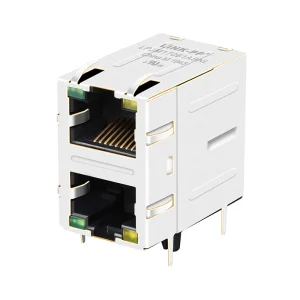
Integration of real-time thermal monitoring and dissipation channels inside stacked connectors to safely deliver up to 100W PoE++ per port without heat damage.
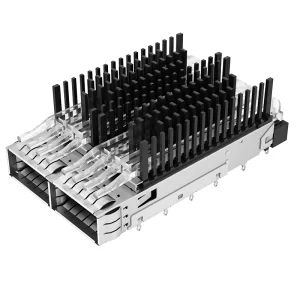
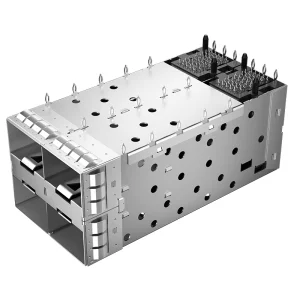
Development of mixed modular assemblies where SFP transceivers and high-density copper RJ45 interfaces share integrated cages, maximizing faceplate versatility.
Engineering 40G BASE-T over copper patch cords and modular jacks, focusing on suppressing NEXT and FEXT at frequencies reaching up to 2GHz.
Get answers to common queries regarding RJ45 connectors, integrated magnetics, and sourcing logistics.
Explore our complete catalog of network interfaces, SFP cages, and optical modules.