Zyqora
Zyqora
Zyqora
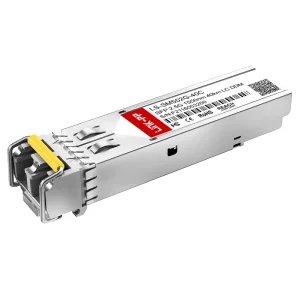
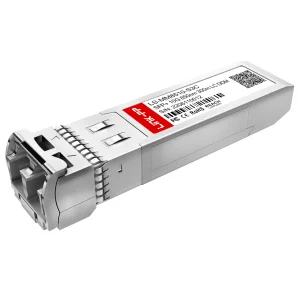
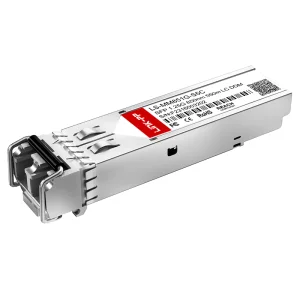
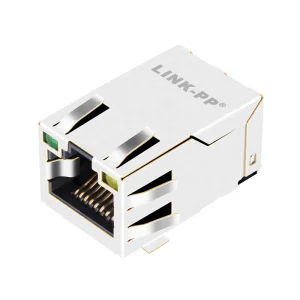
Explore our premium collection of integrated RJ45 jacks, SFP transceivers, and high-performance magnetic connectivity modules engineered for minimal signal attenuation.
Unveiling the next frontier of Ethernet interface design: higher frequencies, smaller form factors, and superior EMI attenuation.
In the era of cloud-scale computing, the Industrial Internet of Things (IIoT), and ultra-broadband telecommunication infrastructures, the physical interface remains a primary bottleneck for signal integrity. The humble RJ45 connectivity module has evolved from simple analog telephony hardware into a highly engineered, active component featuring embedded magnetics, integrated LED indicators, and complex shielding configurations designed to mitigate high-frequency electromagnetic interference (EMI).
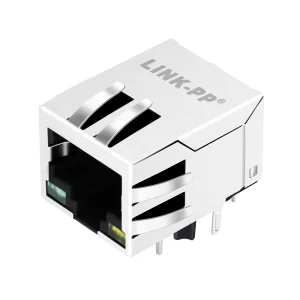
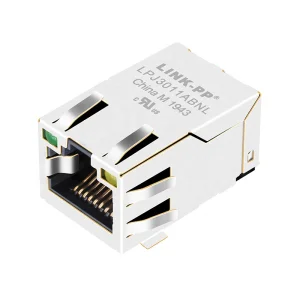
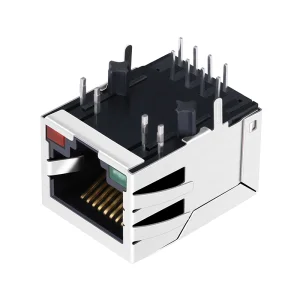
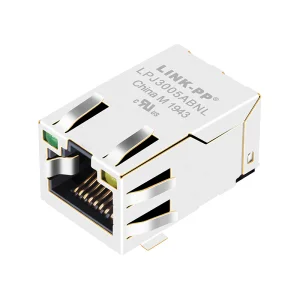
Modern Ethernet deployments demand bandwidth capacities that stretch copper cabling systems to their limits. With the standardisation of Cat6a, Cat7, and Cat8 ethernet specifications, design engineers face the challenge of containing crosstalk (both Near-End Crosstalk (NEXT) and Alien Crosstalk (ANEXT)) inside dense connector bays. As a result, the industry is witnessing a structural shift toward highly integrated Magjacks (Magnetic RJ45 Connectors). By housing isolation transformers, common-mode chokes, and decoupling capacitors within the connector shield itself, these modules drastically reduce PCB footprint and eliminate the parasitics associated with routing high-speed traces between discrete PHY chips and connectors.
The rise of high-power smart devices, PTZ surveillance systems, and wireless access points requires connectors capable of supporting Power over Ethernet (PoE, PoE+, and PoE++ / IEEE 802.3bt). Current designs must manage up to 90W of DC energy over copper pairs without experiencing thermal breakdown or contact arcing under load extraction.
Industrial electromagnetic environments demand robust 360-degree shielding with multi-point grounding tabs. Modern manufacturing uses high-permeability nickel-plated brass and internal metal partitions to safeguard data streams against electrostatic discharge (ESD) and nearby radio-frequency interference (RFI).
To support high-throughput automated pick-and-place assembly lines, manufacturers are increasingly moving away from traditional through-hole wave soldering toward reflow-compatible Surface Mount (SMT) and Pin-in-Paste (PIP) RJ45 solutions. These modules withstand extreme thermal cycles up to 260°C.
Procurement departments at Tier-1 telecom operators and global hardware OEMs analyze more than unit cost when choosing RJ45 module vendors. The primary purchasing vectors include supply chain resilience, cross-brand component compatibility, and regulatory compliance.
As networks face multi-year upgrades, buyers require standardized modular products (such as TE Connectivity, Pulse, or Halo-compatible footprints) that prevent single-source lock-in. Furthermore, because ethernet connectors sit at the physical threshold of the network device, compliance with international safety protocols (e.g., UL 94 V-0 flammability, RoHS, and REACH) is non-negotiable for target markets like North America and the European Union.
China-based exporters have moved up the value chain by transitioning from simple low-cost assembly to offering custom firmware coding and bespoke magnetic configurations. This transition allows global hardware system integrators to secure stable shipments while receiving specialized technical consulting directly from the manufacturer's engineering office.
Providing seamless, reliable interconnections for industrial machinery, enterprise routing fabrics, and optical-to-copper media conversion systems.
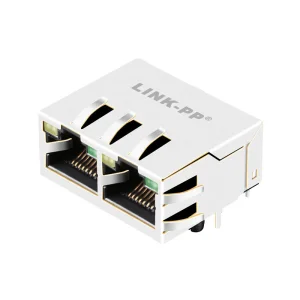
Our multiport RJ45 connectivity modules and integrated magnetics are built to withstand high levels of electrical stress, providing reliable service in base stations and roadside cabinets. Integrated common-mode chokes remove electromagnetic noise, maintaining clean signal lines even when deployed next to high-frequency RF transmitters.
In harsh factory environments where motors and actuators generate high levels of transient EMI, standard commercial-grade connectors can drop packets. Our industrial-grade, tab-up RJ45 modules feature thick gold plating, structural reinforcement tabs, and high-impact plastic housing to maintain continuous connections despite vibration and heat.
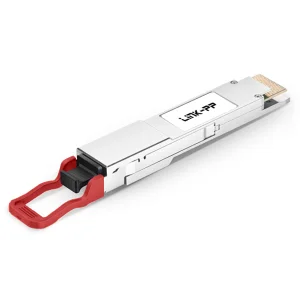
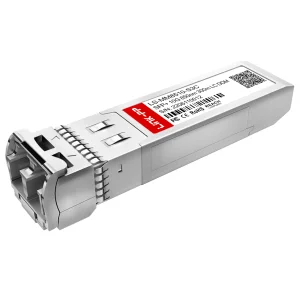
Modern data centers rely on hybrid fiber-copper structures. While optical transceivers (SFP/QSFP) carry data over long distances, high-density RJ45 solutions manage local management ports and server rack connections. Our low-power, high-density connectors help control energy costs while supporting high port densities.
Founded in 2016, Zyqora Optical Technologies Co., Ltd. is an established manufacturer and global supplier of high-performance optical transceivers and fiber connectivity solutions. Our products support applications across global data centers, telecom operations, enterprise networks, and cloud computing environments.
With an advanced production facility covering 386 square meters dedicated to precision testing and rapid prototyping, Zyqora specializes in the design, development, manufacturing, and validation of high-speed communication products. Our core product portfolio includes SFP, SFP+, SFP28, QSFP28, QSFP-DD, OSFP, AOC, and DAC solutions. These components are designed for stable performance, broad compatibility, and seamless integration with mainstream networking equipment.
Over the years, Zyqora has built an international footprint, achieving an annual export revenue of over USD 18 million. Backed by 8 years of export experience and a decade of industry expertise, we serve partners across North America, Europe, Southeast Asia, the Middle East, and Latin America.
Operating as a manufacturer and international trading partner, Zyqora leverages a robust supply network of over 860 partners. This system enables stable material sourcing, flexible production scheduling, and dependable lead times.
We provide end-to-end OEM and ODM support, including custom laser marking, firmware coding, tailored packaging, and custom magnetic configurations. Our team of 65 R&D engineers works closely with customers to design bespoke solutions that meet unique mechanical and electrical needs.
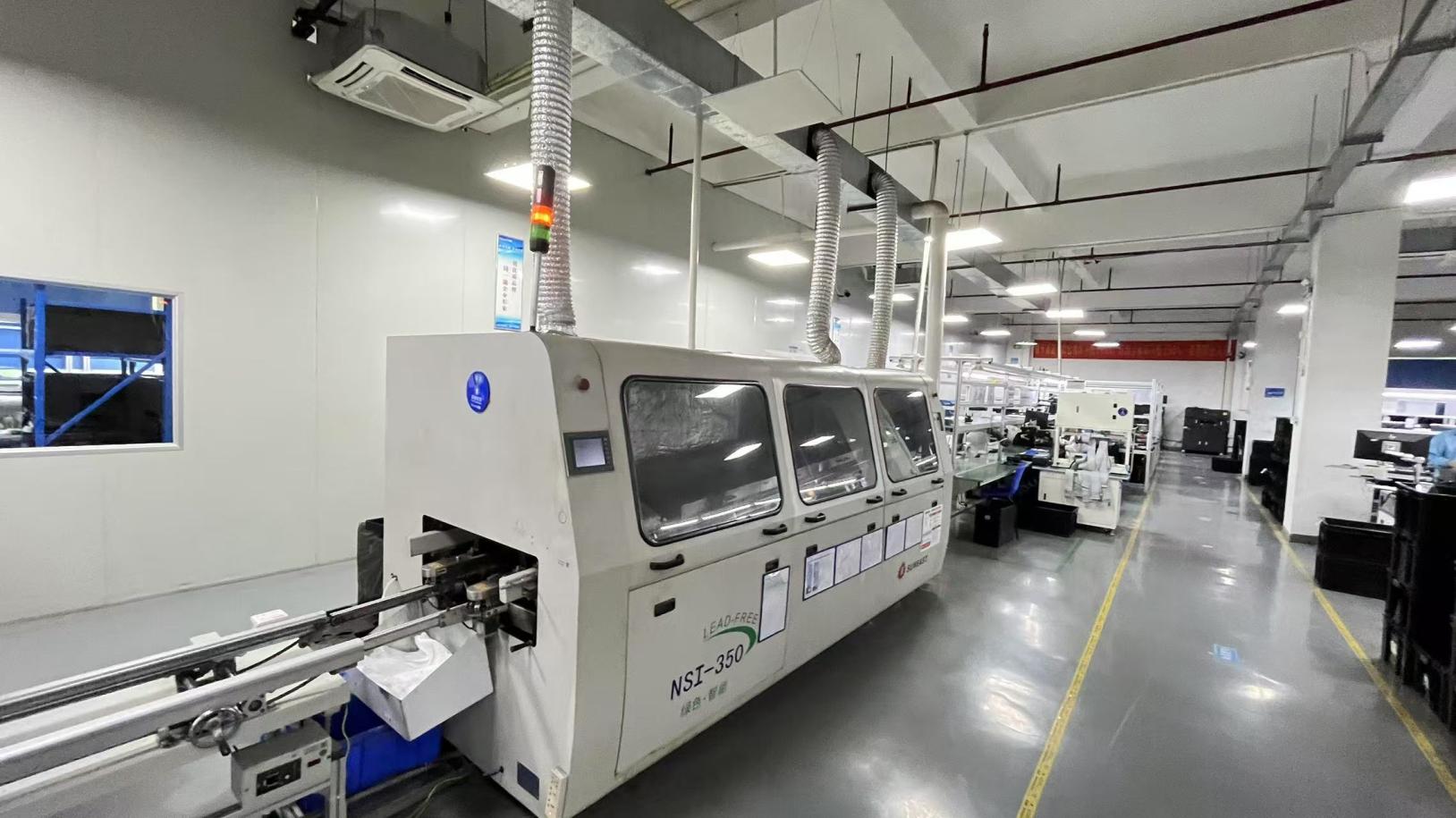
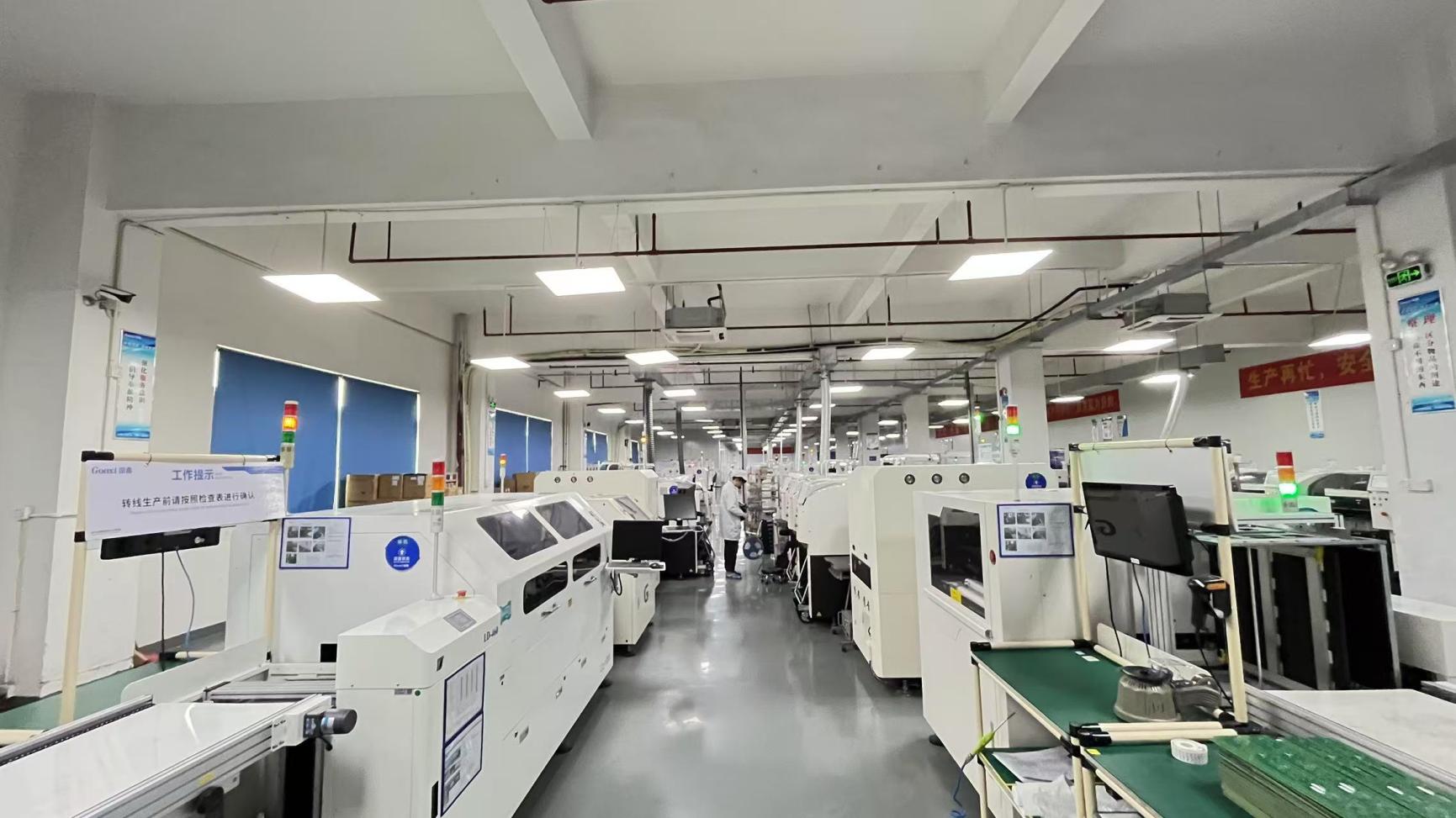

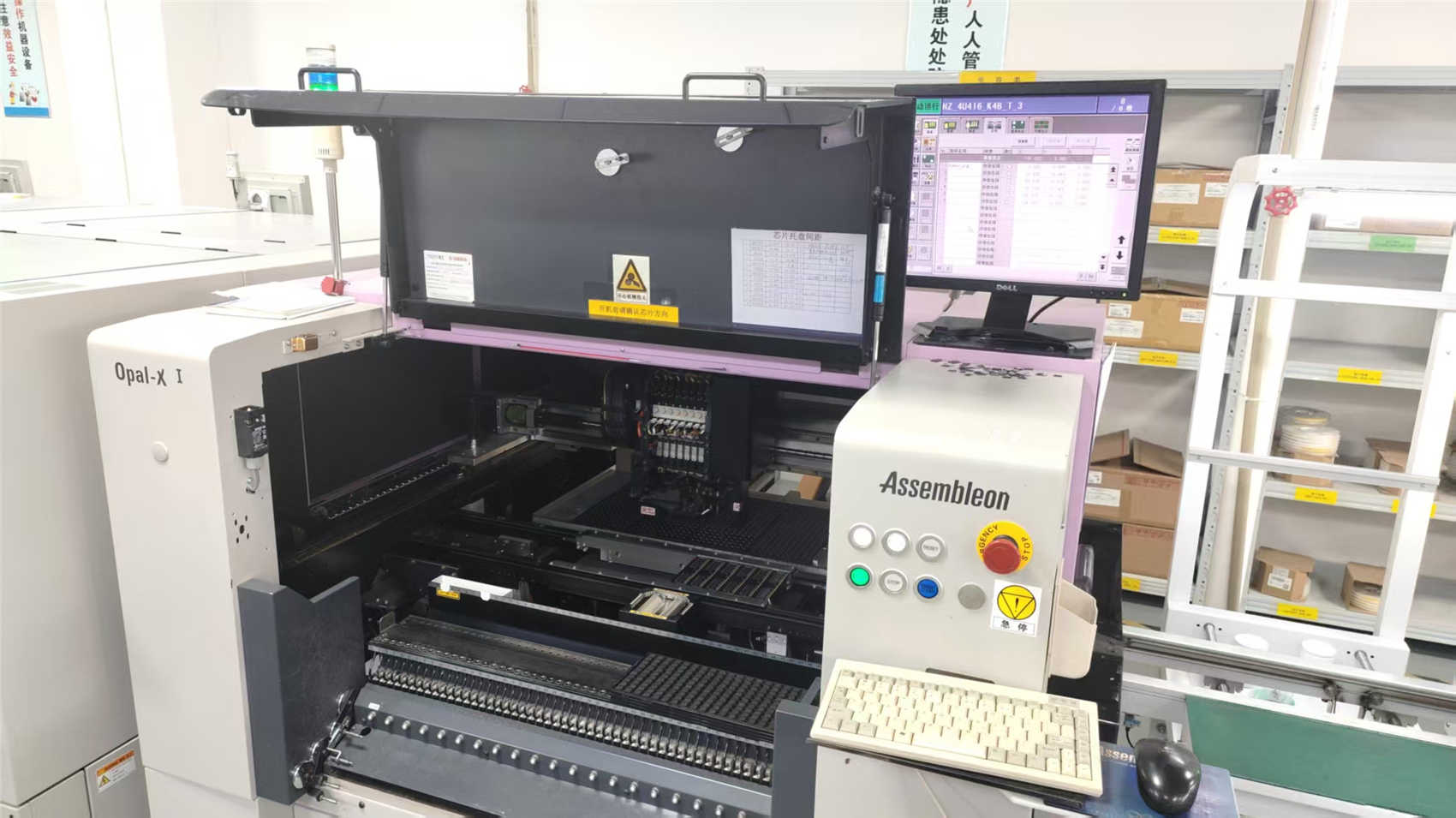
A look at our testing processes and long-term research plans for next-generation network hardware.
At Zyqora, product quality is managed at every stage of production. A dedicated quality assurance group of 42 professionals oversees our testing protocols to ensure products meet international standards. Our process includes:
Our R&D team consists of 65 engineers focused on high-speed signal integrity, thermal management, and mechanical design. We are presently developing:
Ensuring compliance with international standards and providing reliable delivery networks to support global customers.
Meeting global trade regulations is vital for international logistics. Zyqora ensures all products are manufactured in compliance with RoHS, REACH, CE, and FCC standards. This regulatory focus allows our products to transition smoothly through international customs, minimizing project delays for our clients.
Our logistical systems are built to accommodate both scheduled high-volume manufacturing and urgent product deliveries. In addition, our engineers provide remote integration support, helping clients resolve interface and software compatibility issues during system setups.
Review the second part of our professional product selection, built to maintain signal integrity and connection stability.
Detailed answers to help you select, configure, and install the right components for your networking systems.
An integrated RJ45 Magjack contains the isolation transformer and filtering components inside the connector housing. A standard connector requires these components to be laid out separately on the PCB. Integrating these magnetics helps protect the physical layer (PHY) chip, saves space on the board, and reduces electromagnetic noise.
PoE++ systems transmit up to 90W/100W of electrical power over ethernet cables. Connectors used in these systems must be designed with thicker pins and heat-resistant plastics. These design choices ensure the module can manage the increased current without overheating or causing electrical arcing during connection cycles.
At speeds of 1000 Base-T and higher, external electromagnetic signals can interfere with data transmission, leading to lost packets and slower performance. Metal shielding on connectors helps block external noise and prevents crosstalk between adjacent ports in dense switches.
Zyqora offers a range of customization options, including specialized labeling, custom firmware configurations for compatibility with different hardware brands, tailored packaging, and custom-engineered magnetic modules. Our engineering team works directly with clients to meet specific design goals.
Our transceivers and optical modules are tested in our compatibility lab using switches and routers from mainstream industry brands. This verification process ensures that the modules communicate correctly with the host systems, avoiding the software lockouts that can happen with non-compliant components.