Zyqora
Zyqora
Zyqora
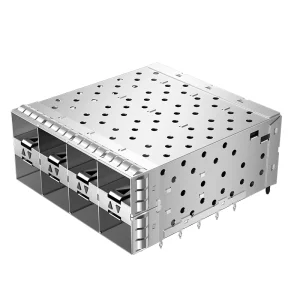
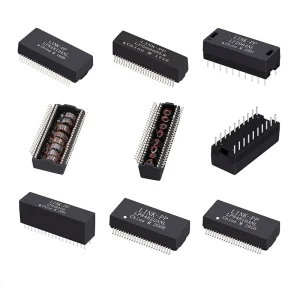
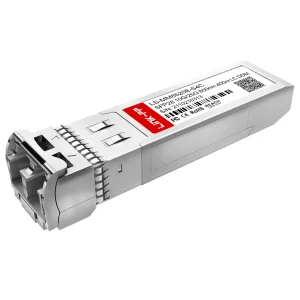
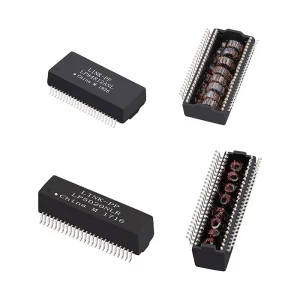
In the modern telecom and cloud computing architecture space, hardware engineers and product planners face high pressure to validate prototype boards before moving to mass production. Prototyping Ethernet infrastructure is not merely about routing differential pairs; it represents the consolidation of signal integrity, high-speed power delivery networks (PDN), and thermal dissipation efficiency. High-performance enterprise-level systems require precise testing platforms that host SFP+ Cages, stacked RJ45 ports, and reliable discrete magnetic LAN transformers.
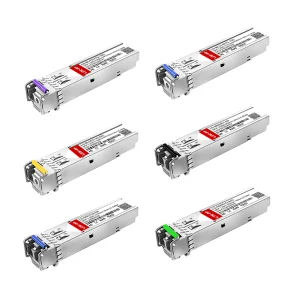
Hardware designers globally require multi-rate transceivers, integrated connectors, and magnetic modules that allow flexible, multi-standard physical layers. For instance, testing a mixed optical-copper backbone demands hardware components that sustain the transition from 10/100 Base-T to 10G/25G and even up to 100G architectures. Industrial and enterprise purchasers prioritize component interoperability, assuring that the SFP+ cages and RJ45 modular jacks align perfectly with mainstream platforms like Cisco, Juniper, and Huawei.
Advanced Ethernet prototyping boards address multifaceted deployment challenges across diverse vertical industries. By designing robust testing environments, developers resolve real-world deployment challenges beforehand:
Edge installations expose devices to harsh electrical noise. Implementing prototyping layouts featuring 1500VAC high-voltage isolated magnetic transformers prevents electrostatic discharge (ESD) and ground loops. These systems run continuous data packet analysis to verify system integrity at the network boundary.
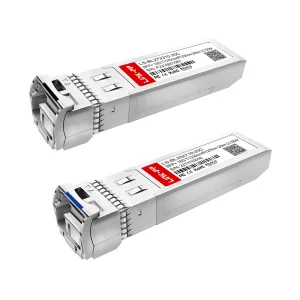
In latency-critical environments, nanosecond delays are intolerable. Ethernet prototyping setups utilize custom stacked SFP+ cages, matching 10G/25G transceivers directly to the FPGA logic arrays, minimizing optical-to-electrical signal degradation and optimizing thermal headroom.
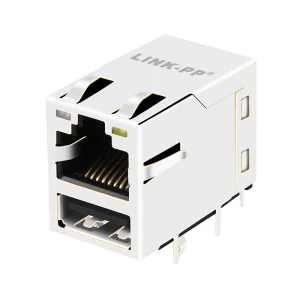
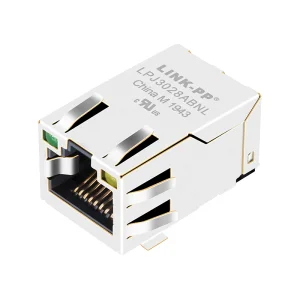
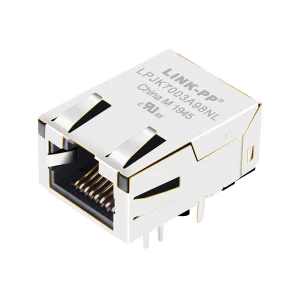
Automated environments rely on Industrial Ethernet (e.g., EtherCAT, PROFINET). The prototyping hardware acts as the physical layer validation board, certifying that the low-profile RJ45 jacks with integrated LEDs survive continuous vibrations and high operational temperature cycles.
As bandwidth demands climb, the transition from copper-dominated physical layers to hybrid optical infrastructures has accelerated. Prototyping systems are evolving past standard gigabit networks to address the needs of 25G, 100G, and next-generation 400G/800G interfaces. To support this progression, physical connectors and line interfaces require rigorous structural improvements:
| Interface Standard | Prototyping Focus | Critical Components | Typical Applications |
|---|---|---|---|
| 10/100/1000 Base-T | High Isolation & LED Integration | Discrete Magnetic Transformers & Tab-up RJ45 | Industrial IoT & Embedded Control Systems |
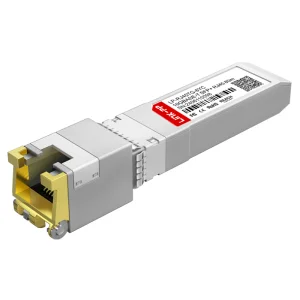
| 10G/25G SFP+ / SFP28 | Crosstalk Abatement & Thermal Paths | Multi-port SFP Cages & SFP+ Copper Modules | High-speed NAS, Local Cloud Servers |
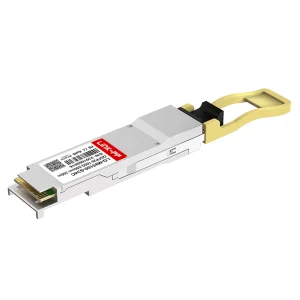
| 100G QSFP28 | Optical Line Precision & MPO Interface | 100G MMF Optical Transceivers (ESR4) | Data Center Aggregation, Backbone Routers |
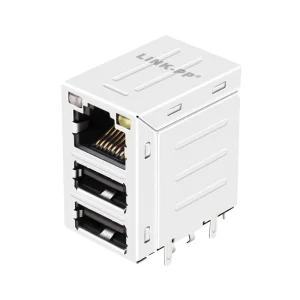
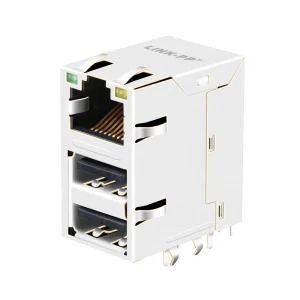
Future network topologies demand that hardware validation boards integrate both optical and copper ports. For example, testing fiber-to-the-desk converters requires integrating stacked USB/RJ45 combo jacks alongside SFP cages. Hardware engineers must design systems with these variables in mind to maintain signal integrity over longer distances.
Sourcing hardware components from a vertically integrated manufacturer in China offers major logistical advantages. Global enterprises depend on vendors who combine manufacturing control with global logistics. This allows developers to secure critical components—like SFP+ cages, LAN transformers, and RJ45 jacks—directly from the source, maintaining design specifications and preventing line failures.
This integrated sourcing model reduces supply risks. Leveraging robust supply partner networks ensures stable component supplies even during market fluctuations. Additionally, rapid prototyping services enable developers to quickly order custom layouts and component integrations, compressing the design and testing phases.
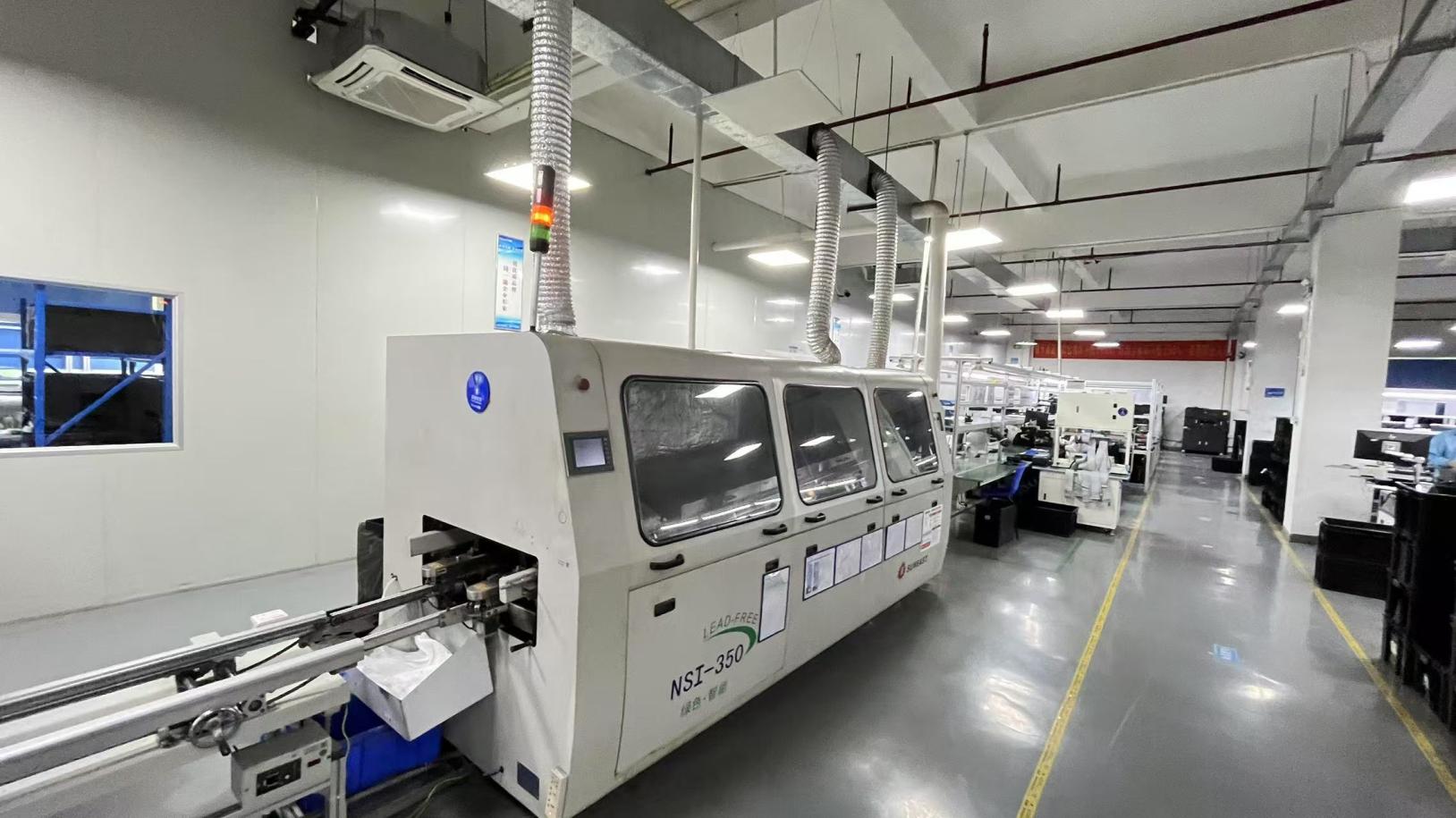
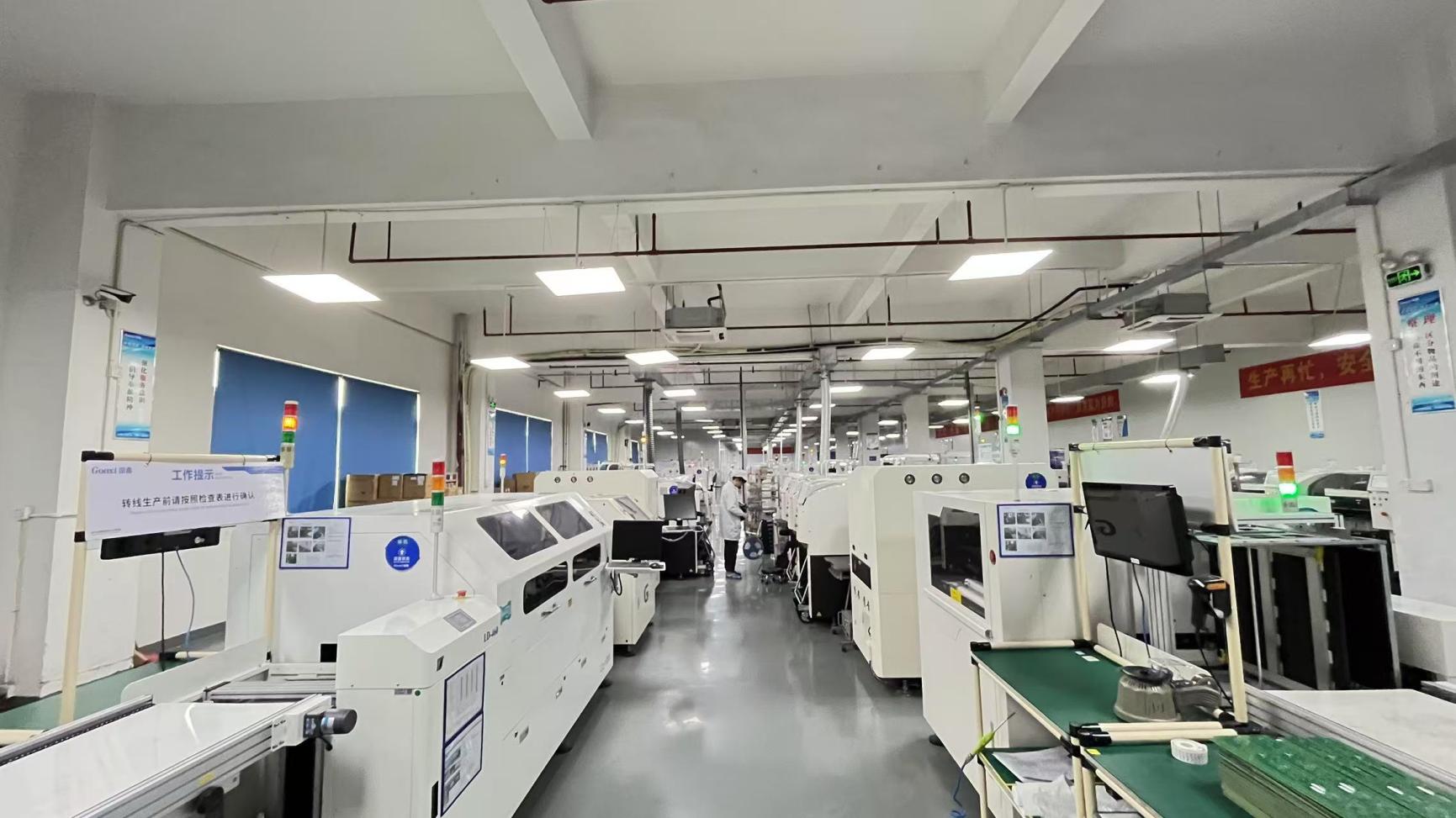
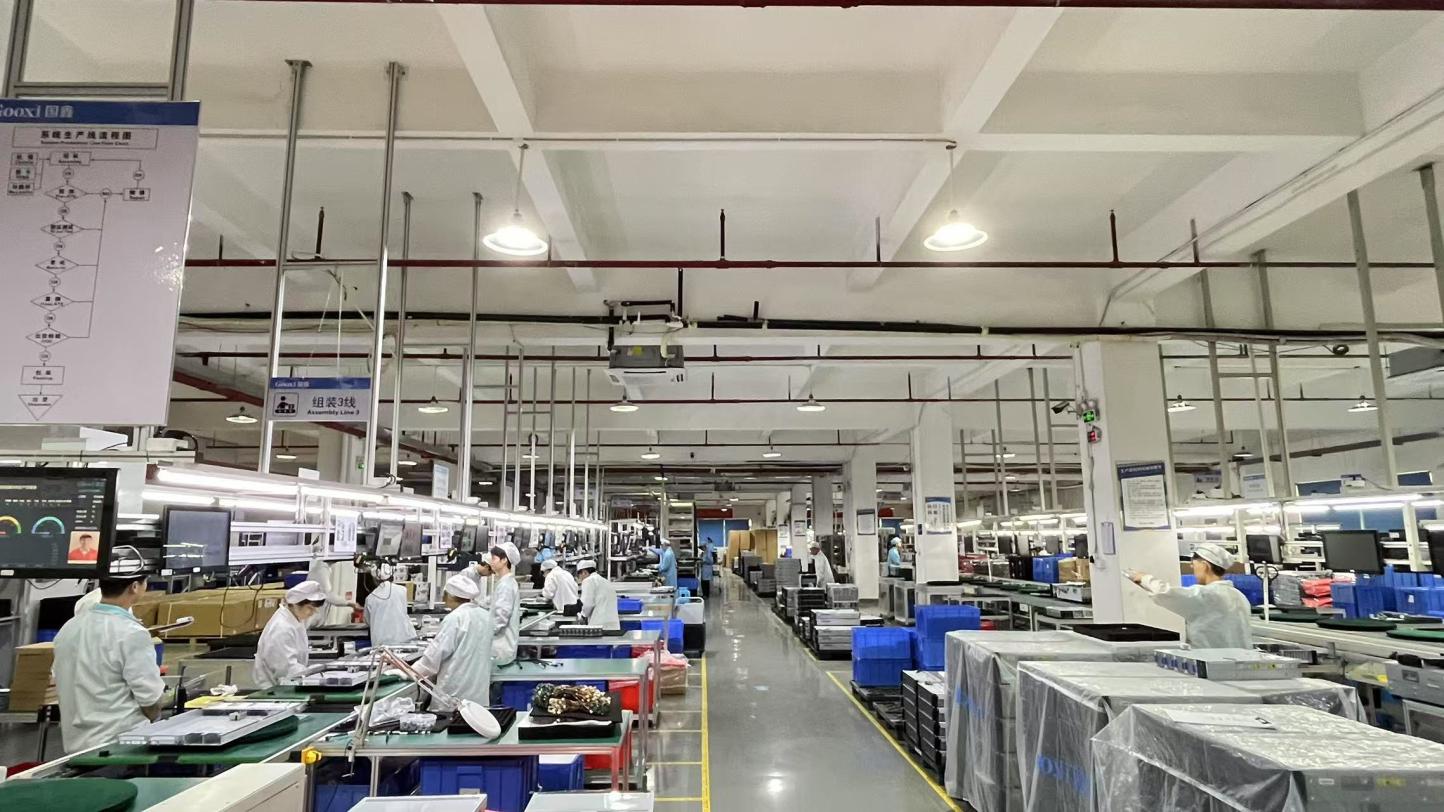
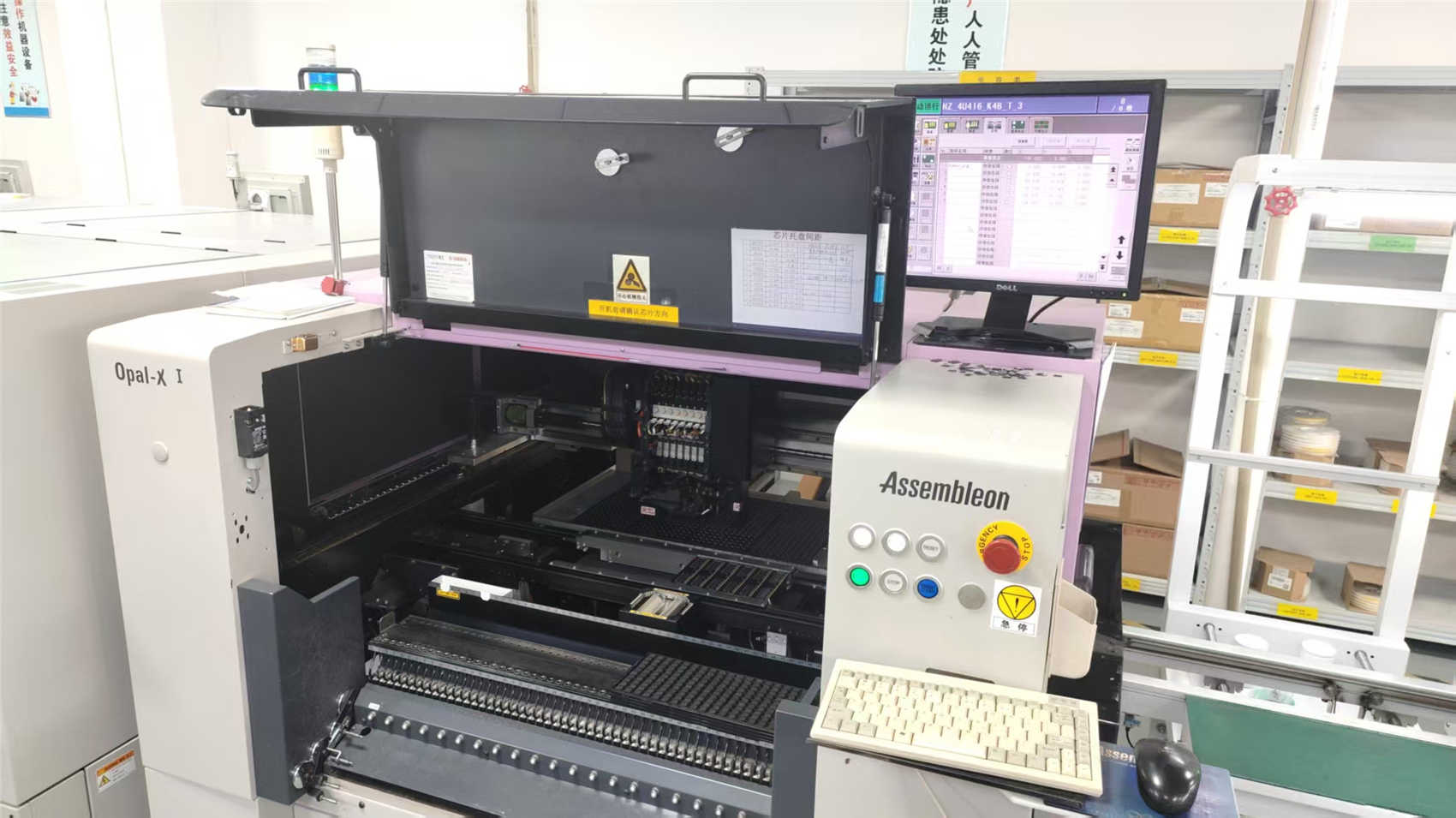
Founded in 2016, Zyqora Optical Technologies Co., Ltd. is a professional manufacturer and supplier of high-performance optical transceivers and fiber connectivity solutions for global data center, telecom, enterprise network, and cloud computing applications. To provide developers and systems engineers with reliable interconnect components, we operate a highly specialized production environment.
With a modern production facility covering 386 square meters, Zyqora specializes in the design, development, manufacturing, and testing of optical communication products, including SFP, SFP+, SFP28, QSFP28, QSFP-DD, OSFP, AOC, and DAC solutions. Our products are engineered to deliver reliable performance, scalability, and seamless compatibility with mainstream networking platforms.
Over the years, Zyqora has established a strong international presence, achieving annual export revenue exceeding USD 18 million. Backed by 8 years of export experience and 10 years of industry expertise, we serve customers across North America, Europe, Southeast Asia, the Middle East, and Latin America.
Quality is at the core of everything we do. Our manufacturing process is supported by comprehensive quality assurance procedures, including incoming material inspection, optical performance testing, aging tests, compatibility verification, and final product inspection. A dedicated team of 42 quality control professionals ensures that every product meets international standards and customer expectations.
As a company with both manufacturing and international trading capabilities, Zyqora has built a reliable supply network with more than 860 supply chain partners, enabling efficient sourcing, stable production, and flexible delivery schedules. Our primary customers include telecom operators, data center providers, system integrators, network equipment distributors, and enterprise IT solution providers worldwide.
To support evolving market demands, we maintain a strong research and development team focused on innovation and product optimization. Zyqora offers comprehensive OEM and ODM services, including customized labeling, firmware coding, packaging design, and product specification development. Last year alone, the company successfully launched 168 new products to meet the growing requirements of next-generation network infrastructures.
Our R&D department consists of 65 experienced engineers specializing in optical communication technologies, high-speed transmission systems, and network interoperability solutions. Through continuous innovation and strict quality management, Zyqora remains committed to providing cost-effective, reliable, and future-ready optical networking products for customers around the world.
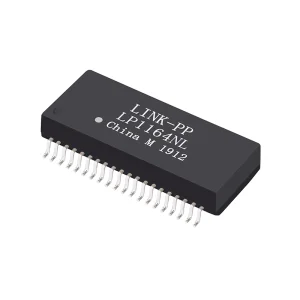
Discrete LAN magnetic transformers provide critical electrical isolation, protecting sensitive PHY chips from high-voltage transients on the Ethernet line. They suppress common-mode noise and maintain signal balance, ensuring high return loss and low insertion loss across 10/100/1000 Base-T layouts.
Light pipes route light from board-mounted LEDs to the front panel, providing clear port-status visibility in high-density installations without requiring complex, panel-mounted wiring.
We maintain a dedicated testing lab equipped with mainstream switches and routers (such as Cisco, Juniper, and Huawei). We verify transceiver EEPROM coding, firmware protocols, and electrical signal signatures across these platforms before shipping.
Standard modifications, such as custom labeling or firmware coding, are completed within 1 to 2 weeks. Structural PCB redesigns or custom hardware layouts typically take 4 to 6 weeks, depending on design complexity.
10GBASE-T transceivers allow data transmission over standard Cat6a copper cables up to 80 meters, offering longer reach than passive DACs (typically limited to 7 meters) while utilizing existing copper wiring.
Every optical module undergoes automated optical power and spectral testing, high-temperature burn-in, eye-pattern validation, compatibility verification, and mechanical inspection under our 42-person QC team.
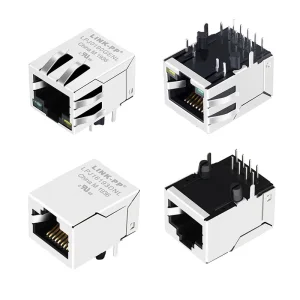
Inside our advanced facilities, we execute rigorous manufacturing and quality control protocols to ensure every network component meets enterprise standards.