Zyqora
Zyqora
Zyqora
Engineered for seamless integration, high data rates, and robust signal integrity across critical networking topologies.
Understanding the technical transition from copper endpoints to multi-gigabit hybrid networking in modern cloud architectures.
The global networking landscape is undergoing a massive shift. In the era of high-performance computing (HPC), artificial intelligence (AI), and massive IoT distribution, raw bandwidth is no longer the sole metric of network performance. Today’s systems demand minimized latency, optimal power-to-data ratios, and strict EMI (Electromagnetic Interference) shielding. Ethernet adapters, fiber transceiver modules, and magnetic connectors act as the vital physical gateway bridging systems to global clouds.
For global sourcing managers and system engineers, purchasing hardware components requires deep scrutiny of transceiver-to-adapter physical layering. The transition from legacy 10G/25G structures to next-generation 100G and 400G environments highlights the need for reliable signal conversion. Precision-engineered RJ45 connectors with built-in magnetic modules protect local PHY chips from common-mode noise while allowing clean Power-over-Ethernet (PoE) transmission.
| Interface standard | Data Rate Range | Typical Physical Medium | Key Applications |
|---|---|---|---|
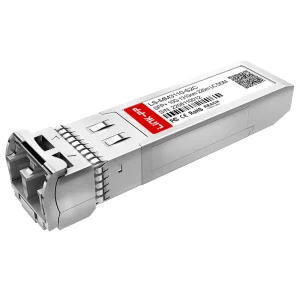
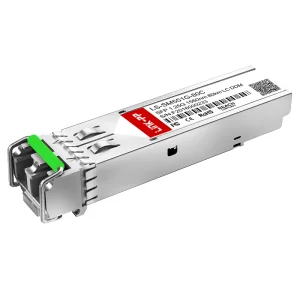
| SFP28 / SFP+ | 10Gbps to 25Gbps | Single Mode / Multi Mode Fiber | Enterprise Aggregation, Data Center Leaf-Spine |
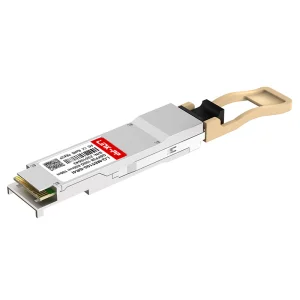
| QSFP28 / QSFP-DD | 100Gbps to 400Gbps | MPO / Parallel Fiber, DAC | Hyperscale Cloud, Core Routing Switch Fabrics |
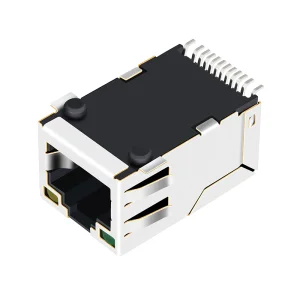
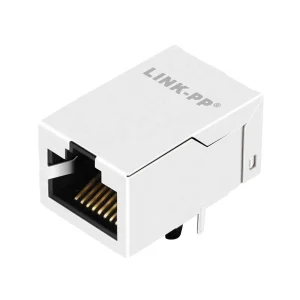
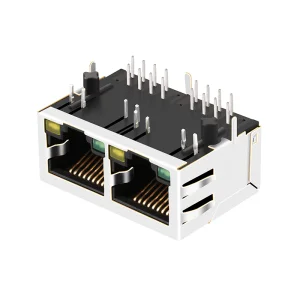
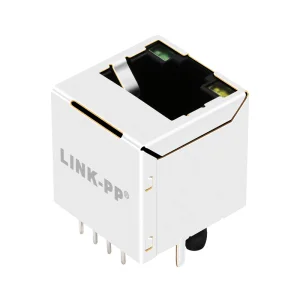
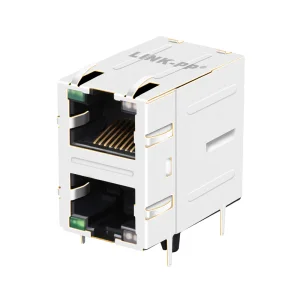
| RJ45 MagJack/PoE | 10/100/1000 Base-T | Cat5e / Cat6 Copper UTP | Industrial Control, Edge Computing, IoT Endpoints |
A premier manufacturer and strategic exporter of high-performance fiber connectivity and optical components.
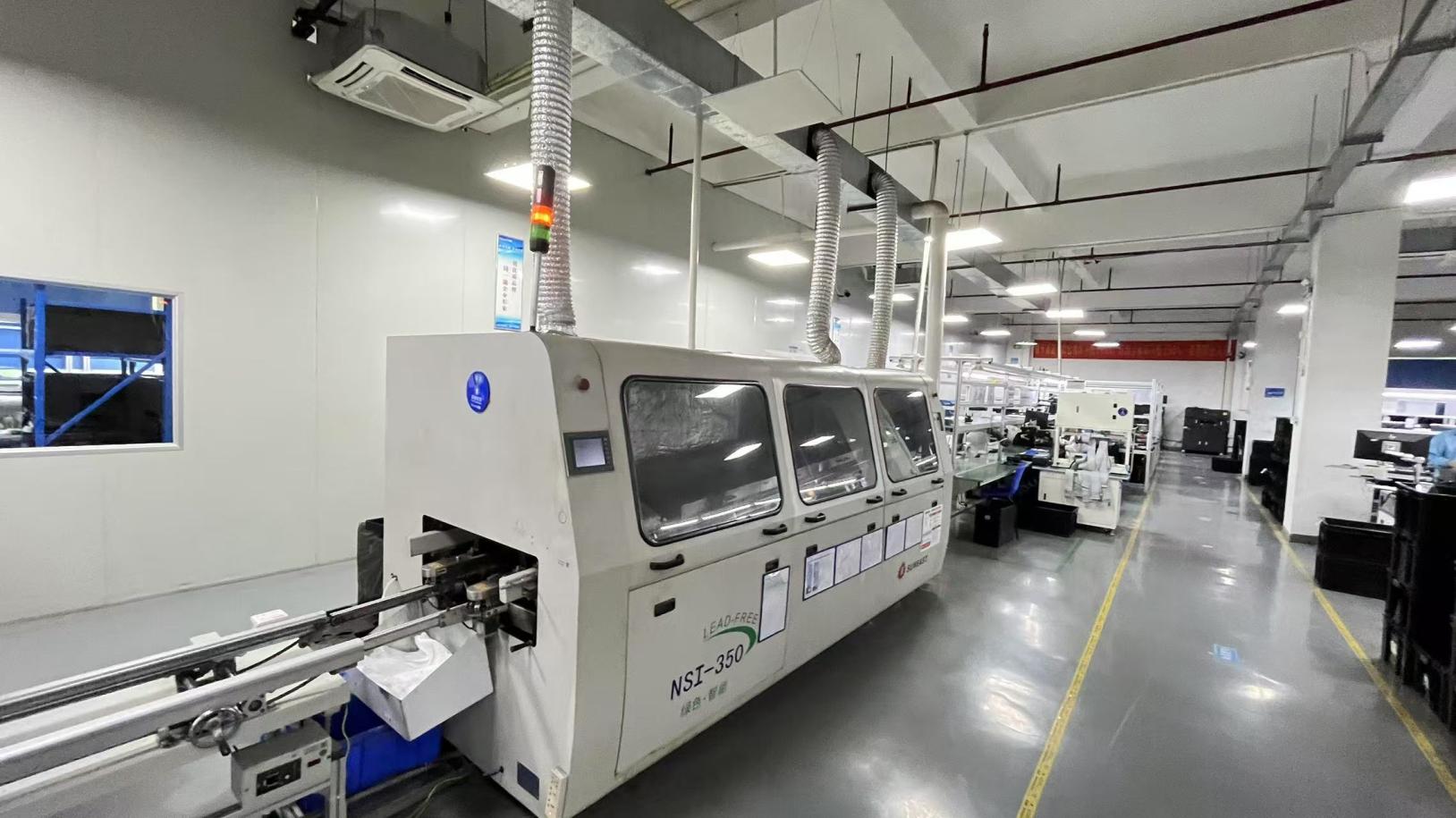
Founded in 2016, Zyqora Optical Technologies Co., Ltd. is a professional manufacturer and supplier of high-performance optical transceivers and fiber connectivity solutions for global data center, telecom, enterprise network, and cloud computing applications.
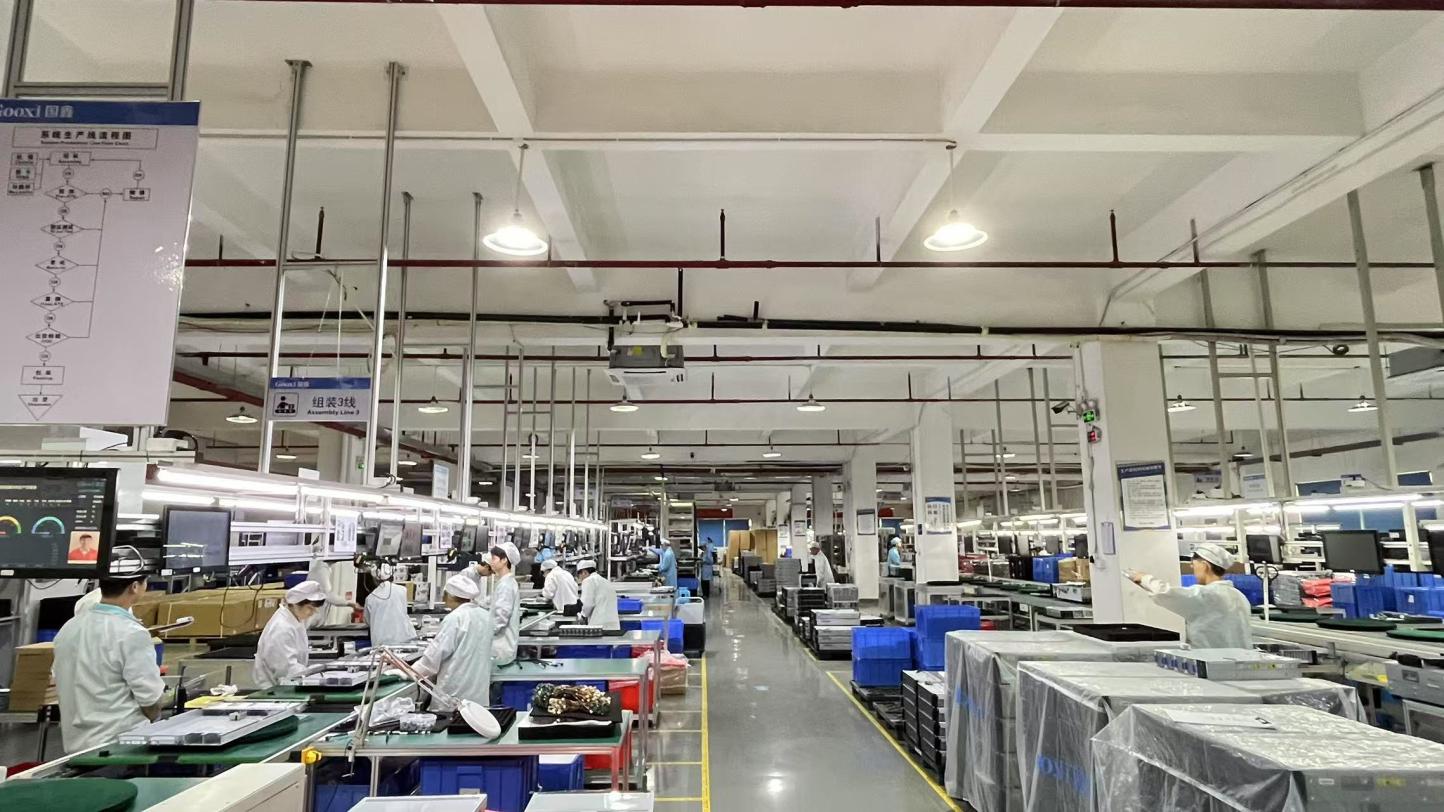
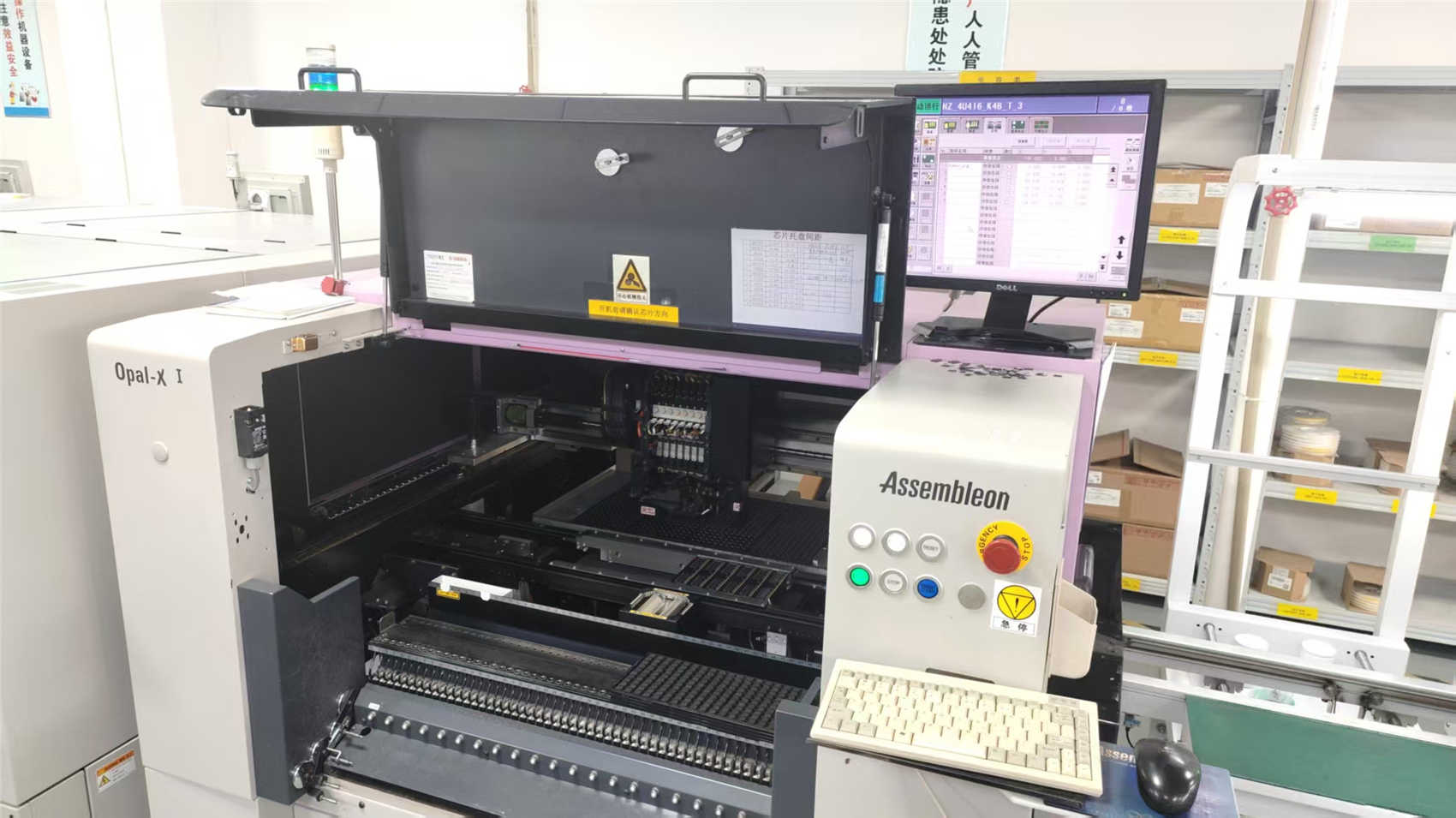
With a modern production facility covering 386 square meters, Zyqora specializes in the design, development, manufacturing, and testing of optical communication products, including SFP, SFP+, SFP28, QSFP28, QSFP-DD, OSFP, AOC, and DAC solutions. Our products are engineered to deliver reliable performance, scalability, and seamless compatibility with mainstream networking platforms.
Over the years, Zyqora has established a strong international presence, achieving annual export revenue exceeding USD 18 million. Backed by 8 years of export experience and 10 years of industry expertise, we serve customers across North America, Europe, Southeast Asia, the Middle East, and Latin America.
Our primary customers include telecom operators, data center providers, system integrators, network equipment distributors, and enterprise IT solution providers worldwide. To support evolving market demands, we maintain a strong research and development team focused on innovation and product optimization.
Zyqora offers comprehensive OEM and ODM services, including customized labeling, firmware coding, packaging design, and product specification development. Last year alone, the company successfully launched 168 new products to meet the growing requirements of next-generation network infrastructures.
Quality is at the core of everything we do. Our manufacturing process is supported by comprehensive quality assurance procedures, including incoming material inspection, optical performance testing, aging tests, compatibility verification, and final product inspection. A dedicated team of 42 quality control professionals ensures that every product meets international standards and customer expectations.
As a company with both manufacturing and international trading capabilities, Zyqora has built a reliable supply network with more than 860 supply chain partners, enabling efficient sourcing, stable production, and flexible delivery schedules.
Our R&D department consists of 65 experienced engineers specializing in optical communication technologies, high-speed transmission systems, and network interoperability solutions. Through continuous innovation and strict quality management, Zyqora remains committed to providing cost-effective, reliable, and future-ready optical networking products for customers around the world.

Why system engineers and enterprise purchasers trust our high-speed adapters and connector arrays.
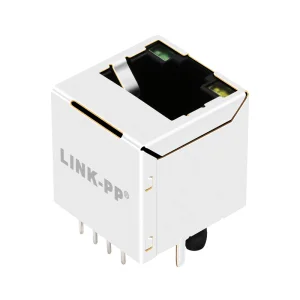
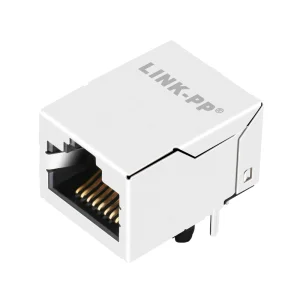
Our RJ45 modular jack connectors feature integrated magnetic elements. They prevent high-frequency noise spikes, protect sensitive silicon, and provide 1500V isolation barrier parameters.
By writing and testing unique EEPROM configurations, Zyqora's R&D team ensures 100% hardware compatibility across global enterprise network switches and server network interface cards (NICs).
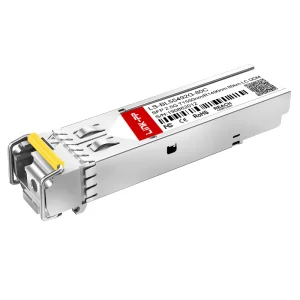
From 220m multimode solutions up to 80km single-mode bidirectional (BiDi) transceivers, our optical designs preserve wave integrity across extended telecommunication paths.
Seamless integration, optimized logistics, and rigorous compliance guidelines for international procurement.
Sourcing hardware from China requires addressing compliance and interoperability challenges. International enterprise purchasers look for partner exporters that offer transparency, certification, and technical documentation. Zyqora's export framework matches critical global regulations:
Whether configuring high-volume RJ11 jacks for telecommunications systems or programming customized SFP+ components, we follow a structured engineering checklist:
Technical and logistical insights from our hardware support and engineering teams.
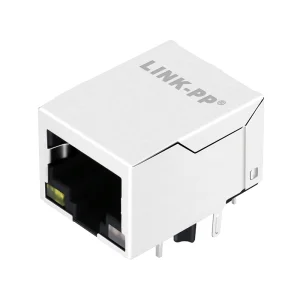
Integrated magnetic RJ45 connectors (often called MagJacks) incorporate isolation transformers, common-mode chokes, and resistors/capacitors within the connector housing. This setup provides crucial benefits: it reduces electromagnetic interference (EMI), filters out high-frequency noise from the transmission line, isolates the PHY chip from static electrical surges, and ensures reliable PoE power delivery.
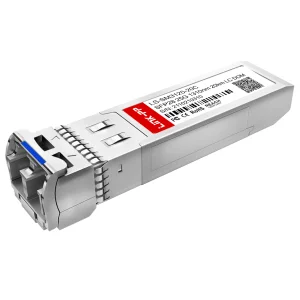
We maintain an interoperability lab equipped with host hardware configurations from major network equipment manufacturers. Our engineering team modifies the EEPROM firmware of each optical transceiver module (like SFP, SFP28, or QSFP28) to match the expected signature keys of specific host switches. This ensures seamless initialization without generating warnings about unsupported modules.
Duplex optical transceivers require two optical fibers—one for transmitting (TX) and one for receiving (RX). BiDi (Bidirectional) transceivers utilize Wave Division Multiplexing (WDM) to transmit and receive signals over a single strand of fiber by using distinct wavelengths (e.g., 1550nm-TX and 1490nm-RX). This single-fiber configuration helps network operators double their fiber capacity without running new cables.
Our OEM/ODM services cover custom physical packaging, custom shell shielding designs (such as EMI metal cages), private branding labels, and customized electrical characteristics. You can initiate a request by sending us your technical drawings or functional parameters. Our engineering team will review the requirements and generate prototype layouts for testing within 7-14 business days.
All active optical transceivers and passive magnetic modules undergo a multi-step quality control process. This includes: 1) Incoming inspection of optical sub-assemblies (TOSA/ROSA), 2) Automatic optical alignment and wire-bonding verification, 3) Real-time bit error rate (BERT) testing, 4) Temperature-cycling testing to ensure stability in varied environments, and 5) Final serialization tracking to log parameters for customer support.
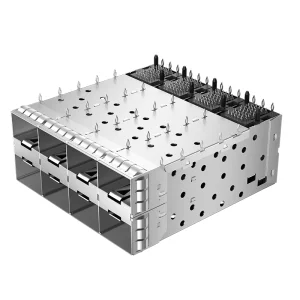
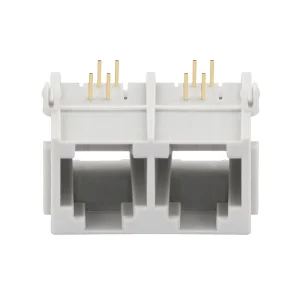
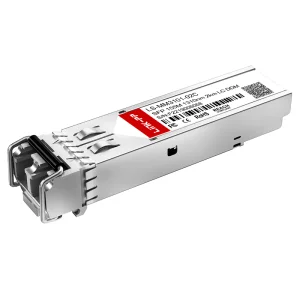
Explore our diverse portfolio of shielded modular jacks, cages, and specialized optical transceivers.