Zyqora
Zyqora
Zyqora
Deploy high-performance Ethernet extension layouts with physical layer interfaces engineered for minimal signal loss, certified impedance matching, and high electromagnetic isolation.
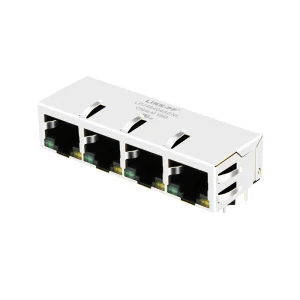
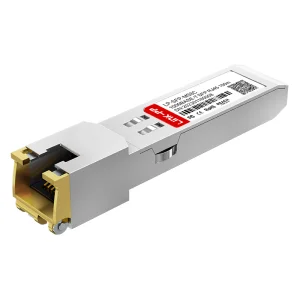
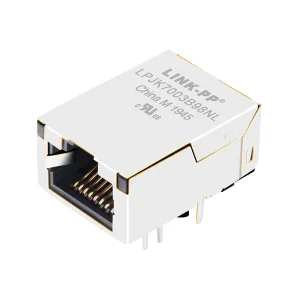
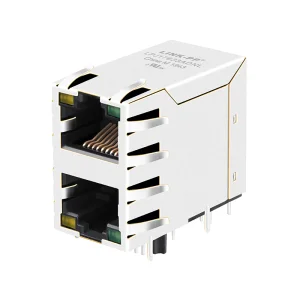
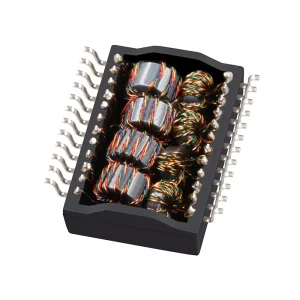
The modern industrial internet of things (IIoT) requires seamless, real-time data transmission across sprawling locations. Standard copper-based Ethernet runs hit a hard distance boundary of 100 meters (328 feet) due to signal attenuation and timing constraints dictated by the IEEE 802.3 standards. In large-scale industrial landscapes such as petrochemical complexes, underground mining channels, transport grids, and large logistics hubs, extending this barrier is essential.
Industrial Ethernet Extenders solve this physical barrier by utilizing advanced encoding schemes like VDSL2 (ITU-T G.993.2) or G.fast over standard 2-wire copper loops, coaxial cabling, or migrating directly to optical fiber media. As modern factories transition to Industry 4.0 automation, the global market for Ethernet extension devices is experiencing double-digit growth. System architects are looking for robust components—specifically low-profile RJ45 modular jacks, highly insulated magnetic transformers, and rugged optical transceivers—that can operate continuously under challenging electromagnetic interference (EMI) and extreme thermal conditions.
Every decibel of signal insertion loss across an extended network drop compromises packet delivery. System integrity relies on the physical interconnect layer. Utilizing high-frequency discrete magnetic transformers and fully shielded RJ45 female modular jacks prevents cross-talk and preserves wave-form symmetry, allowing reliable operation even at distances exceeding 1.5 kilometers over legacy copper infrastructure.
Understanding the shift in high-speed, long-distance transmission technologies and how hardware designs must adapt.
The industrial market is moving towards IEEE 802.3cg (10Base-T1L) systems. This enables Ethernet transmission up to 1,000 meters over a single twisted pair of copper wires, concurrently providing Power over Data Lines (PoDL). This technology replaces traditional fieldbuses like PROFIBUS and Modbus.
With high-frequency switching power supplies inside modern factory floors, EMI mitigation is critical. Next-generation Ethernet extenders require deep integration of EMI-shielded SFP cages and multi-port RJ45 Magjack solutions to maintain data integrity at higher baud rates.
Optical media converters and SFP transceivers must withstand ambient temperatures ranging from -40°C to +85°C. The utilization of hardened semiconductor transceivers guarantees that long-distance backhaul circuits remain active without thermal drift.
Founded in 2016, Zyqora Optical Technologies Co., Ltd. is a professional manufacturer and supplier of high-performance optical transceivers, discrete network transformers, and high-density fiber connectivity solutions for global data center, telecom, enterprise network, and cloud computing applications.
With a modern production facility covering 386 square meters, Zyqora specializes in the design, development, manufacturing, and testing of high-reliability optical communication products. Our core product portfolio spans SFP, SFP+, SFP28, QSFP28, QSFP-DD, OSFP, AOC, and DAC solutions. Every connection point is engineered to deliver reliable performance, scalability, and seamless compatibility with major international networking equipment brands.
Over the years, Zyqora has established a strong international footprint, achieving an annual export revenue exceeding USD 18 million. Supported by 8 years of export experience and 10 years of intensive industry expertise, we serve critical network operators, system integrators, and equipment manufacturers across North America, Europe, Southeast Asia, the Middle East, and Latin America.
Quality is the foundation of our engineering process. Our manufacturing pipeline is supported by strict quality assurance protocols, including incoming material inspection (IQC), optical performance testing, high-temperature aging tests, platform compatibility verification, and final product inspection (OQC). A dedicated team of 42 quality control professionals guarantees that every single shipment meets international telecommunications standards.
As an integrated production and international trading enterprise, Zyqora has structured a resilient, multi-tiered supply network with more than 860 verified supply chain partners. This ecosystem guarantees stable sourcing of raw components, quick turnarounds for production runs, and flexible logistics schedules.
To support evolving customer demands, we maintain a robust research and development team focused on signal integrity, hardware miniaturization, and software optimization. Zyqora provides comprehensive OEM and ODM services, covering custom labeling, customized firmware coding for cross-platform compatibility, bespoke packaging, and specialized mechanical layouts. Last year, our engineering team successfully rolled out 168 new products to meet the requirements of next-generation optical and copper interfaces.
Our core R&D division consists of 65 experienced engineers specializing in high-speed optical transmission, thermal dissipation, signal integrity, and multi-vendor network interoperability. Through constant technological evolution and structured quality workflows, Zyqora remains committed to delivering cost-effective, durable, and future-proof networking interfaces to clients worldwide.
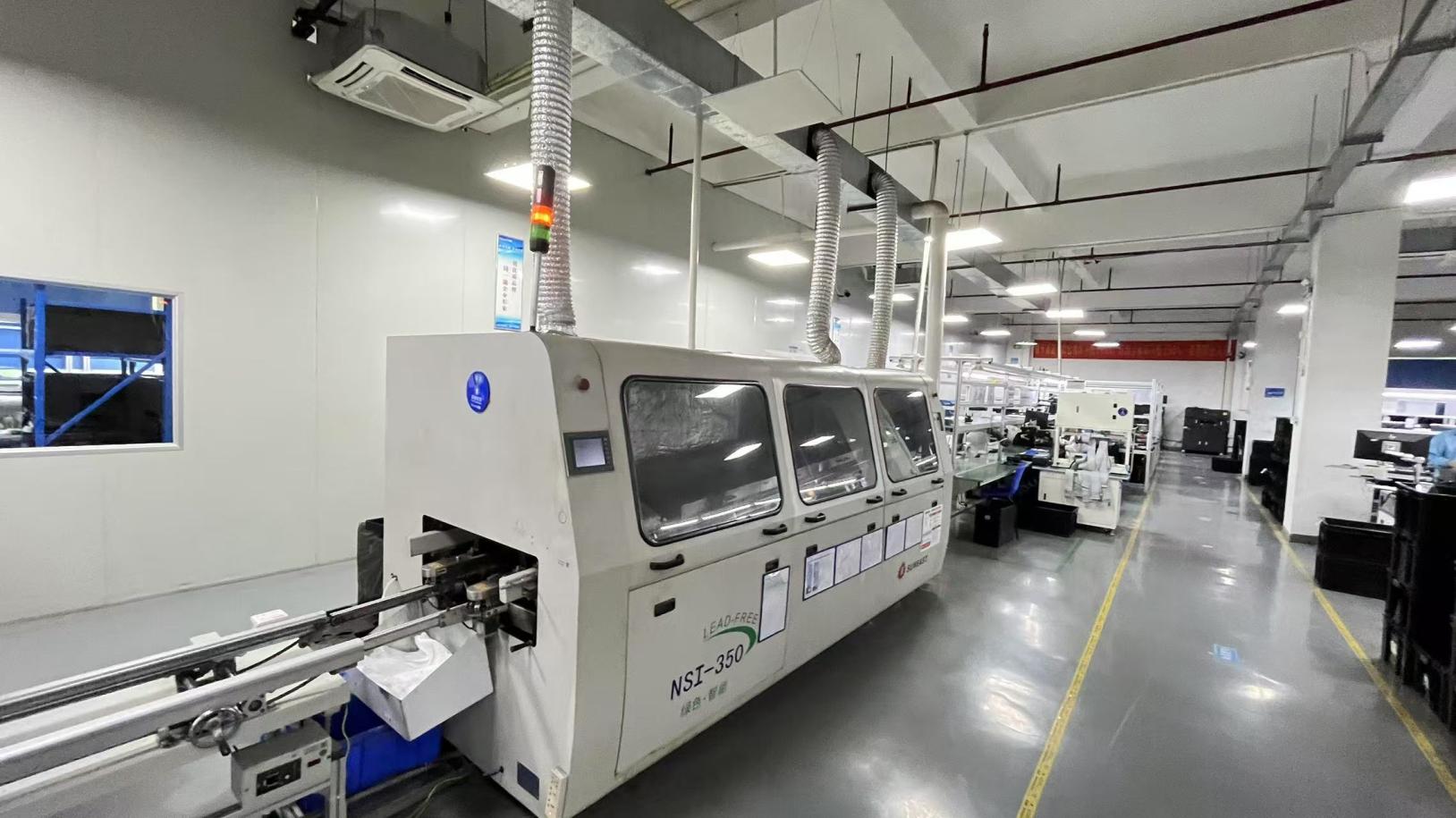
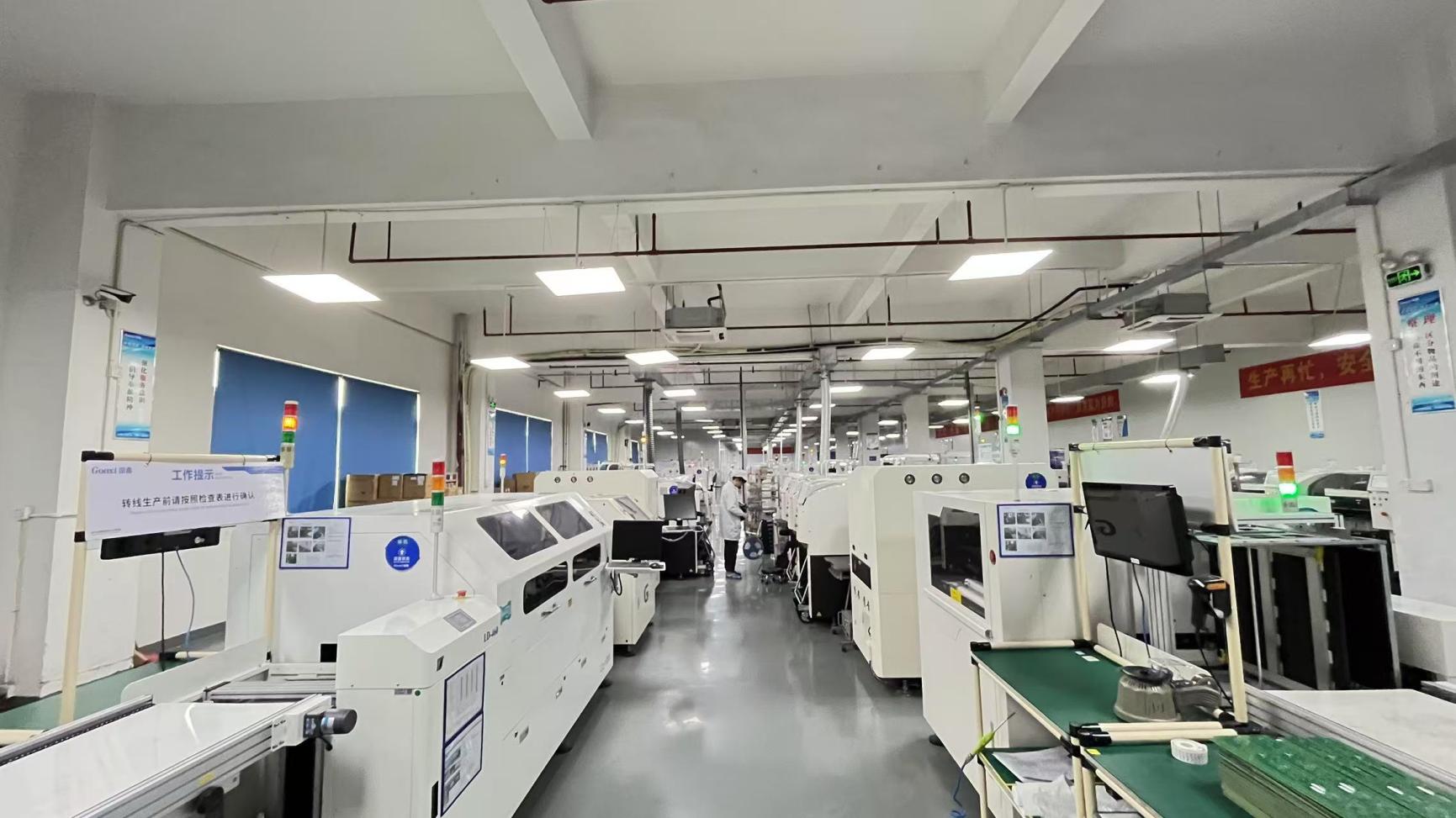
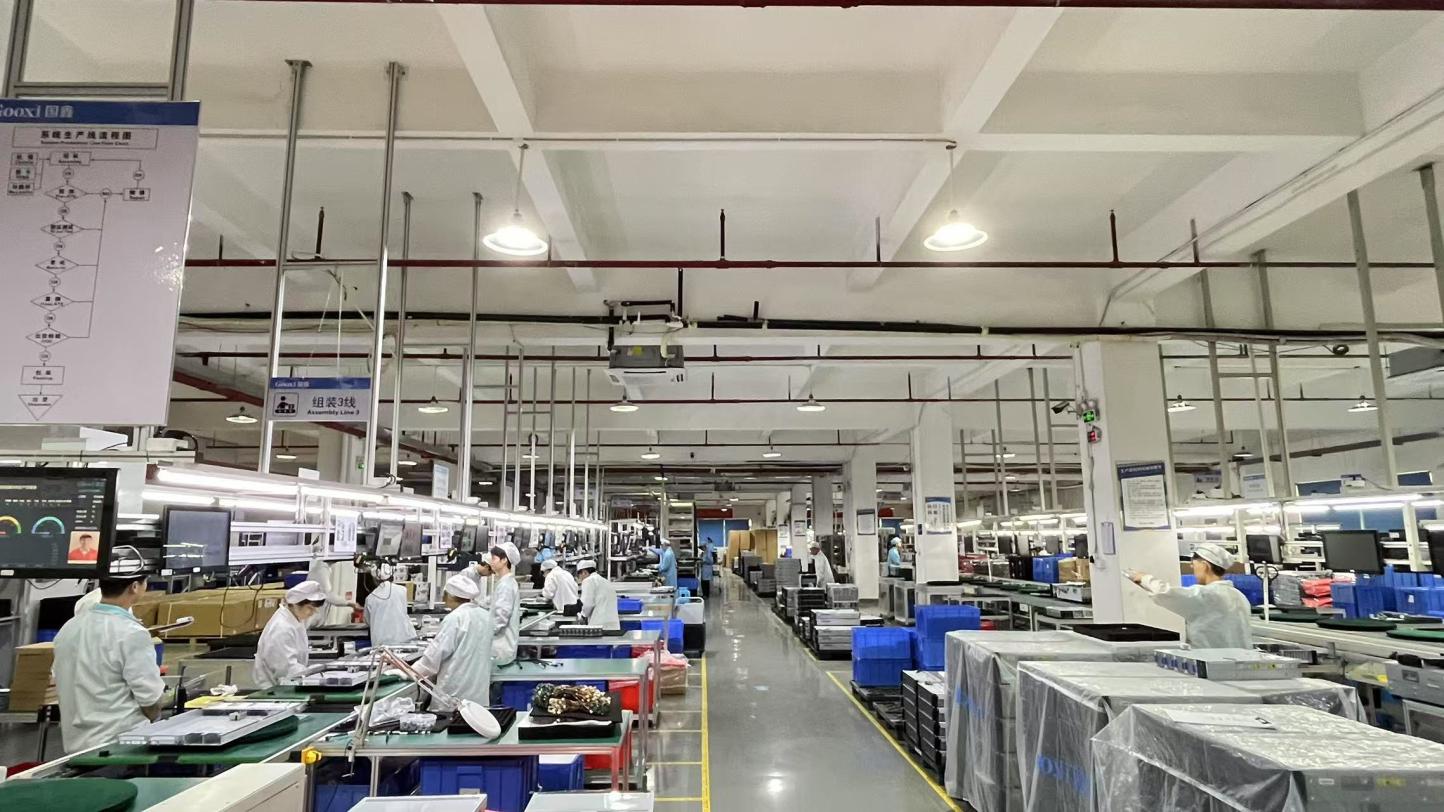
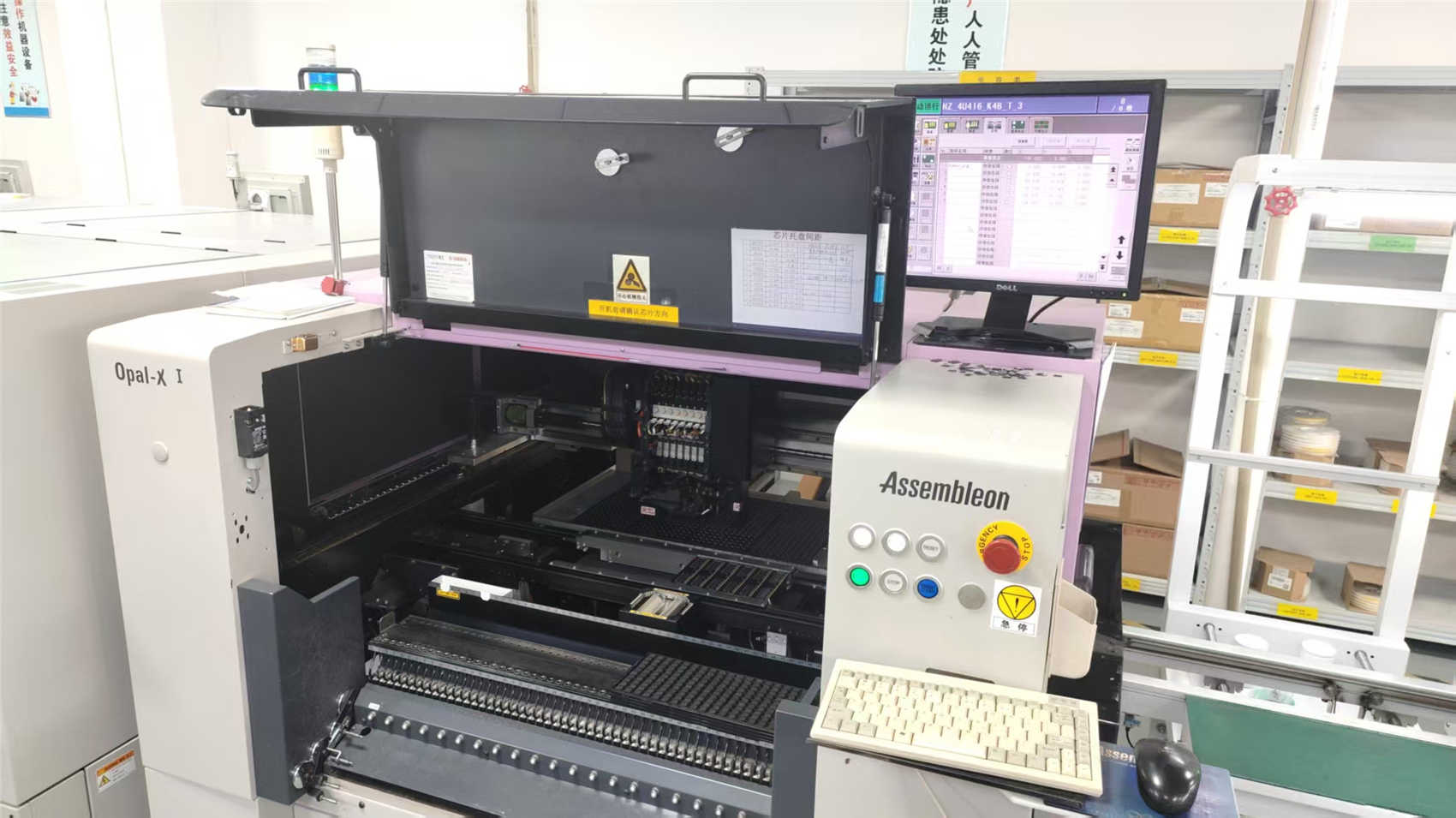
How discrete electrical and optical subsystems come together to ensure reliable data transmission past the 100-meter threshold.
Industrial Ethernet Extenders do not operate as standalone black boxes; they are systems built from integrated physical layer elements. Designing or sourcing components for these systems requires attention to three fundamental sub-assemblies:
| Sub-System Component | Primary Technical Function | Critical Engineering Metric | Zyqora Solution Highlight | |
|---|---|---|---|---|
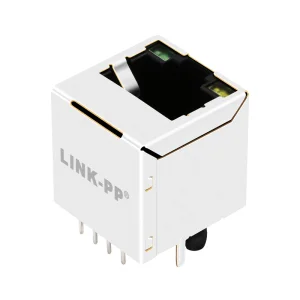
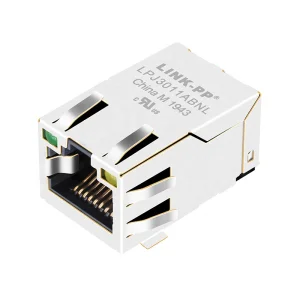
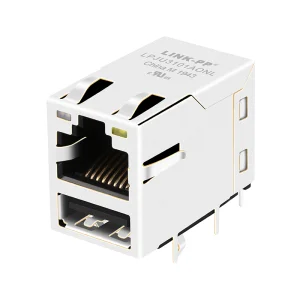
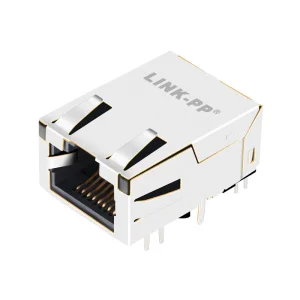
| RJ45 Magnetic Connectors | Combines physical Ethernet connection with high-voltage isolation transformer circuit. | 1500 Vrms Isolation, Return Loss < -12 dB at 100 MHz. | Low-profile, right-angle inverted connectors with integrated LEDs for compact designs. | |
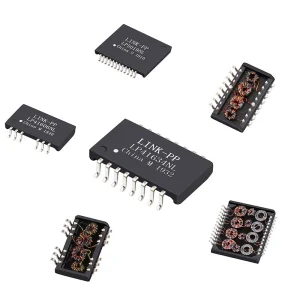
| Discrete Magnetic Transformers | Filters common mode noise and provides impedance matching on copper pairs. | Strict ANSI X3.263 alignment, high PoE+ (up to 30W/60W) thermal headroom. | TG1G-S012NZRL PoE+ and HST series 10/100/1000 Base-T transformers. | High reliability in hot environments. |
| Optical Transceiver Modules | Converts electrical data signals into light waves for fiber-optic links up to 80km. | Optical Power Budget (dB), Optical Waveform Mask Compliance. | Dual-rate 10G/25G SFP28 and 40G QSFP+ modules engineered for zero packet drop. | |
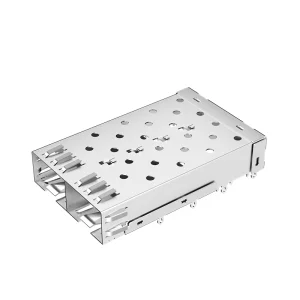
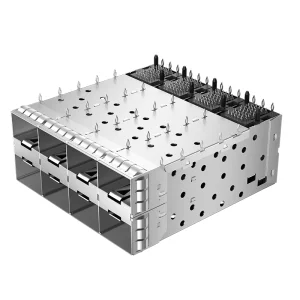
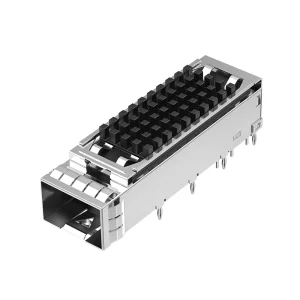
| SFP Cage Assemblies | Provides mechanical housing and EMI containment for hot-swappable I/O interfaces. | 360-degree EMI shielding gaskets, press-fit compliance. | Through-hole EMI shielded cages (1x2, 2x4 configurations) with optional heat sinks. |
How our global customers utilize Zyqora components in specialized long-distance networks.
The Challenge: Municipal cameras are placed at intersections hundreds of meters away from the nearest central control cabinet, making standard copper lines useless.
The Solution: Network switches utilizing high-power PoE+ discrete magnetic transformers (such as the TG1G-S012NZRL) allow copper lines to carry both data and power to remote cameras up to 500 meters away, eliminating the need to install local electrical lines.
The Challenge: Mining operations require data networks that run deep underground. The environment is highly humid, prone to physical vibration, and subject to high electrical noise from high-voltage boring equipment.
The Solution: Industrial media converters fitted with Zyqora's through-hole SFP cages and rugged 1000Base-ZX transceivers convert copper runs to fiber backhauls. This approach provides electrical isolation and ensures reliable communication over distances of up to 80km.
The Challenge: Heavy locomotives generate massive electromagnetic fields that can corrupt signal lines running along the railway.
The Solution: Rail-mounted Ethernet extension systems utilize Zyqora's low-profile, EMI-shielded modular jacks alongside high-grade discrete magnetic transformers. This design prevents signaling packet loss during train pass-by events, ensuring passenger safety.
Answers to common questions regarding impedance matching, isolation standards, and hardware selection for long-distance industrial networks.
Ensure secure signal transmission and robust physical interfaces with our verified high-speed optical transceivers and shielding products.
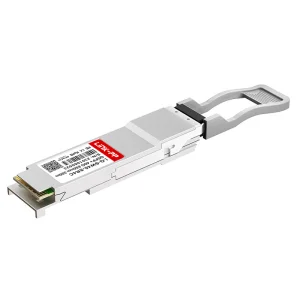
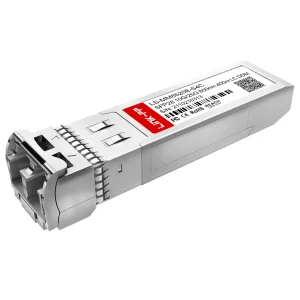
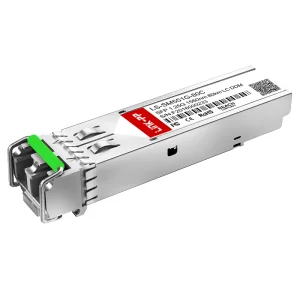
Get in touch with Zyqora's R&D engineering team to discuss custom pinouts, specialized EMI housing layouts, firmware compatibility programming, or high-density component designs.
Contact Our Engineering Office