Zyqora
Zyqora
Zyqora
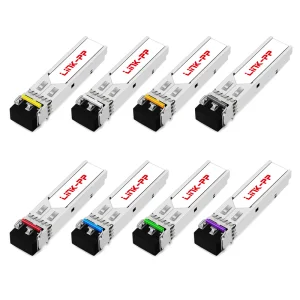
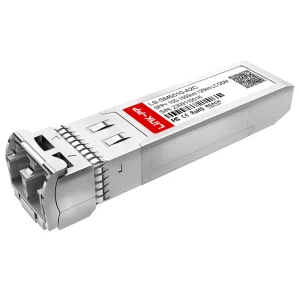
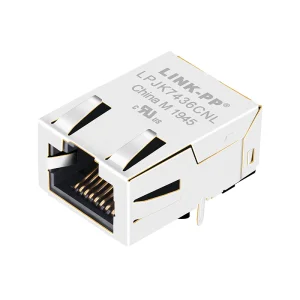
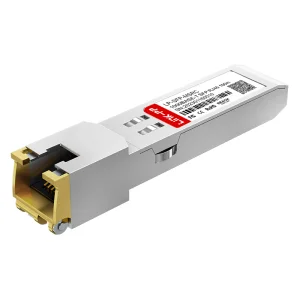
An in-depth whitepaper assessing the core engineering, manufacturing complexities, and distribution networks of China's premier patch panel factories.
In high-density IT systems, the patch panel serves as the static nervous center of structured cabling infrastructure. Unlike active components like switches and transceivers, a patch panel represents a passive connection point designed to maintain physical cable organization, eliminate port degradation on expensive active hardware, and allow technicians to rapidly route signals across networks. In the era of hyper-scale data centers, multi-gigabit enterprise networks, and automated manufacturing floors, patch panels are no longer simple metal brackets with punch-down blocks. They have evolved into precision-engineered, shielded systems designed to mitigate Crosstalk, handle high bandwidth limits, and seamlessly bridge copper with high-velocity fiber optic configurations.
From an architectural standpoint, patch panels are categorized based on their media adaptation (Category 5e, Cat6, Cat6A, Cat8, and Fiber Optic), spatial configurations (1U, 2U, or 4U rackmount), and grounding mechanisms (Shielded vs. Unshielded). Purchasing managers and infrastructure designers must assess these structural variations to prevent signal insertion losses and return-path interferences that can bottleneck the transmission capabilities of modern optical transceivers and high-speed switches.
Designed to support speeds up to 10G and 40G respectively over copper lines. Superior internal shielding minimizes Alien Crosstalk (AXT) in crowded rack environments.
Optimized for Ultra-High-Density fiber networks utilizing LC, SC, and MPO adapter panels. Provides physical routing infrastructure for multi-mode and single-mode optical runs.
Enables ultimate operational flexibility. Technicians can mix and match RJ45, fiber optic connectors, and coaxial inputs on a single 1U 24-port or 48-port frame.
Founded in 2016, Zyqora Optical Technologies Co., Ltd. is a professional manufacturer and supplier of high-performance optical transceivers and fiber connectivity solutions for global data center, telecom, enterprise network, and cloud computing applications.
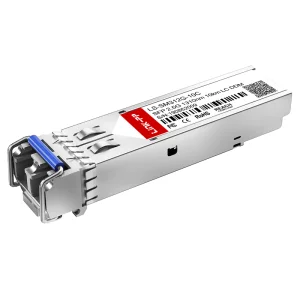
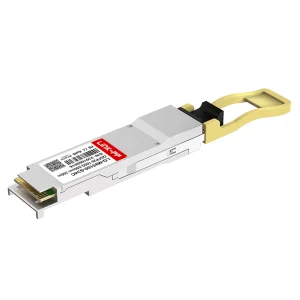
With a modern production facility covering 386 square meters, Zyqora specializes in the design, development, manufacturing, and testing of optical communication products, including SFP, SFP+, SFP28, QSFP28, QSFP-DD, OSFP, AOC, and DAC solutions. Our products are engineered to deliver reliable performance, scalability, and seamless compatibility with mainstream networking platforms.
Over the years, Zyqora has established a strong international presence, achieving annual export revenue exceeding USD 18 million. Backed by 8 years of export experience and 10 years of industry expertise, we serve customers across North America, Europe, Southeast Asia, the Middle East, and Latin America.
Quality is at the core of everything we do. Our manufacturing process is supported by comprehensive quality assurance procedures, including incoming material inspection, optical performance testing, aging tests, compatibility verification, and final product inspection. A dedicated team of 42 quality control professionals ensures that every product meets international standards and customer expectations.
As a company with both manufacturing and international trading capabilities, Zyqora has built a reliable supply network with more than 860 supply chain partners, enabling efficient sourcing, stable production, and flexible delivery schedules. Our primary customers include telecom operators, data center providers, system integrators, network equipment distributors, and enterprise IT solution providers worldwide.
To support evolving market demands, we maintain a strong research and development team focused on innovation and product optimization. Zyqora offers comprehensive OEM and ODM services, including customized labeling, firmware coding, packaging design, and product specification development. Last year alone, the company successfully launched 168 new products to meet the growing requirements of next-generation network infrastructures.
Our R&D department consists of 65 experienced engineers specializing in optical communication technologies, high-speed transmission systems, and network interoperability solutions. Through continuous innovation and strict quality management, Zyqora remains committed to providing cost-effective, reliable, and future-ready optical networking products for customers around the world.


How structural differences impact performance in extreme architectural, commercial, and industrial contexts.
Deploying networking infrastructure requires strict alignment with localized physical constraints. A patch panel configured for a climate-controlled enterprise data center will fail rapidly if deployed on a manufacturing plant floor or in a maritime terminal. Engineers must evaluate physical and electrical conditions before finalizing product specifications.
Here, spatial conservation is critical. Factories supply Ultra-High-Density (UHD) patch panels supporting up to 48 ports in a single 1U form factor. These panels incorporate angled designs, preventing patch cable strain and removing the need for horizontal cable management rings, thereby maximizing cabinet density.
Industrial setups require IP67-rated DIN-rail mounted patch panels. In automated factories, electromagnetic interference (EMI) from heavy machinery degrades copper signals. Therefore, shielded patch panels utilizing grounded zinc alloy casings are deployed alongside EMI-shielded active modules.
Small-to-medium offices deploy simple wall-mount hinge patch panels. These solutions offer easy access to rear terminations where full cabinet spaces are unavailable. Mixed copper/fiber hybrid panels are common here, combining primary internet fiber feeds with downstream RJ45 distribution.
Understanding the transition from traditional Category systems to intelligent physical layers and co-packaged optical systems.
As transmission protocols transition from 10G to 40G, 100G, and ultimately 400G/800G streams, passive layer physical hardware must keep pace. The technical development roadmap of leading Chinese patch panel factories is focused on two main shifts: the mainstream development of Cat8 copper systems and the integration of Intelligent Infrastructure Management.
Historically, copper networks were restricted by insertion loss at frequencies above 500 MHz. Cat8 patch panels, engineered for frequencies up to 2000 MHz, enable 25GBASE-T and 40GBASE-T networks over short runs (up to 30 meters), making them cost-effective solutions for switch-to-server connections in data centers. To support these frequencies, manufacturers have modified inner PCB contact configurations, utilizing advanced computational electromagnetics software to place compensating capacitors directly onto the jack's board layer.
Development of toolless keystone jacks and die-cast zinc frames to enable quick field terminations and robust grounding properties.
Incorporating LED status systems and RFID chips on patches to automatically map physical connection shifts in real-time management software.
Transitioning toward high-density MPO/MTP modular cassettes that support seamless single-mode conversion for 800G active transceivers.
| Cable Category | Max Frequency | Supported Speed | Shielding Type | Primary Application |
|---|---|---|---|---|
| Cat 5e | 100 MHz | 1 Gbps | UTP (Unshielded) | Legacy Networks |
| Cat 6 | 250 MHz | 1 Gbps (10G @ 37m) | UTP / STP | Standard Enterprise |
| Cat 6A | 500 MHz | 10 Gbps | STP (Shielded) | Modern Office / Server Room |
| Cat 8 | 2000 MHz | 25 / 40 Gbps | Fully Shielded (S/FTP) | Data Center Short-runs |
| Fiber (SM/MM) | N/A (Optical) | 100G / 400G+ | Non-conductive | Core Telecom Backbones |
An objective evaluation of the industrial clustering, automation levels, and supply networks driving the global structured cabling market.
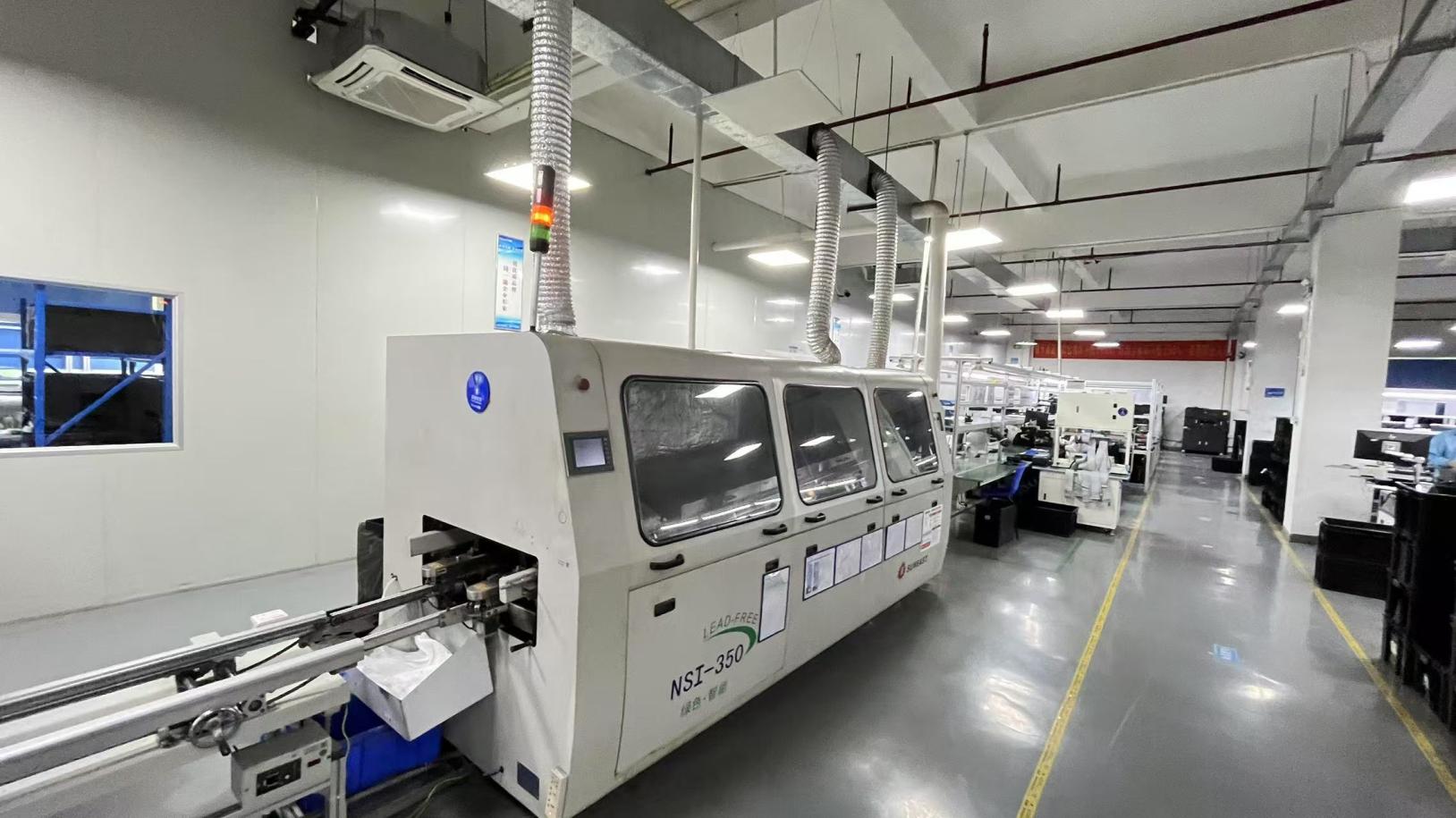
The global dominance of Chinese cabling manufacturers is rooted in highly integrated regional ecosystems. Cities in the Zhejiang and Guangdong provinces feature complete vertical integration. Within a single industrial park, factories have direct access to raw materials, polymer formulation labs, precision metal stamping facilities, and packaging suppliers. This proximity minimizes raw material transit costs and allows rapid design alterations based on OEM requirements.
For example, Zyqora’s network of over 860 supply chain partners allows the company to source and prototype custom patch panel components—such as specific spring wire pins or unique shielding foils—much faster than western competitors. This integrated ecosystem ensures that production lines remain operational even during supply shocks, providing continuous material access for mass production.
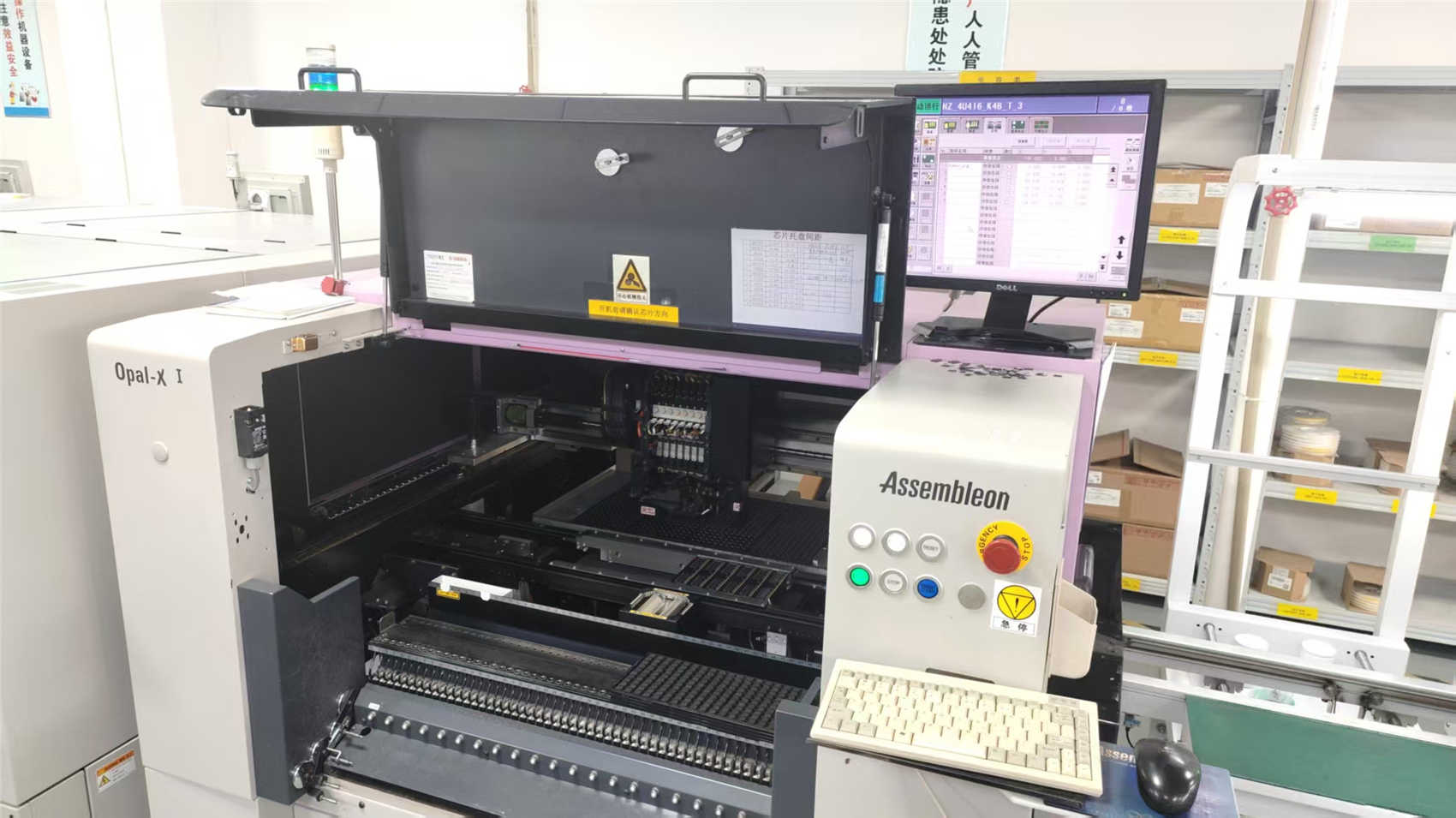
Furthermore, automated injection molding machines and high-speed stamping presses operate round-the-clock. This automation ensures precision, with tolerance levels within fractions of a millimeter. Precision is crucial for keystone jacks, where even slight misalignments in the RJ45 contact slot can cause high return loss and degrade structural cabling performance.
Assuring performance through rigorous international standardization and local integration frameworks.
Exporting patch panels and optical connectivity products globally requires compliance with regional safety, environmental, and performance standards. High-performance projects require certification to guarantee interoperability and safety under prolonged operating stress:
Through its rigorous QC team of 42 professionals, Zyqora subjects all custom and standard designs to international testing routines, ensuring compliance with global import regulations. This system compatibility ensures that when Zyqora's active optical modules are installed alongside modular patch panels in complex networks, the combined links perform reliably without signal loss.
Essential guidance for network architects and sourcing directors purchasing structured cabling systems and SFP solutions.