Zyqora
Zyqora
Zyqora
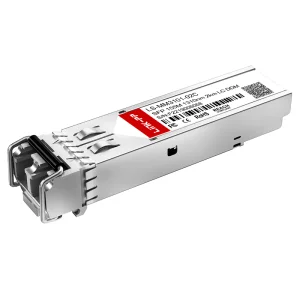
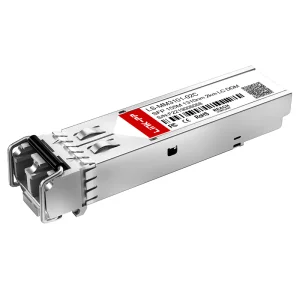
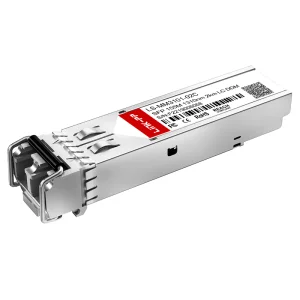
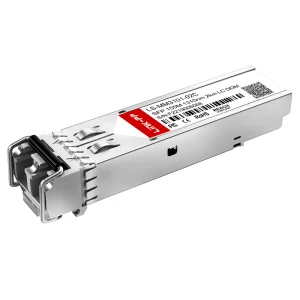
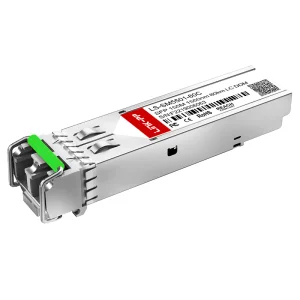
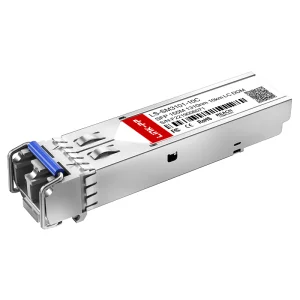
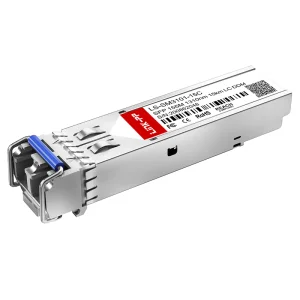
High-compatibility 155M optical transceivers engineered to integrate seamlessly into North American and global industrial frameworks.
Within the United States, telecommunication layouts represent a hybrid of next-generation multi-gigabit connections and highly critical, legacy-reliant communication frameworks. The demand for 155M (Fast Ethernet / STM-1 / OC-3) and 622M (STM-4 / OC-12) SFP modules remains exceptionally strong across defense communications, municipal railways, regional smart grids, and utility automation pipelines.
As utilities face strict Federal Energy Regulatory Commission (FERC) and NERC CIP cybersecurity guidelines, many legacy networks run on isolated copper-to-fiber conversions where low bandwidth options (such as 155M and 622M SFP transceivers) offer inherent safety profiles, deterministic packet routing, and lower RF signatures compared to active 10G/100G architectures.
Rather than replacing extensive dark fiber infrastructure, North American network administrators opt to extend the lifecycle of operational SDH/SONET systems. Our SFP modules provide this exact link, bridging historic industrial reliability with high-efficiency modern transceivers.
Designed to replicate original Moxa, Hirschmann, Cisco, and Juniper firmware behaviors perfectly, avoiding any configuration errors in legacy systems.
Integrated electromagnetic interference shielding protects high-frequency components inside power plants and automated transit lines.
How modern supply chains balance the requirement for long-term optical continuity with cost-effective manufacturing footprints.
Globally, metro-ethernet infrastructures and railway signal architectures run on legacy 155Mb/s interfaces. Keeping these active requires consistent supply lines of 155M/622M optical SFPs with reliable DDM capabilities.
Unlike temperature-controlled datacenters, standard industrial installations occur in outdoor traffic cabinets, wind turbines, and marine environments, requiring modules built for -40°C to 85°C ranges.
Compliance with the optical Multi-Source Agreement (MSA) guarantees plug-and-play mechanical and electrical interfaces across diverse hardware platforms without proprietary software locks.
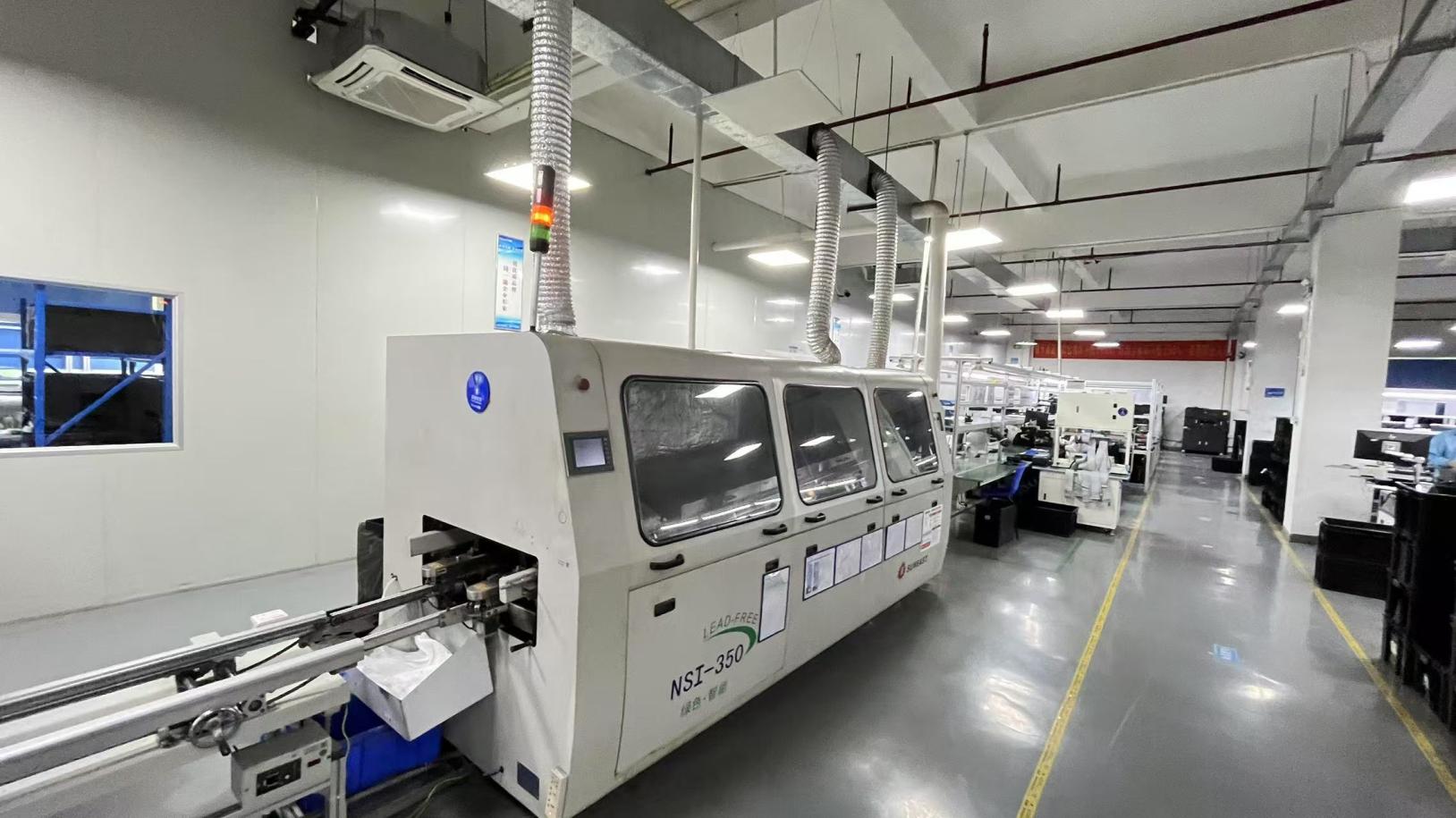
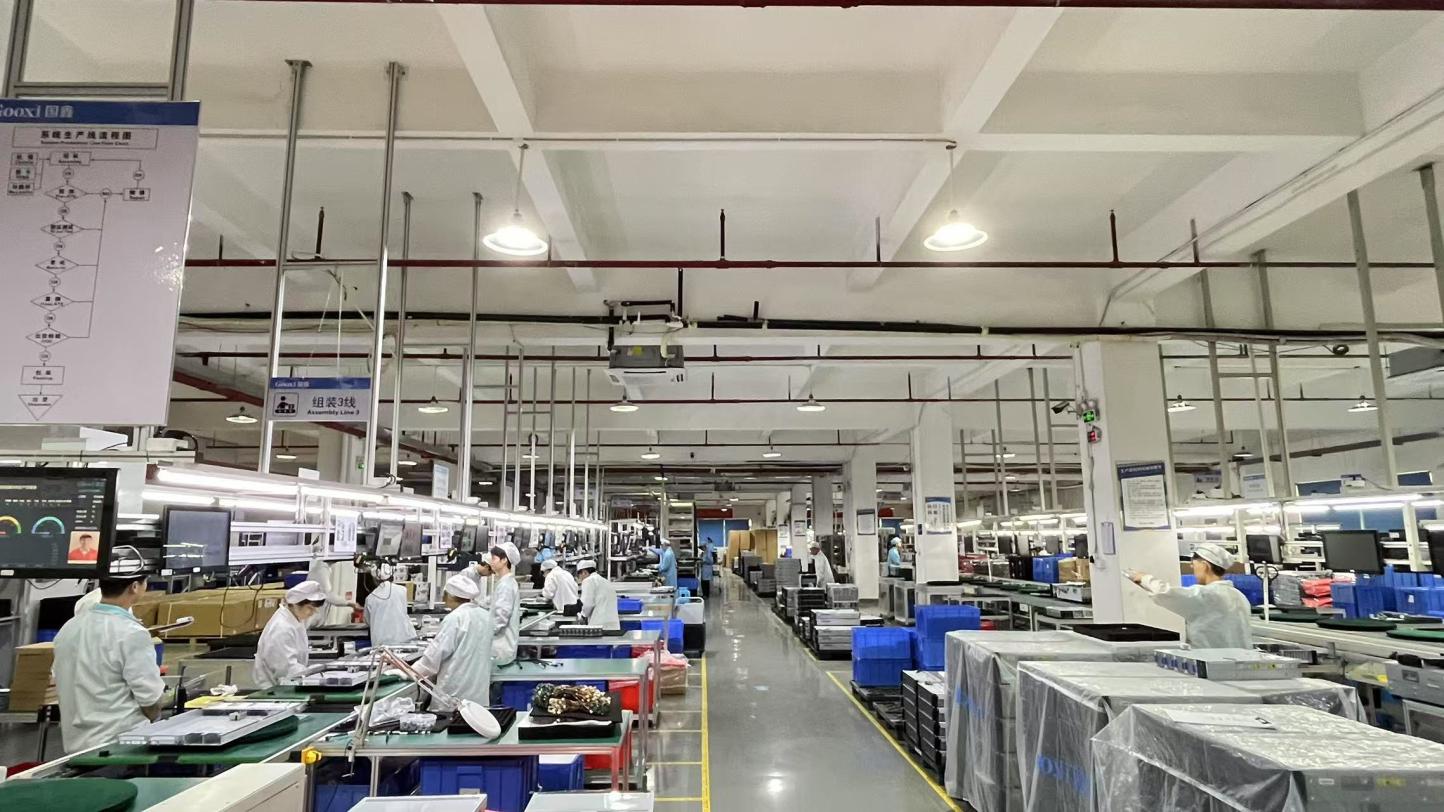
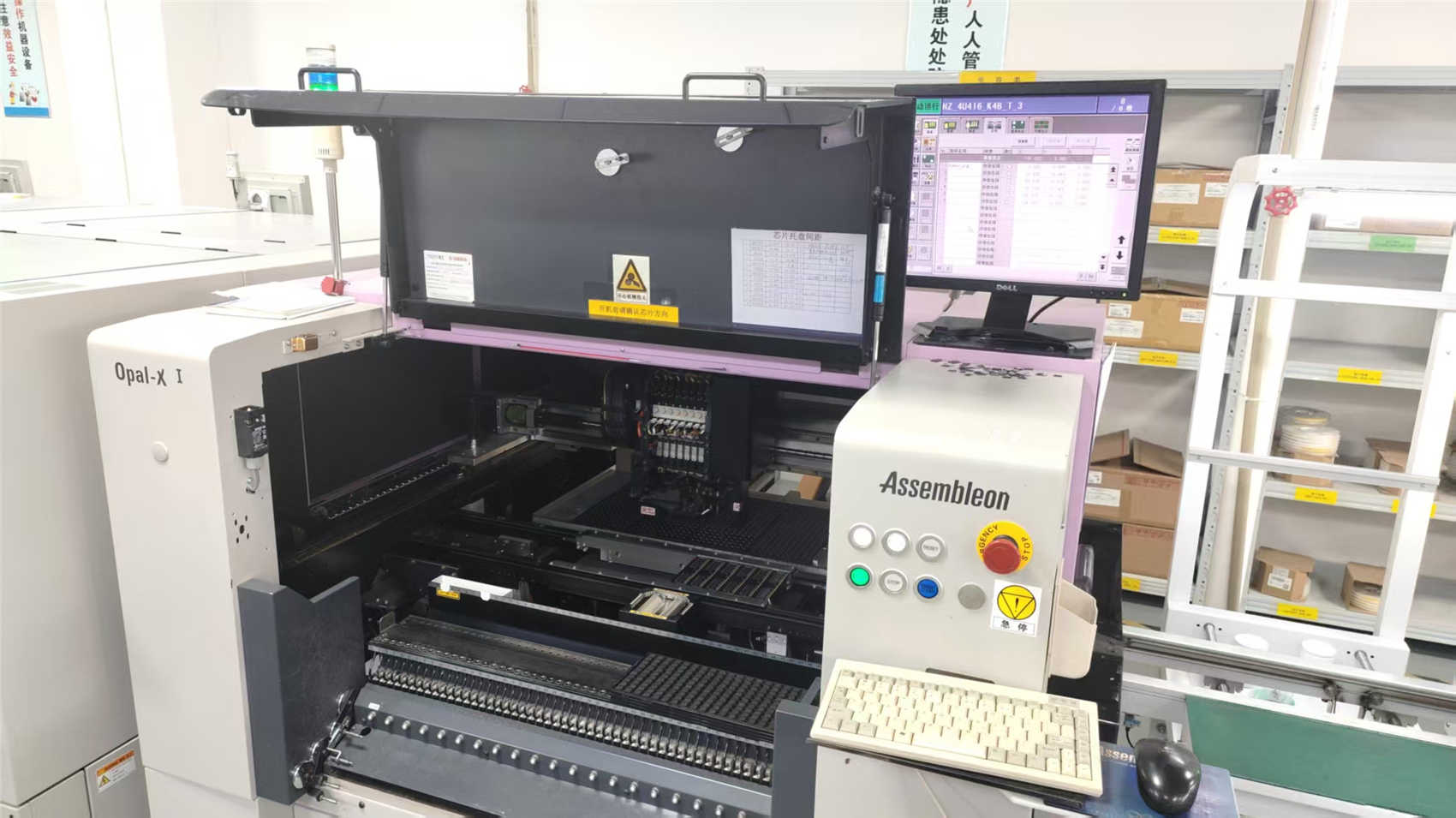
As a global manufacturer and exporter, Zyqora Optical Technologies Co., Ltd. leads in high-performance transceiver production. Operating a specialized 386 square meter testing and assembly facility, Zyqora ensures that even legacy products like the 155M/622M series undergo the same strict testing as 100G/400G transceivers.
With a massive database of over 860 supply chain partners, we secure high-grade optical transmitters (TOSA) and receivers (ROSA) at scale. This allows us to offer cost efficiencies that domestic US-based production lines struggle to match, without compromising quality.
Our R&D department features 65 experienced engineers focusing on cross-platform firmware interoperability. The 42-strong QC team guarantees every transceiver meets strict Bit Error Rate (BER) margins, and runs full thermal cycles to ensure fail-proof deployment.
Take a look inside our dust-free optical assembly cleanrooms, performance labs, and high-frequency compatibility testing arrays.

How electrical and automation engineers apply our legacy SFP modules across various domestic environments.
Many US sub-stations utilize legacy Hirschmann or Moxa switches. Our SFP modules ensure standard-compliant data transmission paths across local control hubs and protective relays over 2km multimode or 20km single-mode lines.
Pipelines require remote terminal units (RTUs) across hundreds of miles. Using 155M/622M single-mode transceivers, field operators link remote serial-to-fiber modems back to master stations with minimal packet loss and power draw.
Communications-Based Train Control (CBTC) systems in metro transit lines rely heavily on fiber networks for fail-safe signalling. High-noise environments require optical isolation that copper simply cannot provide.
Compare transmission properties, optical budgets, and optimal fiber types for your infrastructure layout.
| Interface Type | Fiber Mode | Wavelength | Max Distance | TX Power (dBm) | RX Sens. (dBm) |
|---|---|---|---|---|---|
| 100BASE-FX / Fast Ethernet | Multimode (MMF) | 1310nm | 2km | -20 to -14 | ≤ -32 |
| 100BASE-LX / STM-1 | Single-mode (SMF) | 1310nm | 15km | -15 to -8 | ≤ -34 |
| 100BASE-ZX / Single Mode | Single-mode (SMF) | 1550nm | 80km | -5 to 0 | ≤ -38 |
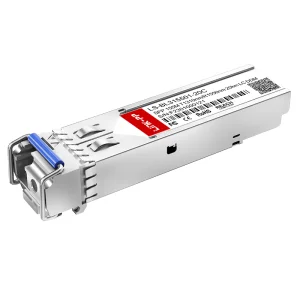
| BiDi Single Strand SFP | Single-mode (SMF) | 1310nm-TX/1550nm-RX | 20km | -14 to -8 | ≤ -32 |
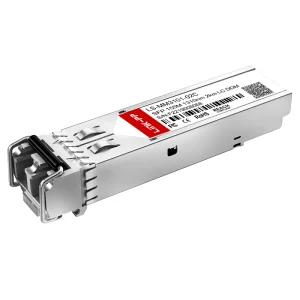
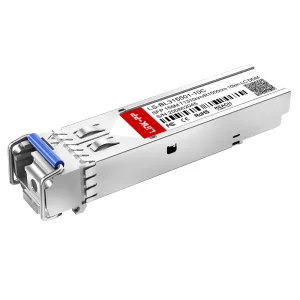
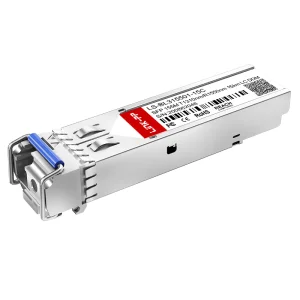
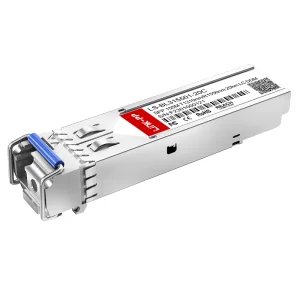
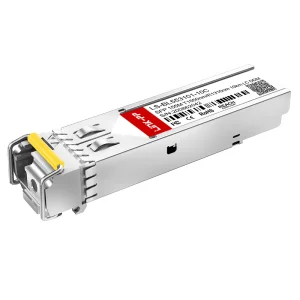
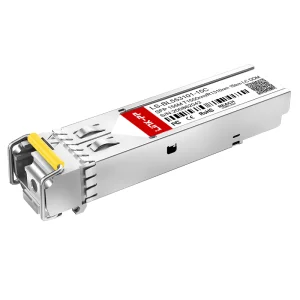
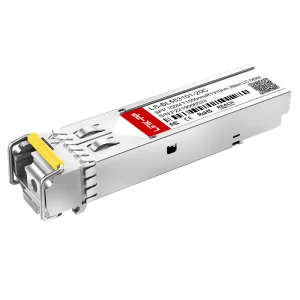
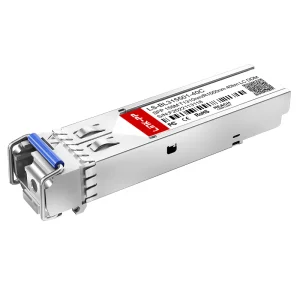
Explore our complete catalog of 155M/622M compatible optical modules, constructed to meet rigorous military, marine, and industrial network standards.
Get technical insights and integration details about our 155M & 622M SFP transceivers.