Zyqora
Zyqora
Zyqora
Underpinning international telecommunication pipelines with robust manufacturing capacities, precision hardware verification, and global supply systems.
Founded in 2016, Zyqora Optical Technologies Co., Ltd. has developed into a premier manufacturer and supplier of top-tier optical transceivers, high-density copper modular jacks, and advanced fiber connectivity solutions.
Operating a specialized, modern facility, we design and produce optical communication products alongside high-integrity copper modular connectors, including SFP, SFP+, SFP28, QSFP28, QSFP-DD, OSFP, AOC, and DAC solutions. Our physical architecture is optimized to deliver consistent transmission stability, high scalability, and cross-platform compatibility with major global networking systems.
With an export revenue exceeding USD 18 million annually, Zyqora serves telecom operators, enterprise data hubs, industrial automation firms, and international network distributors across North America, Europe, Asia-Pacific, the Middle East, and Latin America. Supported by 10 years of collective industry expertise, we build systems designed for resilience and performance under demanding environmental conditions.
Zyqora's operational framework relies on structured, multi-layer quality management. Our 42-member Quality Assurance division oversees a rigorous verification process, covering incoming material audits, physical dimension verification, optical power calibration, high-temperature aging cycles, host-compatibility testing, and automated optical inspections (AOI).
By integrating comprehensive testing protocols into our daily production workflow, we confirm that all copper interfaces and optical transceivers meet international compliance specifications, minimizing failure rates in the field.
How space constraints and EMI protection requirements are redefining copper physical interface architectures.
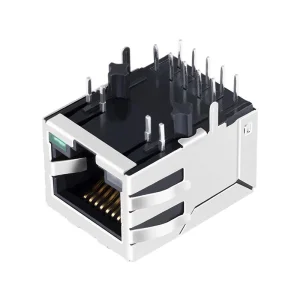
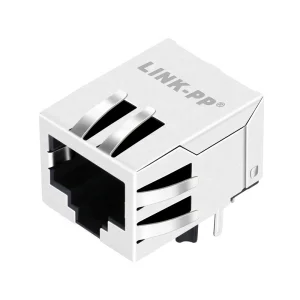
Standard RJ45 connectors require significant PCB surface area and height. In high-density environments like blade servers, network switches, and edge computing nodes, standard interfaces limit airflow and port counts. Mini RJ45 interfaces solve this challenge by reducing the total physical volume by up to 45%, enabling engineers to double the physical port density within a standard 1U chassis slot.
At high transmission rates (Cat6a, Cat7), high-frequency signals are highly vulnerable to internal and external EMI. High-quality Mini RJ45 modular jacks utilize wrap-around metal shielding and specialized grounding tabs. This architecture isolates individual lines, minimizing crosstalk and maintaining clean signal waveforms even in noisy environments.
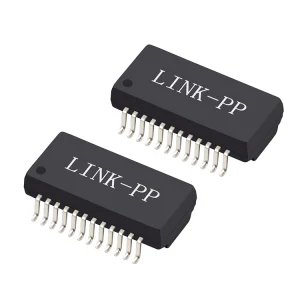
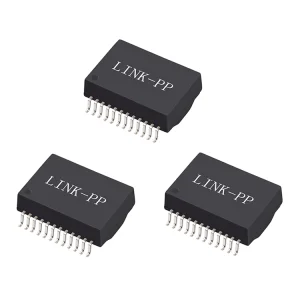
Integrating isolation transformers and common mode chokes directly inside the connector housing eliminates the need for separate PCB magnetics. This saves up to 50% of PCB real estate behind the connector while providing electrical isolation, transient protection, and noise cancellation for the physical layer (PHY) chip.
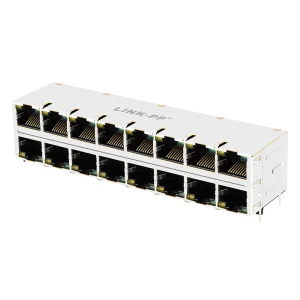
When selecting copper connectivity components, network design engineers must choose between modules with integrated magnetics (such as the Tyco 1840434-5) and those without (like the SS73100-047F 2x8 port shielded connector). Models with integrated magnetics provide essential galvanic isolation and noise suppression directly at the interface, protecting the PHY chip from surges. Non-magnetic connectors are suited for applications where the isolation circuits are already integrated on the main system board, offering a simplified component path and reduced individual connector costs.
Integrating copper interconnects, high-speed SFP cages, and optical transceivers into unified network infrastructures.
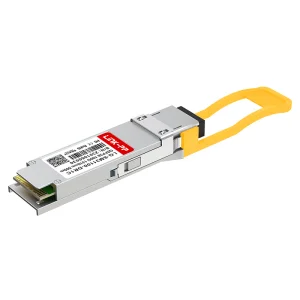
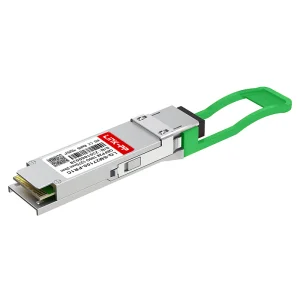
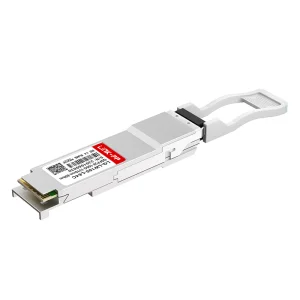
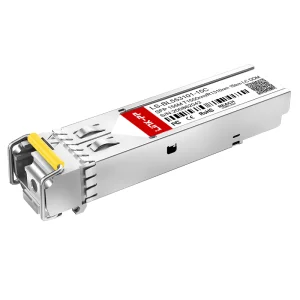
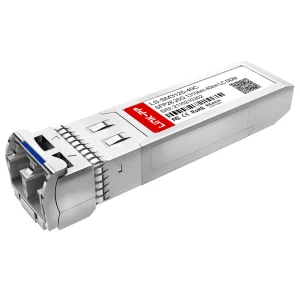
In modern data centers, high-capacity, low-latency transmission is crucial. High-speed transceivers, such as the 100GBASE-DR, 100GBASE-FR, and long-range 100GBASE-ER4 QSFP28 modules, enable efficient leaf-spine scaling. They provide stable fiber links between switch layers, supporting consistent throughput for heavy data workloads.
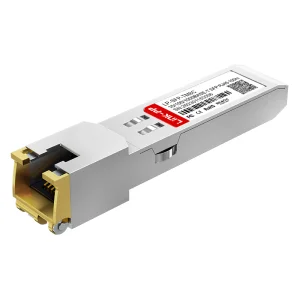
Industrial automation relies on robust physical interfaces. Components like the MOXA SFP-1GTXRJ45-T compatible SFP provide reliable copper Gigabit connections over extended temperature ranges. Protected by rugged metal housings, these modules deliver stable data transmission in high-vibration and electrically noisy environment settings.
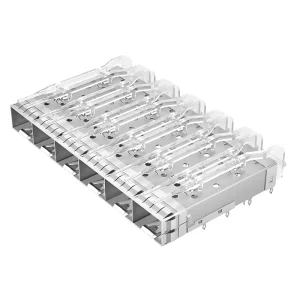
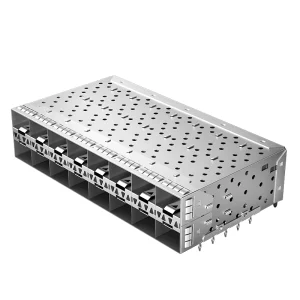
Telecom central offices require dense port counts and clean signal paths. The integration of multi-port shielded SFP cages, such as the 2169788-1 2x8 port press-fit SFP+ cage, allows carriers to maximize input/output densities. These shielded cages maintain signal integrity, manage thermal dissipation, and control EMI across high-density line cards.
Modern network architectures require a balanced integration of both copper and fiber technologies to optimize performance and efficiency:
Technical parameters demonstrating the high quality, mechanical reliability, and signal accuracy of our hardware.
To guarantee reliable performance in high-speed datacom pipelines, Zyqora connectors and transceivers are engineered to meet strict electrical, mechanical, and material standards. Standard modular jacks use contact pins with 50 micro-inches of gold plating over nickel barriers. This treatment prevents contact oxidation, minimizes wear over repeated matings, and maintains low contact resistance.
Our SFP cages, including TE-compatible press-fit variations like the 2007250-1 1x6 port cage, utilize premium copper alloys with nickel and tin platings. These materials provide low contact resistance and help prevent corrosion, ensuring long-term grounding contact with the PCB ground plane.
We run extensive validation tests on all product lines. Using vector network analyzers (VNAs) and time-domain reflectometers (TDRs), our engineers measure insertion loss, return loss, and near-end crosstalk (NEXT) across operating frequencies. These steps ensure every connector satisfies the signal integrity requirements of Gigabit Ethernet and high-speed fiber channels.
Zyqora aligns its processes with global quality frameworks to support smooth import, distribution, and installation.
Our products conform to major environmental and safety directives, including CE, RoHS, and REACH. This ensures all components are free from restricted hazardous materials and meet international safety regulations for deployment in key global markets.
Drawing on relationships with over 860 supply partners, Zyqora maintains steady raw material access and stable production schedules. We provide flexible freight and customs documentation to ensure reliable delivery times for international customers.
Our field application engineers (FAEs) assist clients with hardware integration, firmware compatibility, and mechanical layout design. By addressing technical challenges early in the design cycle, we help accelerate product development and deployment.
Developing systems that support the transition to 400G and 800G transmission speeds.
As modern networks demand higher bandwidth, legacy 1G and 10G interfaces are migrating toward 25G, 100G, and 400G configurations. Our roadmap focuses on developing interconnect components designed for high-density, low-latency applications. This includes multi-port SFP28/QSFP28 cages featuring integrated thermal pipes and EMI gaskets to support reliable high-speed data transmission.
| Deployment Phase | Target Architectures | Applicable Interconnect Tech | Primary Technological Objective |
|---|---|---|---|
| Phase I (Current Era) | 10G / 25G / 100G Data Centers | SFP28, QSFP28 (DR/FR), 2x8 SFP+ Cages | Optimizing EMI shielding and improving board-level layout densities. |
| Phase II (Mid-Term) | 200G / 400G Enterprise & Edge Nodes | QSFP-DD, OSFP Modules, Integrated Magjacks | Improving thermal dissipation structures and reducing crosstalk. |
| Phase III (Long-Term) | 800G+ High-Performance Computing (HPC) | Co-Packaged Optics (CPO), Multi-Port SPE | Optimizing physical dimensions and minimizing electrical-to-optical conversion latencies. |
Detailed technical explanations addressing common integration, specification, and implementation questions.
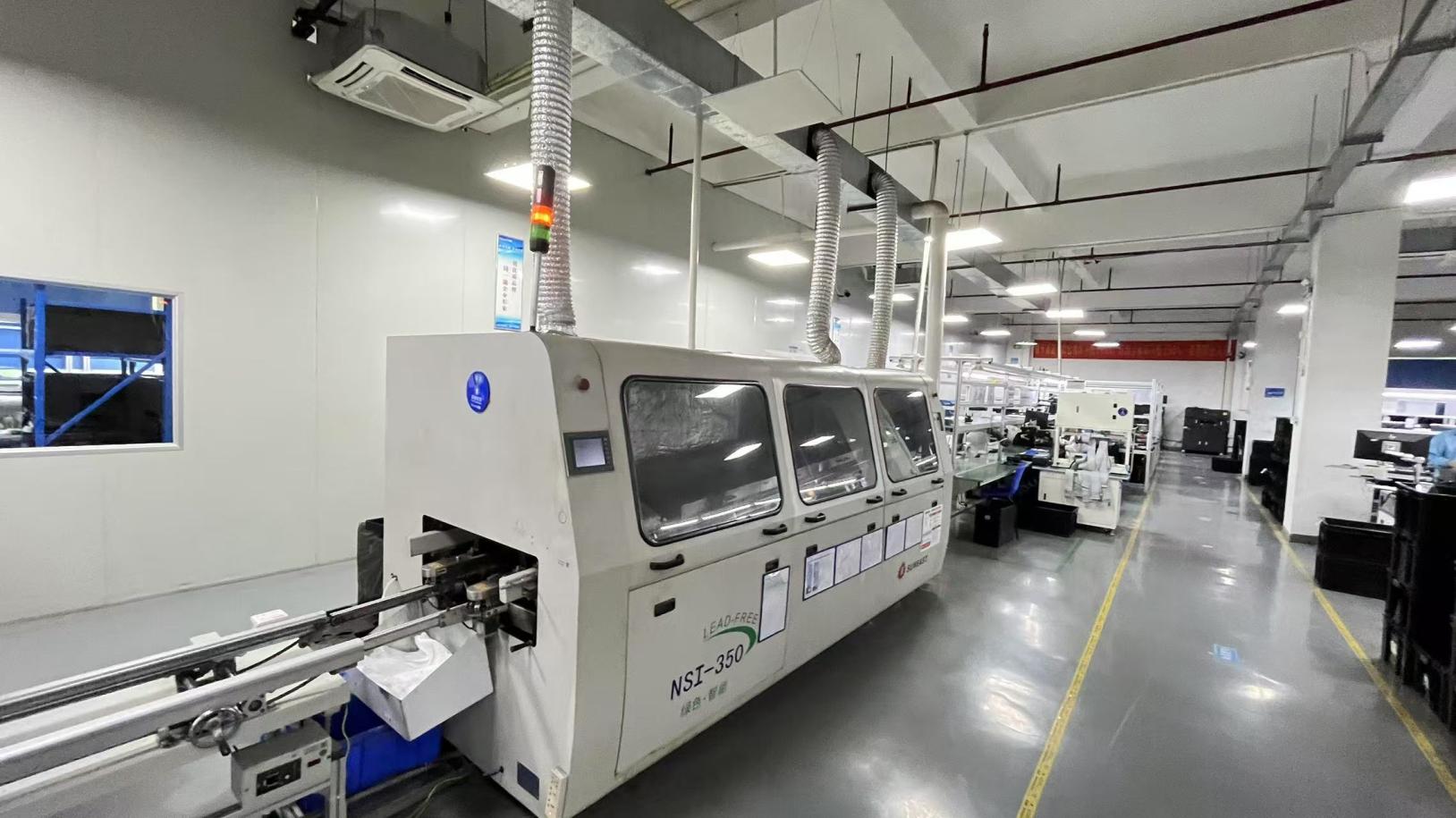
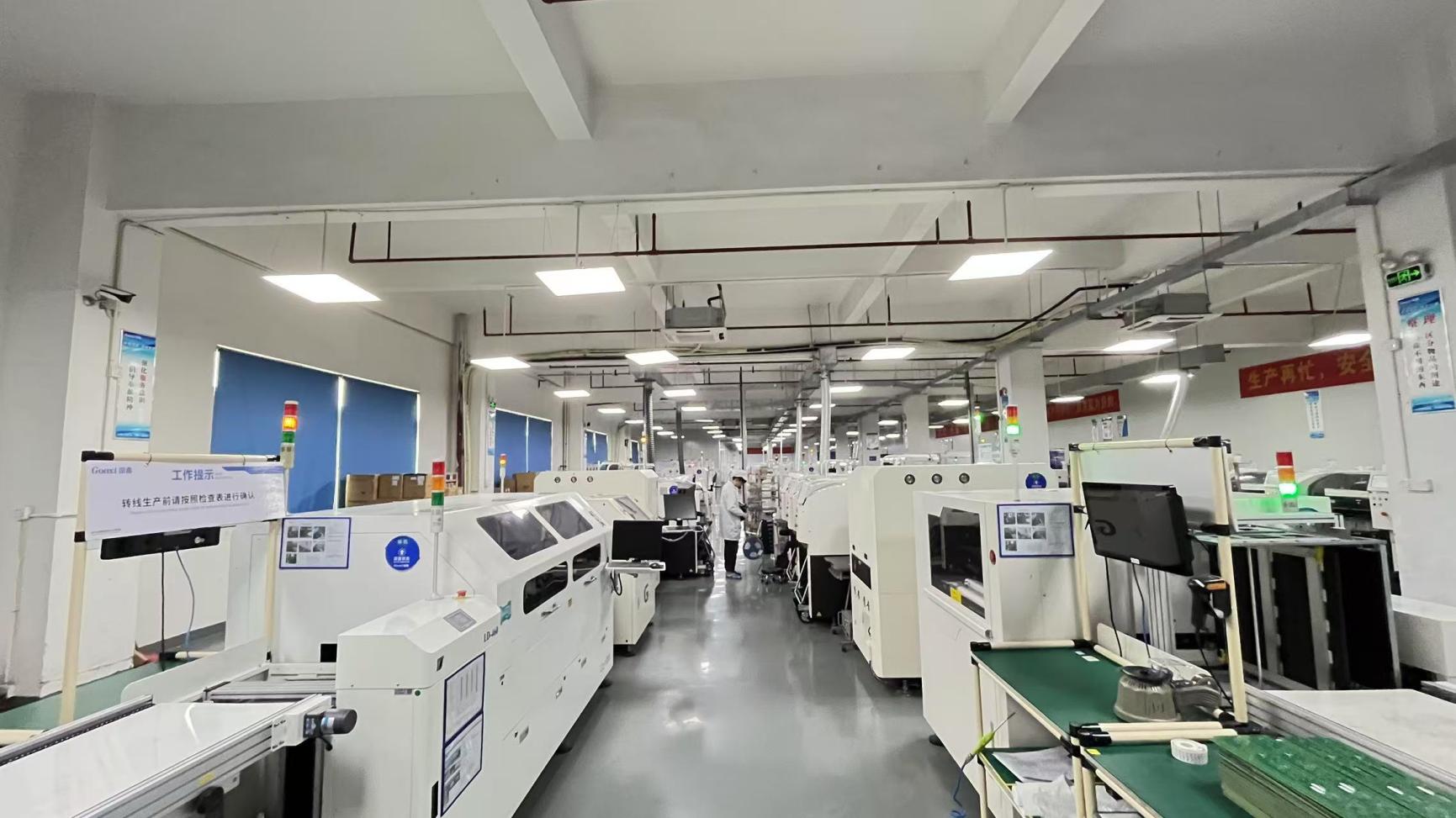
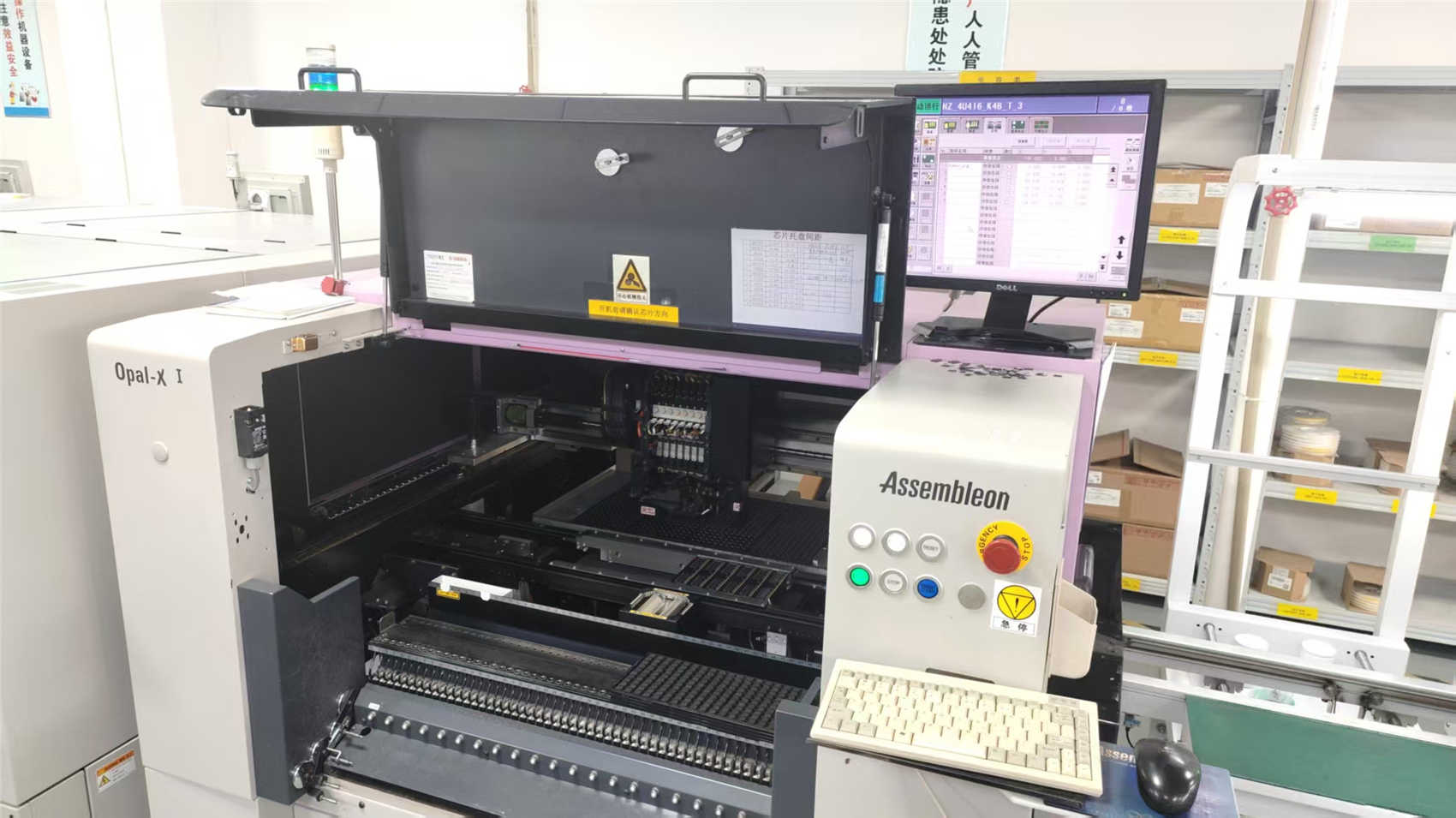
Inside our manufacturing workshops, testing suites, and assembly cleanrooms.