Zyqora
Zyqora
Zyqora
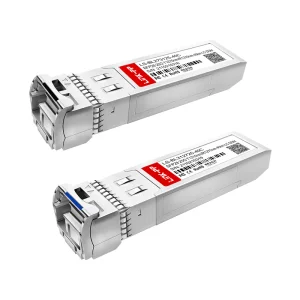
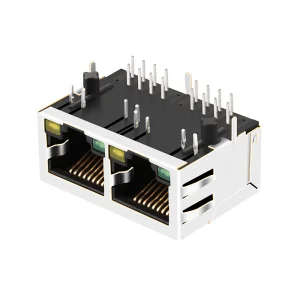
In the era of hyper-scale data centers, artificial intelligence routing architectures, and industrial automation (Industry 4.0), copper and fiber cabling infrastructure serve as the nervous system of modern society. Category 6 (Cat6) cabling remains a key foundation of global local area networks (LANs) and enterprise networking. Designed to support data transmission speeds up to 10 Gbps at a bandwidth frequency of 250 MHz, Cat6 standards provide a cost-effective, high-reliability medium for connecting millions of workstations, server nodes, switches, and industrial IoT actuators.
At the macro-industrial level, structured cabling systems face more complex challenges. In dense factories and multi-tenant smart buildings, electromagnetic interference (EMI) can severely degrade signal integrity. This is where advanced manufacturing steps in. Leading Cat6 manufacturers focus not only on drawing high-purity, oxygen-free copper (OFC) cores but also on developing advanced physical shielding methodologies (such as F/UTP, S/FTP, and U/FTP architectures) to reduce Near-End Crosstalk (NEXT) and Far-End Crosstalk (FEXT).
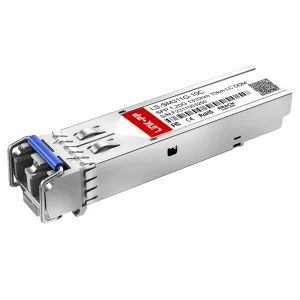
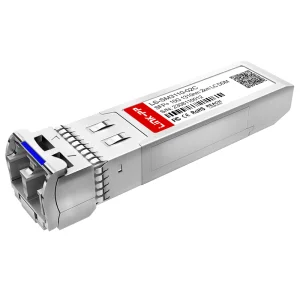
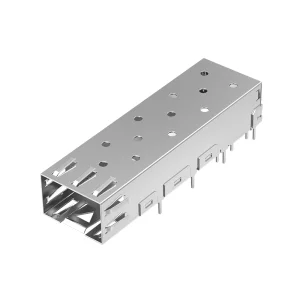
As systems scale, copper infrastructures must integrate smoothly with high-speed fiber backbones. Modern architectures rely on SFP transceivers, media converters, and modular RJ45 patch panels to bridge copper-based edge devices with 25G, 100G, and 400G optical cores. For systems integrators, purchasing directly from qualified manufacturers ensures compliance with strict international performance certifications like ISO/IEC 11801, TIA-568.2-D, and UL safety standards.
Supporting high wattage requirements for IP surveillance, smart lighting systems, and modern Wi-Fi 6E/7 access points via optimized copper conductors.
Engineered with 99.99% oxygen-free copper, lowering electrical resistance and attenuation to maximize transmission distance and stability.
Minimizes NEXT/FEXT and alien crosstalk (ANEXT) via precise pair-twisting configurations, physical spline dividers, and foil shields.
The networking industry is evolving from isolated technologies to a more unified ecosystem. Historically, copper installations and optical transmission systems were designed and installed independently. Today, modern networks rely on a unified architectural approach. Network design is moving toward a hybrid copper-to-fiber integration, combining the high speed and long reach of fiber optics with the cost efficiency and easy deployment of copper.
Rather than replacing entire structured cabling setups, businesses are leveraging 2.5GBASE-T and 5GBASE-T protocols (IEEE 802.3bz) to deliver speeds beyond 1 Gbps over their existing Cat6 cabling. This trend extends the lifecycle of current installations while supporting higher throughput for enterprise wireless systems, storage nodes, and server racks without the cost of rewiring.
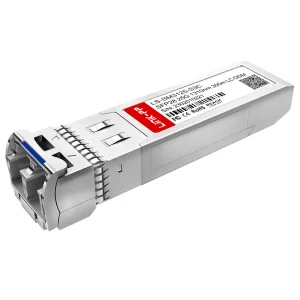
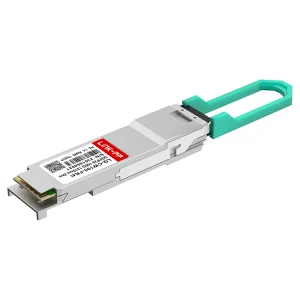
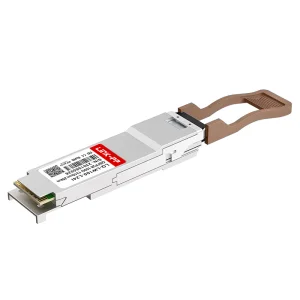
Industrial installations increasingly use fiber optic links (such as QSFP28 100G and SFP28 25G transceivers) for long-distance trunk lines between buildings and distribution centers. These optical highways then connect to high-density RJ45 magnetic modules and shielded Cat6 cords to distribute local connectivity to end-user systems. This setup provides high speeds, electrical isolation, and low latency across the entire network.
Outdoor networks for public traffic systems, 5G small cells, and municipal surveillance need rugged cables built to withstand harsh environments. Cat6 manufacturers are meeting this need by producing direct-burial cables made with UV-resistant polyethylene (PE) jackets and water-blocking gel, ensuring reliable performance in extreme weather conditions.
Modern structured cabling requires customized approaches tailored to different industries. Deployments must adapt to specific electrical, structural, and environmental challenges to ensure reliable connectivity.
Modern hospitals rely on low-latency connections to process medical imaging, update EHR databases, and support real-time telehealth. In these environments, hospitals install double-shielded (SFTP) Cat6 cabling alongside EMI-filtered RJ45 jacks in imaging rooms to prevent interference from MRI and X-ray machinery. Riser and plenum jackets are also utilized to comply with strict hospital building safety regulations.
Large distribution centers rely on continuous connectivity for barcode scanners, robotic sorting systems, and conveyor belts. Heavy motors and moving components can create electrostatic discharge (ESD) and physical vibrations that disrupt networks. To protect these setups, engineers use industrial-grade RJ45 modular jacks, shielded cables, and rugged transceivers to keep warehouse control systems running smoothly.
For high-frequency trading and secure banking networks, data integrity and physical space efficiency are critical. Operators install high-density magnetic RJ45 connectors and space-saving, slim Cat6 patch cords to maximize airflow in server racks. Additionally, low-insertion-loss 100G QSFP28 and 25G SFP28 transceivers are used for core uplinks to prevent packet loss and latency.
The network physical layer is evolving to support higher speeds, wider bandwidths, and greater efficiency. Keeping up with these changes is essential for keeping systems ready for future upgrades.
Our engineering team outlines the developmental milestones of the modern connectivity ecosystem below:
1. Material Optimization (Conductors & Shielding): Moving from traditional copper clad aluminum (CCA)—which can overheat under heavy PoE loads—to 100% solid bare copper conductors. Improvements in metal foil thickness and pair-twist consistency help manage signal loss at frequencies up to 500 MHz and 600 MHz.
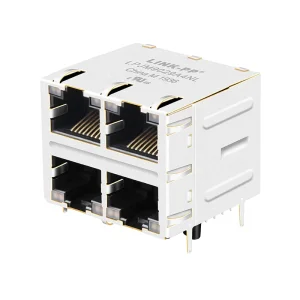
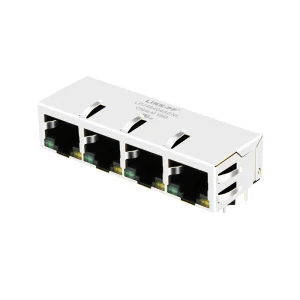
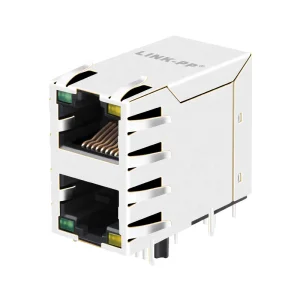
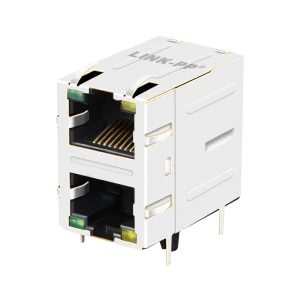
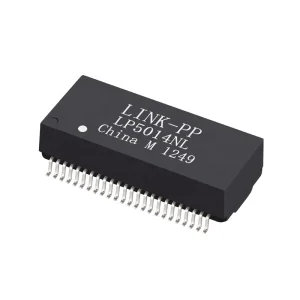
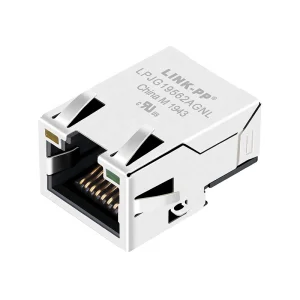
2. Component Integration (Integrated Magnetics): Modern network cards and hardware switches use RJ45 jacks with integrated magnetics (Magjacks). By integrating transformers and common-mode chokes directly into the connector, these modules filter electromagnetic noise, prevent voltage spikes, and save physical space on the PCB layout.
3. Energy Efficiency & Green Cabling: High-power PoE systems generate heat within dense cable bundles, which increases resistance and limits transmission distance. Future standards focus on optimizing cable design to improve heat dissipation, reducing energy consumption and carbon emissions across enterprise network systems.
Founded in 2016, Zyqora Optical Technologies Co., Ltd. is a professional manufacturer and supplier of high-performance optical transceivers and fiber connectivity solutions for global data center, telecom, enterprise network, and cloud computing applications.
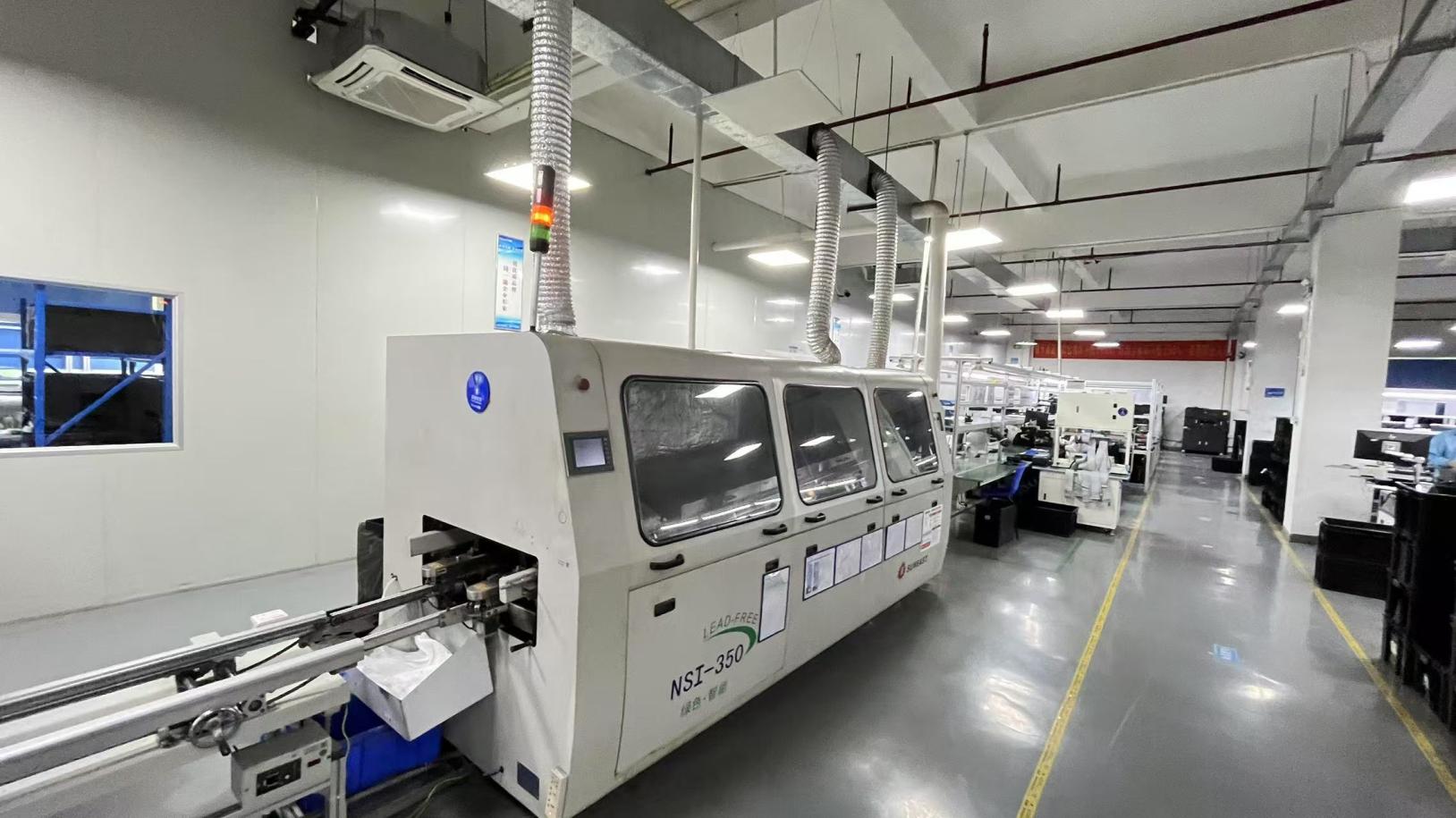
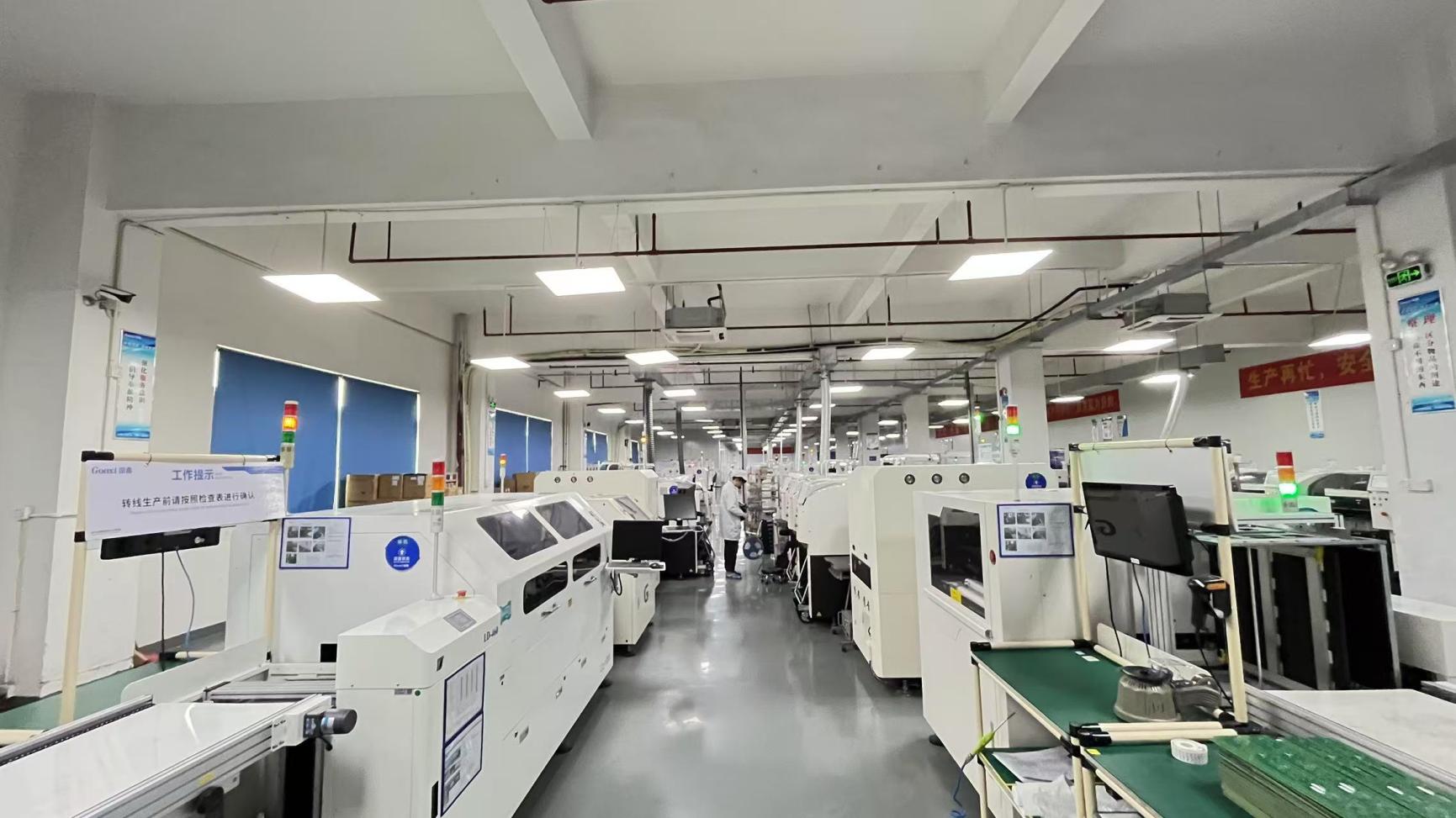
With a modern production facility covering 386 square meters, Zyqora specializes in the design, development, manufacturing, and testing of optical communication products, including SFP, SFP+, SFP28, QSFP28, QSFP-DD, OSFP, AOC, and DAC solutions. Our products are engineered to deliver reliable performance, scalability, and seamless compatibility with mainstream networking platforms.
Over the years, Zyqora has established a strong international presence, achieving annual export revenue exceeding USD 18 million. Backed by 8 years of export experience and 10 years of industry expertise, we serve customers across North America, Europe, Southeast Asia, the Middle East, and Latin America.
Quality is at the core of everything we do. Our manufacturing process is supported by comprehensive quality assurance procedures, including incoming material inspection, optical performance testing, aging tests, compatibility verification, and final product inspection. A dedicated team of 42 quality control professionals ensures that every product meets international standards and customer expectations.
As a company with both manufacturing and international trading capabilities, Zyqora has built a reliable supply network with more than 860 supply chain partners, enabling efficient sourcing, stable production, and flexible delivery schedules.
Our primary customers include telecom operators, data center providers, system integrators, network equipment distributors, and enterprise IT solution providers worldwide. To support evolving market demands, we maintain a strong research and development team focused on innovation and product optimization.
Zyqora offers comprehensive OEM and ODM services, including customized labeling, firmware coding, packaging design, and product specification development. Last year alone, the company successfully launched 168 new products to meet the growing requirements of next-generation network infrastructures. Our R&D department consists of 65 experienced engineers specializing in optical communication technologies, high-speed transmission systems, and network interoperability solutions. Through continuous innovation and strict quality management, Zyqora remains committed to providing cost-effective, reliable, and future-ready optical networking products for customers around the world.

Under standard operating conditions defined by TIA-568 standards, Cat6 copper cabling supports 10GBASE-T data speeds up to a maximum distance of 55 meters (180 feet). This performance is highly dependent on the layout environment; to reach the full 55-meter distance at 10G, alien crosstalk (ANEXT) must be kept to a minimum. For longer distances up to 100 meters at 10G speeds, engineers recommend upgrading to Category 6A (Cat6A) or utilizing optical transceiver extensions.
RJ45 connectors with integrated magnetics (often called Magjacks) combine the physical connector port with the electrical components of an Ethernet transformer block. They provide electrical isolation (protecting sensitive transceiver chips from high voltages on the cable), filter out electromagnetic interference (EMI), and maintain impedance matching to ensure clean, error-free data transmission.
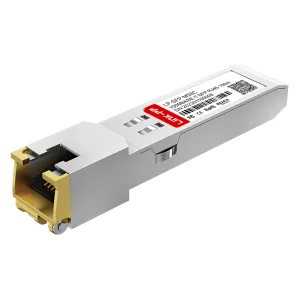
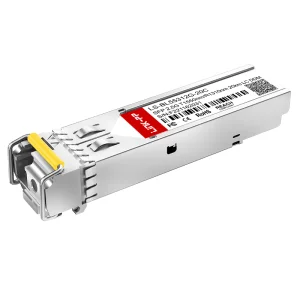
Within enterprise and data center architectures, media converters or switch backplanes act as the bridge. A high-speed optical module (such as a 100G QSFP28 or a 25G SFP28 transceiver) manages transmission across the network backbone over long distances. At the local switch, this signal is converted and routed to individual device interfaces using copper connections like SFP-to-RJ45 transceivers, shielded patch panels, and Cat6 patch cables.
Solid bare copper has much lower DC resistance than copper clad aluminum. When running high-power PoE (up to 90W under the IEEE 802.3bt standard), CCA cables generate excessive heat, which increases signal loss and can create fire hazards in dense cable bundles. Solid copper conductors handle high current levels safely, keeping voltage drops to a minimum and ensuring stable power delivery to connected devices.
Zyqora offers extensive custom OEM/ODM services to meet specific network architecture requirements. This includes customized labeling, firmware coding for compatibility with different hardware platforms, custom package designs, and bespoke product specifications. Our R&D team of 65 engineers can design, prototype, and manufacture custom transceivers, RJ45 ports, and copper interfaces to match your system design.