Zyqora
Zyqora
Zyqora
Engineered for low-clearance, high-reliability telecom and computing platforms
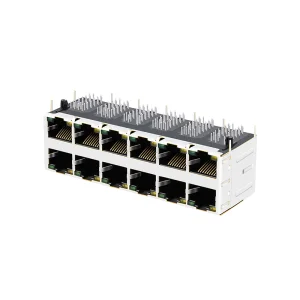
In the rapidly transforming landscape of global computing and industrial telecommunications, physical footprints have become a critical design bottleneck. Standard RJ45 modular jacks, which once stood as the default connectivity interface for local area networks (LANs), are increasingly hitting space-limitation barriers in next-generation hardware designs. The industry’s push toward thin-client architectures, multi-tenant blade servers, dense IoT controllers, and ruggedized edge computing devices has mandated the integration of **Low Profile Ethernet Jacks**.
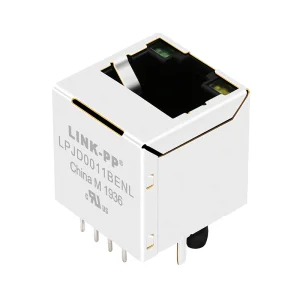
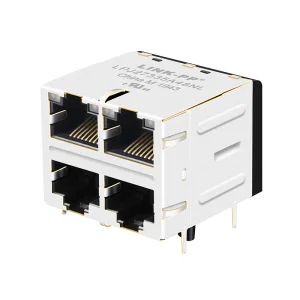
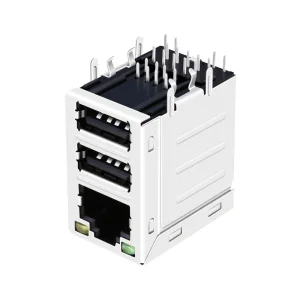
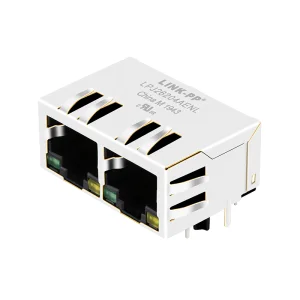
A low profile Ethernet jack minimizes the overall height profile of the PCB connector—often down to sub-10mm levels—allowing designers to build high-density cards, small form factor (SFF) devices, and extremely slim server enclosures. Rather than utilizing traditional tall, blocky connectors, engineers specify low-profile jacks that lie closer to the substrate or are partially recessed into the printed circuit board (mid-mount or sink-mount). This architectural adaptation directly supports optimized airflow within server chassis, minimizes mechanical stress in low-clearance enclosures, and enables clean, parallel card stackups in modular computing systems.
According to current market intelligence, the demand for modular connectors with a mated height of less than 11.5 mm is growing at an annual rate of 8.4% globally. As power densities rise, particularly within Edge AI deployment enclosures, every millimeter saved translates to improved thermal management. A low-profile configuration reduces the aerodynamic block profile inside the chassis by up to 35%, ensuring uninterrupted cross-flow ventilation.
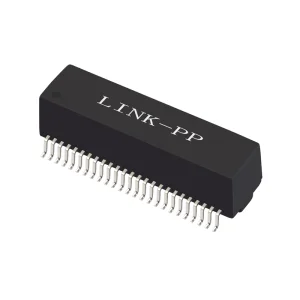
Simultaneously, reducing the physical dimensions of the socket must not degrade electrical performance. Modern low-profile Ethernet jacks are engineered to maintain—and often exceed—the signal integrity required for high-speed protocols. With the integration of advanced EMI shielding designs, internal magnetic elements (MagJacks/integrated magnetics), and support for Power over Ethernet (PoE and PoE+), these components represent a pinnacle of micro-electromechanical integration. By consolidating isolation transformers, common-mode chokes, and LEDs within a miniature, shielded metal housing, manufacturers protect vital digital circuitry from both electromagnetic interference and cross-talk.
How Engineering Teams and Procurement Officers Vet Low-Profile Jack Suppliers
Evaluate Surface Mount Technology (SMT) vs. Through-Hole Technology (THT) depending on the board density and mechanical shear-force requirements. SMT offers maximum layout efficiency but requires highly durable LCP plastics capable of enduring reflow soldering temperatures of up to 260°C.
Specify the gold-plating thickness on mating contact zones (e.g., 3μ", 6μ", 15μ", 30μ", or 50μ" gold over nickel). For telecom-grade infrastructure, a minimum of 50μ" is required to prevent oxidation, contact resistance buildup, and degradation over 750+ insertion cycles.
Analyze the brass or nickel-silver alloy shielding shell, looking for additional EMI tabs (grounding fingers). High-frequency layouts demand comprehensive shielding contact points that ground directly to the metal panel enclosure, routing stray currents away from high-speed circuits.
| Parameter | Commercial Grade Jack | Industrial Grade Low-Profile Jack | Zyqora Premium Integrated Series |
|---|---|---|---|
| Mated Profile Height | 13.5 mm - 16.5 mm | 9.5 mm - 11.5 mm | 8.3 mm - 9.8 mm (Ultra-Low Profile) |
| Operating Temp Range | 0°C to +70°C | -40°C to +85°C | -40°C to +85°C (Extended Telecom Std) |
| Contact Gold Plating | Flash gold / 6μ" | 15μ" / 30μ" | 30μ" / 50μ" Selectable Gold Plating |
| Shielding Shell Material | Copper Alloy, Tin Plating | Brass, Nickel Plated | Phosphor Bronze, Tin-Lead-free Nickel Clad |
| Magnetics Integration | Discrete Component Required | Optional Integrated (MagJack) | Fully Integrated High-Isolation Magnetics |
| PoE/PoE+ Compliance | Not Compliant | IEEE 802.3af (PoE) Support | IEEE 802.3at (PoE+) & 802.3bt (PoE++) |
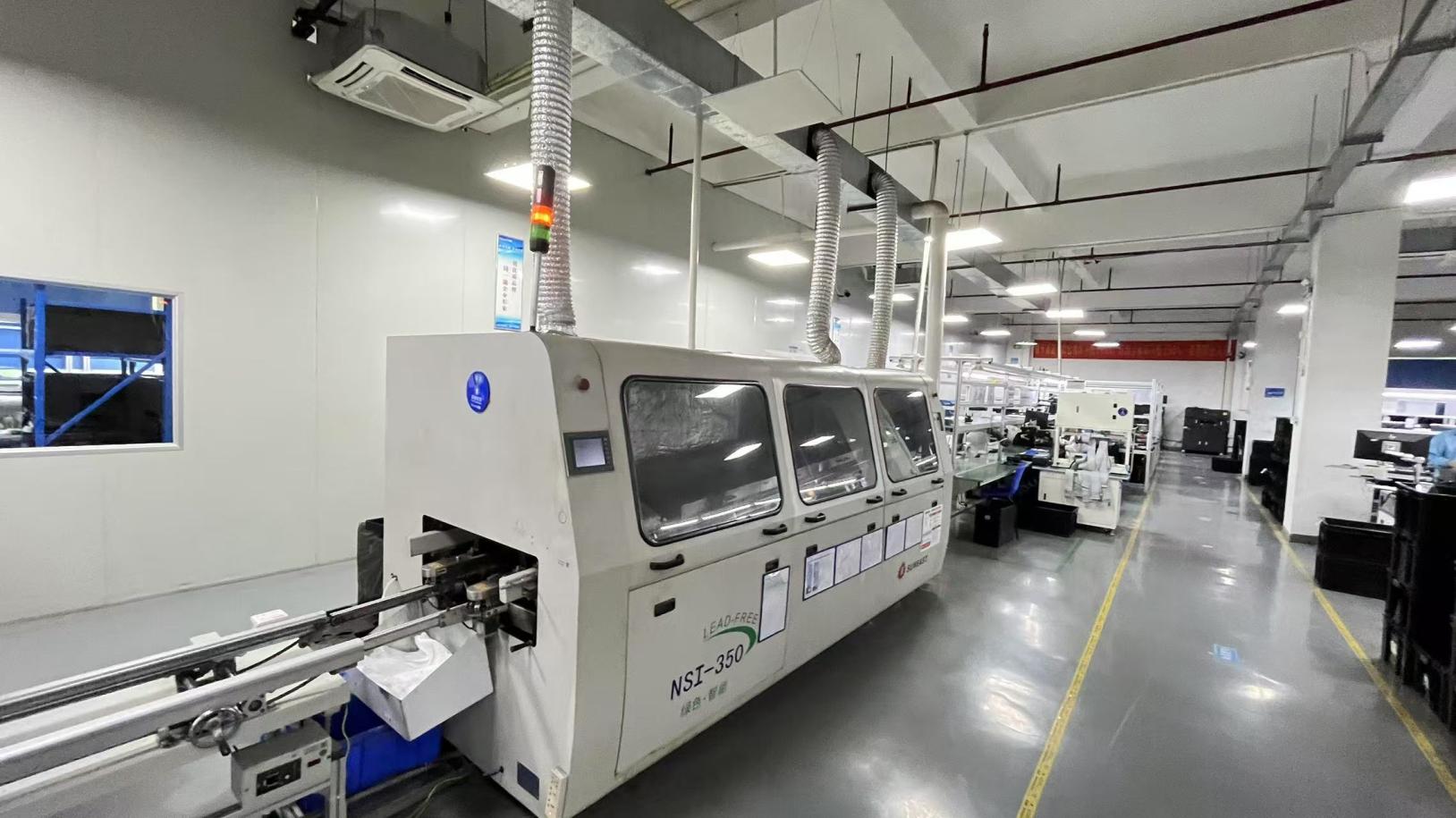
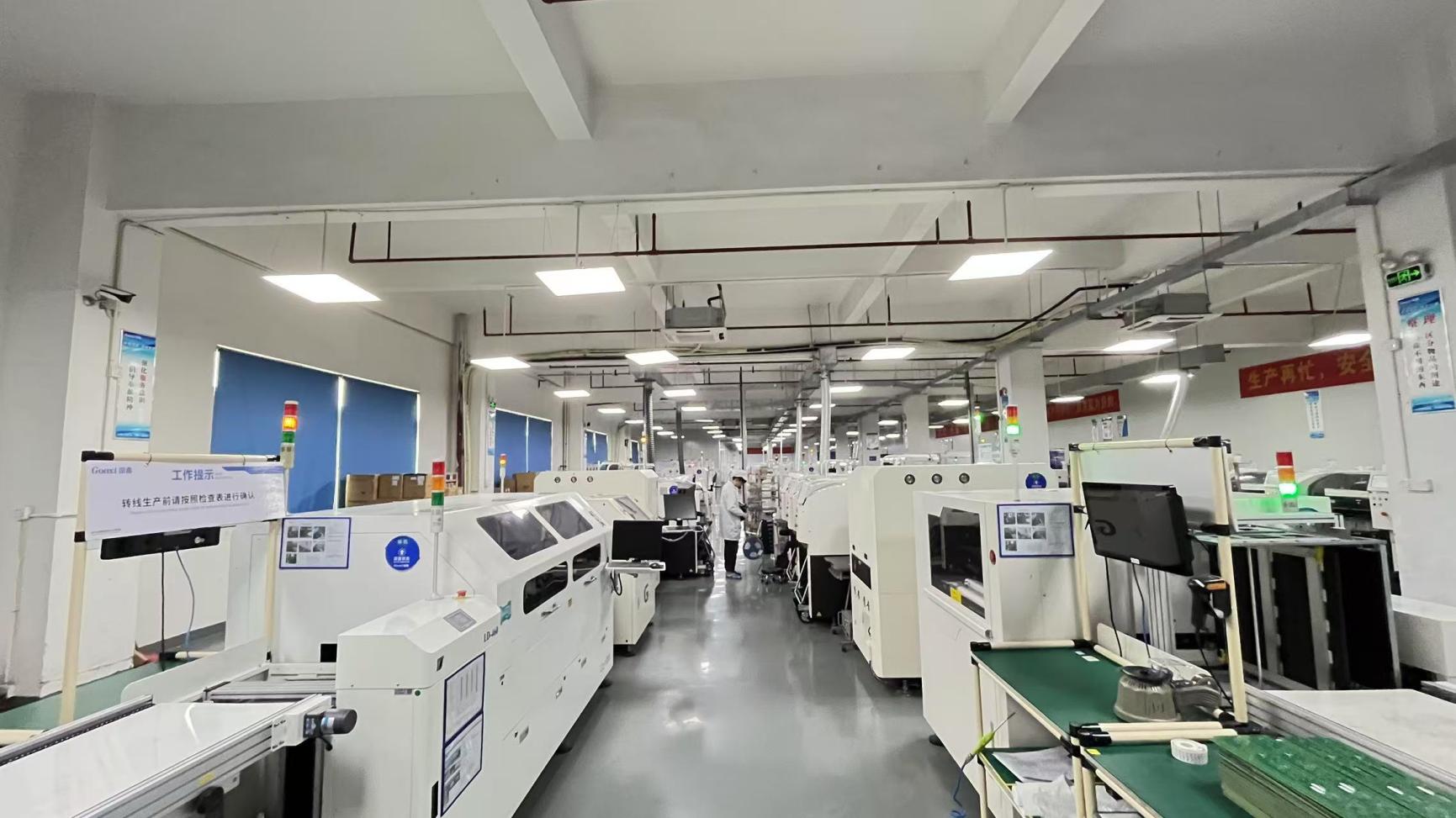
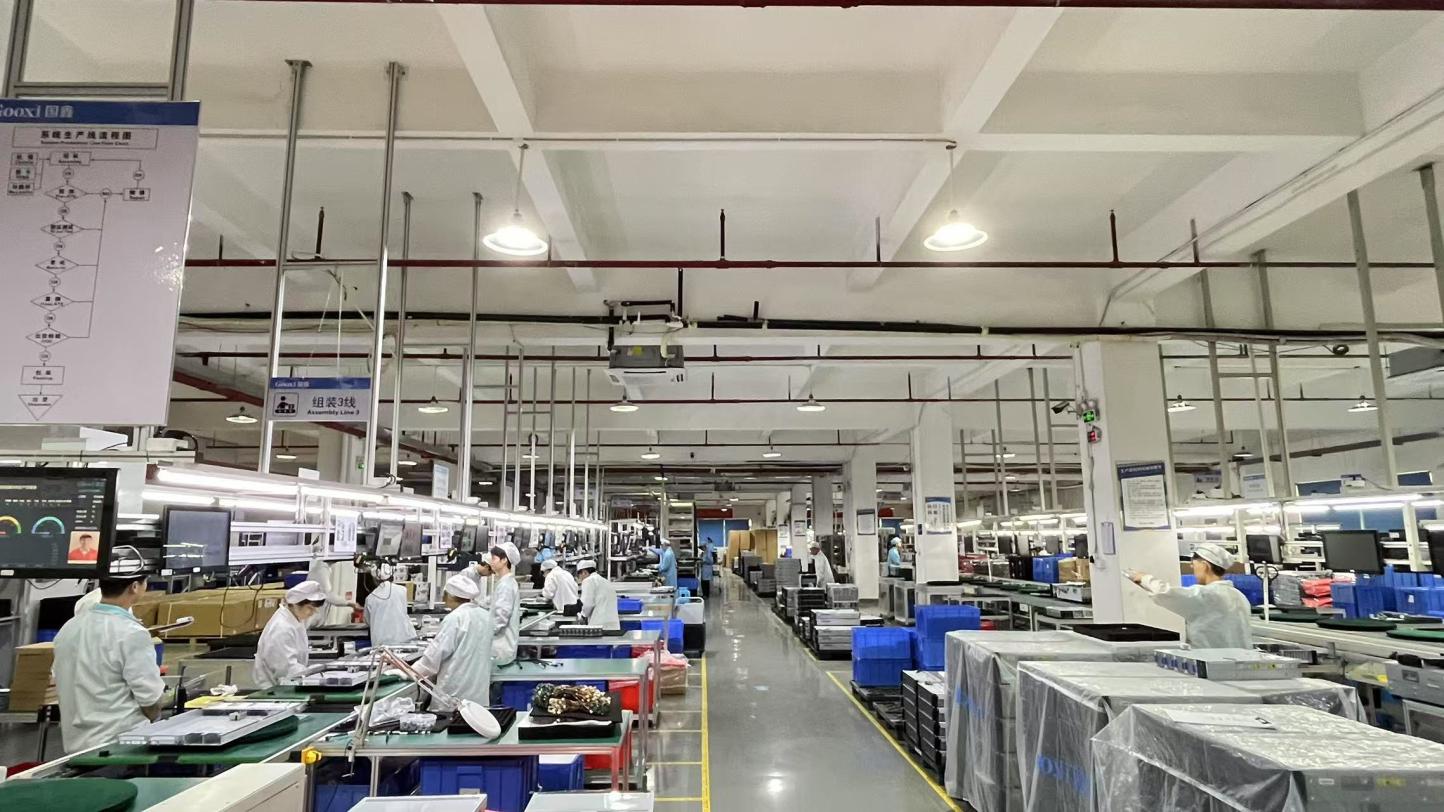
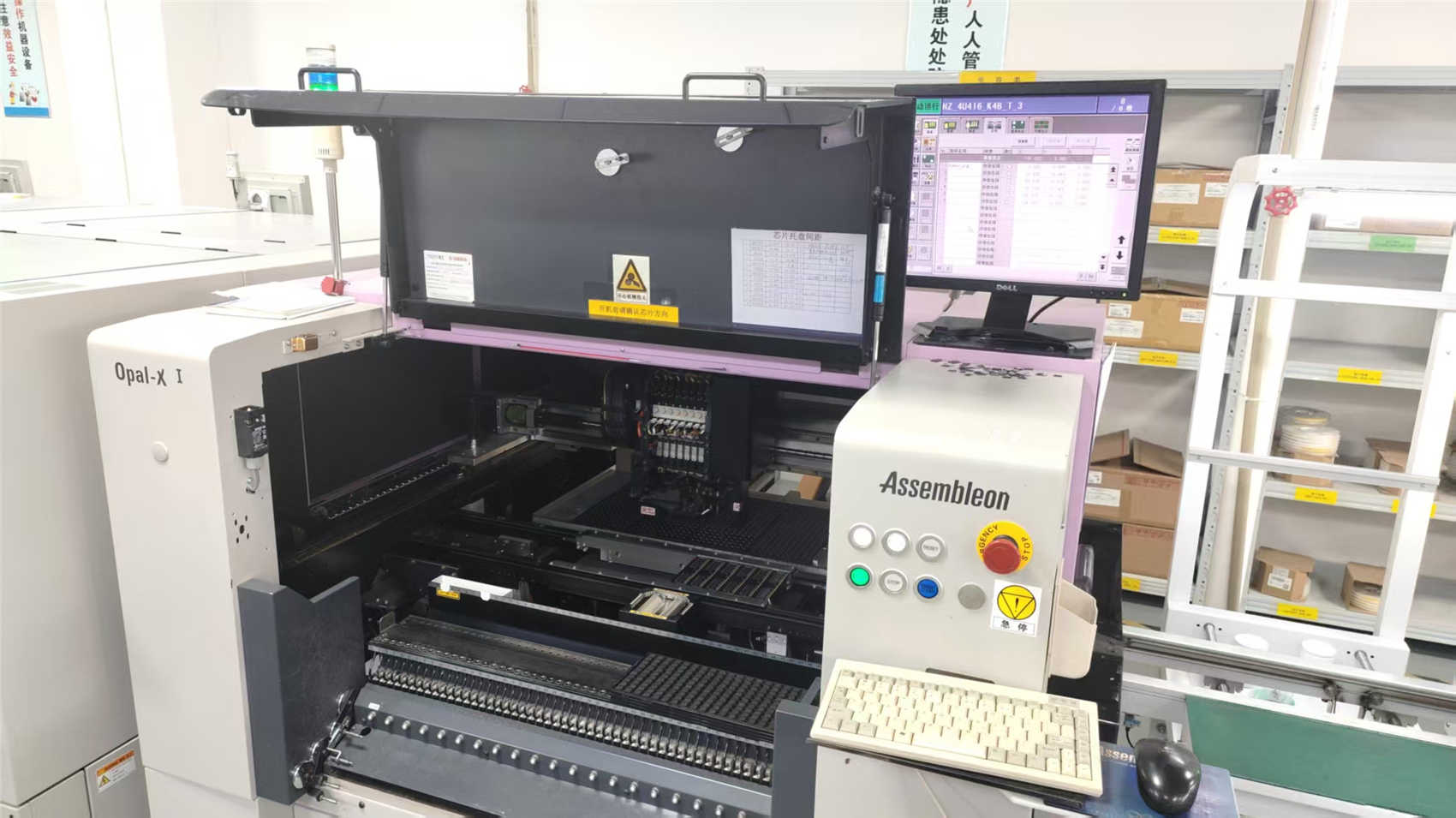
For global hardware OEM/ODMs, selecting the right partner involves auditing the manufacturer's technological depth and industrial supply-chain resilience. China's electronic component ecosystems have moved far beyond low-cost manual assembly, entering the **China Factory 4.0** era. Leading component factories now employ fully automated production matrices that ensure absolute replication accuracy across millions of units.
Key highlights of China’s modernized component production model include:
Furthermore, localizing component manufacturing within hub zones like Shenzhen, Dongguan, and Suzhou yields massive logistical and collaborative benefits. Raw materials, plating operations, chemical processing, packaging, and custom mold engineering are clustered closely, shrinking lead times from months to weeks. This integrated ecosystem ensures that if an engineering team requests an emergency modification to a component's mechanical latch orientation, custom tooling can be completed, validated, and scaled in a fraction of the time required by fragmented regional supply networks.
To successfully integrate low profile Ethernet connections, engineering departments must match mechanical design constraints directly with the environment in which the hardware is deployed. Because these jacks sit closer to the PCB surface and adjacent components, they are subject to unique thermal, vibrational, and chemical demands.
1. Telecom & Networking Blades: In carrier-class telecom equipment, 1U and 2U rack servers must house dozens of discrete processing units. To allow sufficient clearance for vertical heatsinks and memory modules, horizontal expansion cards must use low-profile jacks that do not obstruct card-to-card airflow or contact the housing of the slot above.
2. Industrial Automation & Rugged Edge Devices: Automation controllers placed inside DIN-rail housings require low-depth connectors to keep the profile of the electrical panel shallow. These connectors must withstand persistent vibration from nearby industrial machinery. For these use cases, suppliers offer low-profile RJ45 jacks with robust through-hole solder pins and heavy tin plating on ground tabs to prevent micro-fretting corrosion.
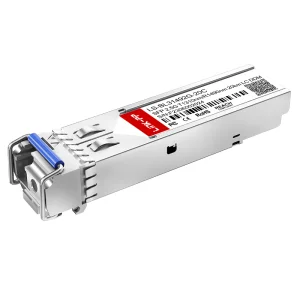
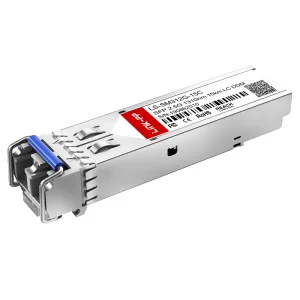
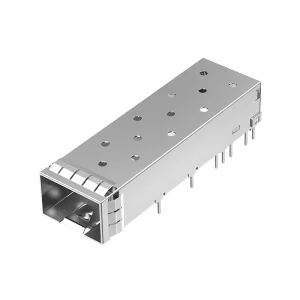
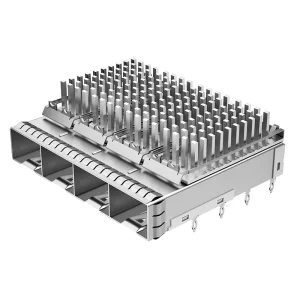
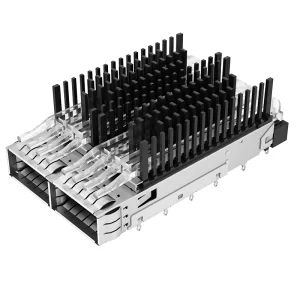
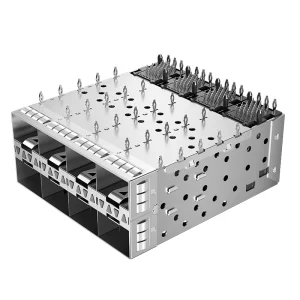
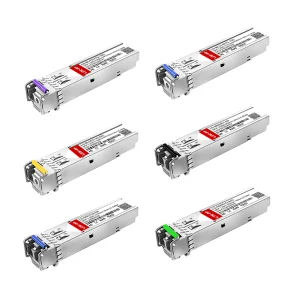
3. High-Speed Commercial Transceiver Interfaces: Modern networks depend heavily on a mix of optical and copper links. Devices such as media converters, network interface cards (NICs), and switches frequently stack copper Ethernet ports next to SFP (Small Form-factor Pluggable) transceivers. In these multi-port environments, low-profile and integrated RJ45 connectors sit alongside fiber cage setups to keep the faceplate layout clean and well-organized, ensuring all ports remain easily accessible.
Linking high-speed fiber transceivers and modular copper connectors with unmatched precision
Founded in 2016, Zyqora Optical Technologies Co., Ltd. is a professional manufacturer and supplier of high-performance optical transceivers, integrated modular jacks, and fiber connectivity solutions for global data center, telecom, enterprise network, and cloud computing applications. Over the years, Zyqora has built a reputation for excellence by bridging the gap between advanced fiber networks and traditional copper-based RJ45 connection platforms.
With a modern production facility covering 386 square meters, Zyqora specializes in the design, development, manufacturing, and testing of high-quality optical and copper communication products. The company’s comprehensive portfolio includes SFP, SFP+, SFP28, QSFP28, QSFP-DD, OSFP, AOC, and DAC solutions, as well as integrated magnetic connectors designed to deliver reliable performance, scalability, and seamless compatibility with mainstream networking platforms.
Backed by 8 years of export experience and 10 years of deep industry expertise, Zyqora has established a strong international presence, achieving annual export revenue exceeding USD 18 million. The company serves customers across North America, Europe, Southeast Asia, the Middle East, and Latin America. As an enterprise with both manufacturing and international trading capabilities, Zyqora has built a reliable supply network with more than 860 supply chain partners, enabling efficient sourcing, stable production, and flexible delivery schedules.
Quality is at the core of everything we do. Our manufacturing process is supported by comprehensive quality assurance procedures, including incoming material inspection, optical and electrical performance testing, aging tests, compatibility verification, and final product inspection. A dedicated team of 42 quality control professionals ensures that every product meets international standards and customer expectations.
Our primary customers include telecom operators, data center providers, system integrators, network equipment distributors, and enterprise IT solution providers worldwide. To support evolving market demands, we maintain a strong research and development team focused on innovation and product optimization. The R&D department consists of 65 experienced engineers specializing in optical communication technologies, high-speed transmission systems, and network interoperability solutions. Through continuous innovation and strict quality management, Zyqora remains committed to providing cost-effective, reliable, and future-ready optical and copper networking products for customers around the world.
Zyqora offers comprehensive OEM and ODM services, including customized labeling, firmware coding, packaging design, and product specification development. Last year alone, the company successfully launched 168 new products to meet the growing requirements of next-generation network infrastructures.
When engineering and procurement departments collaborate to compile their preferred vendor lists for low-profile modular jacks, they evaluate suppliers against five main criteria. A top-tier component factory is evaluated not just on price, but on its total technical and operational capabilities:
1. Electrical Performance & Signal Integrity: Connectors must be designed to minimize return loss and near-end crosstalk (NEXT) up to Cat6a or Cat8 specifications. Top factories use advanced simulation tools like Ansys HFSS to model pin shapes before manufacturing molds.
2. Mechanical Durability: Vendors should guarantee at least 750 insertion cycles. The retention force of the plug-to-jack latch must meet FCC Part 68 standards, typically requiring a minimum pull force of 77 N (17 lbs) without causing electrical interruption or housing damage.
3. Materials Compliance & Flame Retardancy: The housing material must be UL 94 V-0 rated to prevent flame spread in case of overheating. Additionally, materials must comply with European RoHS and REACH directives, ensuring they are free from restricted heavy metals and hazardous chemicals.
4. Industrial Lead Time & Capacity: High-volume customers look for factories with large production capacities—often exceeding 2 million units per month. This output must be supported by automated production systems that scale quickly to handle sudden demand spikes.
5. Technical Engineering Support: The vendor must supply comprehensive documentation, including detailed 3D CAD models (STEP files), land pattern layouts, reflow thermal profiles, and quick sample turnarounds for rapid prototyping.
Technical Answers for Hardware Engineers and Procurement Directors
Standard catalog components typically ship within 1 to 2 weeks. Custom modifications, such as custom LED colors, modified grounding tabs, or alternate pinouts, generally require 4 to 6 weeks for tooling adjustment and pilot production runs.
Integrated magnetics house the isolation transformer, resistors, capacitors, and chokes directly within the RJ45 metal shielding shell. This consolidation saves up to 50% of the PCB surface area right behind the port, which would otherwise be needed for discrete magnetic chips, while also improving EMI performance.
Yes, low-profile Ethernet jacks are fully compliant with IEC 60603-7 dimensions. They mate reliably with all standard RJ45 (8P8C) plugs. The mechanical height reduction is achieved on the outer housing and the mounting style on the PCB, without changing the internal cavity dimensions.
For industrial, telecom, and military applications, a plating thickness of 50 micro-inches (50μ") is the industry standard. For consumer electronics with shorter life cycles or fewer mating operations, 15μ" or 30μ" plating is often sufficient and more cost-effective.
High-speed optical transceivers and EMI shielded cage solutions