Zyqora
Zyqora
Zyqora
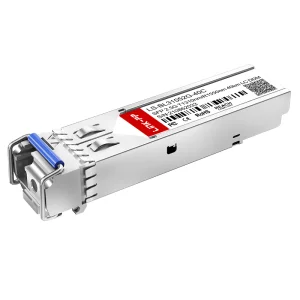
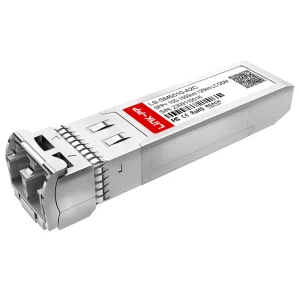
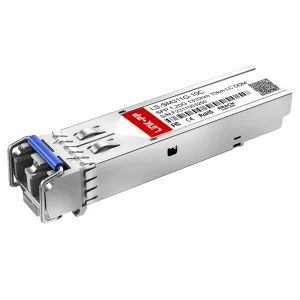
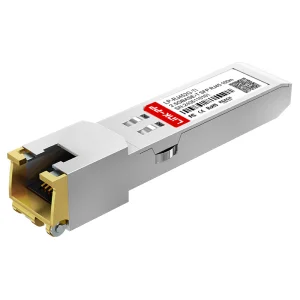
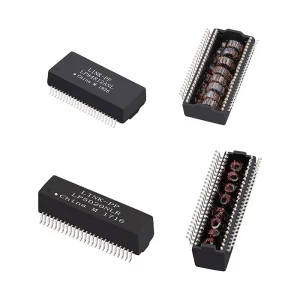
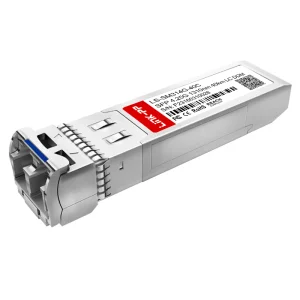
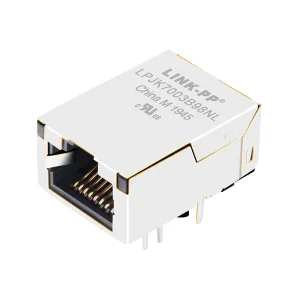
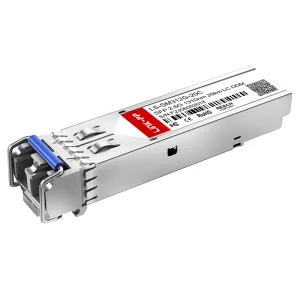
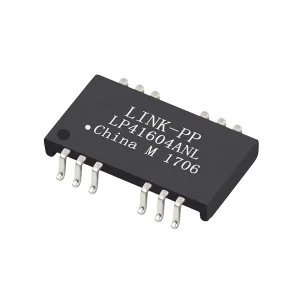
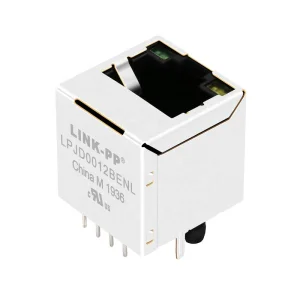
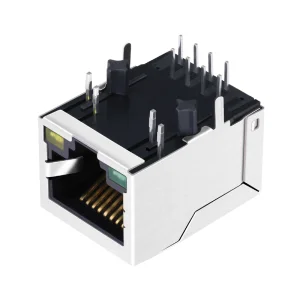
Explore our core selection of commercial-grade transceivers, network transformers, and EMI shielded hardware designed for demanding test interfaces and production deployments.
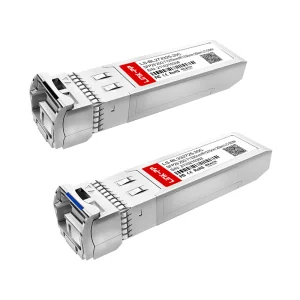
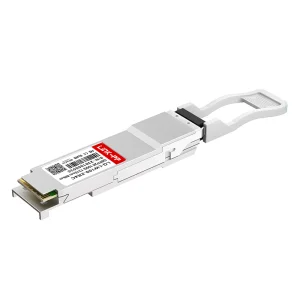
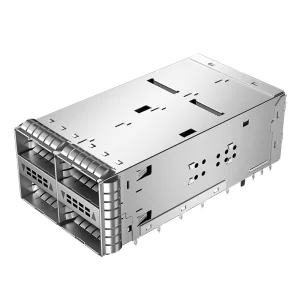
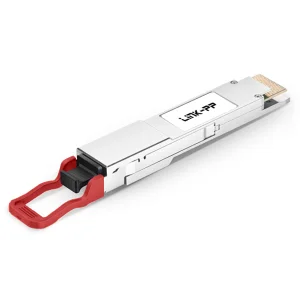
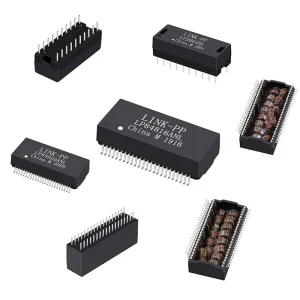
In modern network architectures, verifying high-bandwidth optical and copper ports is a foundational requirement. An Ethernet loopback connector acts as a critical component in diagnostic testing, signal verification, and deployment phases. Loopback test procedures bypass complex network routing to simulate localized data exchanges. This allows system engineers to instantly check the transmitter (TX) and receiver (RX) components of network interfaces.
As networks transition from traditional Gigabit Ethernet (1000Base-T) up to hyperscale 100G, 400G, and 800G infrastructures, loopback testing has evolved. Loopbacks are no longer simple wire-shorted plugs. Today, they are complex hardware tools designed for strict insertion loss limits, high temperature stability, and precise impedance matches. This matches the needs of dense data hubs, cloud computing installations, and telecom networks.
Without loopback connectors, network technicians would need to deploy end-to-end cable runs and configure remote equipment simply to test local port functionality. A loopback adapter establishes an instantaneous physical link loop. This isolates issues to the local transceiver module, the network interface card (NIC), or the specific switch motherboard port. In production testing environments, loopbacks are essential to run Bit Error Rate (BER) tests and verify hardware integration.
Modern networks are built on a mix of optical and copper connections. Ethernet loopback adapters must match these interfaces exactly. Below, we break down the primary loopback designs used in high-capacity networks today:
Used primarily for traditional copper Gigabit and Multi-Gigabit (10GBASE-T) interfaces. In a standard RJ45 loopback plug, the internal wiring connects specific transmit pins directly to the receive pins. Typically, this routes Pin 1 (TX+) to Pin 3 (RX+) and Pin 2 (TX-) to Pin 6 (RX-). In high-performance variants, crosstalk shields and customized resistors are integrated to prevent signal saturation and accurately match signal levels.
For high-speed optical transceivers, standard fiber cables are replaced with compact fiber loopbacks. These utilize LC, SC, or MPO/MTP connectors to route light output back into the optical receiver channel.
| Loopback Form Factor | Common Interface Type | Standard Data Rates | Key Applications |
|---|---|---|---|
| RJ45 Loopback | RJ45 Plug (Copper) | 10M / 100M / 1G / 10G | NIC validation, switch port troubleshooting, LAN setup |
| SFP+ Loopback | Duplex LC (Optical/Copper) | 10 Gbps / 8G Fibre Channel | Enterprise storage networks, telecom hub test benches |
| SFP28 Loopback | Duplex LC (Single Mode/Multi Mode) | 25 Gbps / 32G Fibre Channel | 5G mobile backhaul networks, high-density distribution units |
| QSFP28 Loopback | MPO / MTP or Internally Linked LC | 100 Gbps (4x 25G channels) | Hyperscale cloud data centers, high-performance computing |
| QSFP-DD Loopback | MPO-16 / High-Density Optical | 400 Gbps / 800 Gbps | Next-generation AI fabrics, core ISP carrier networks |
Furthermore, optical loopbacks are available in different attenuation configurations. A 0dB attenuation loopback is suitable for short-term loop checks. However, continuous direct optical loops can burn out sensitive receivers. For long-term hardware testing, OEM factories customize loopbacks with specific optical attenuation levels (typically 1dB, 3dB, 5dB, or 10dB) to match real-world path attenuation.
Selecting a qualified Chinese OEM/ODM manufacturer for your loopback adapters and optical components ensures access to advanced manufacturing technology, raw material logistics, and cost advantages. The specialized factories in southern China (such as Shenzhen and Wuhan) produce a significant portion of the world's high-speed telecom components.
Chinese manufacturing facilities provide key benefits in three main areas:
By placing raw materials, connector housings, PCB fabricators, and automated packaging suppliers close together, lead times are reduced to days rather than weeks.
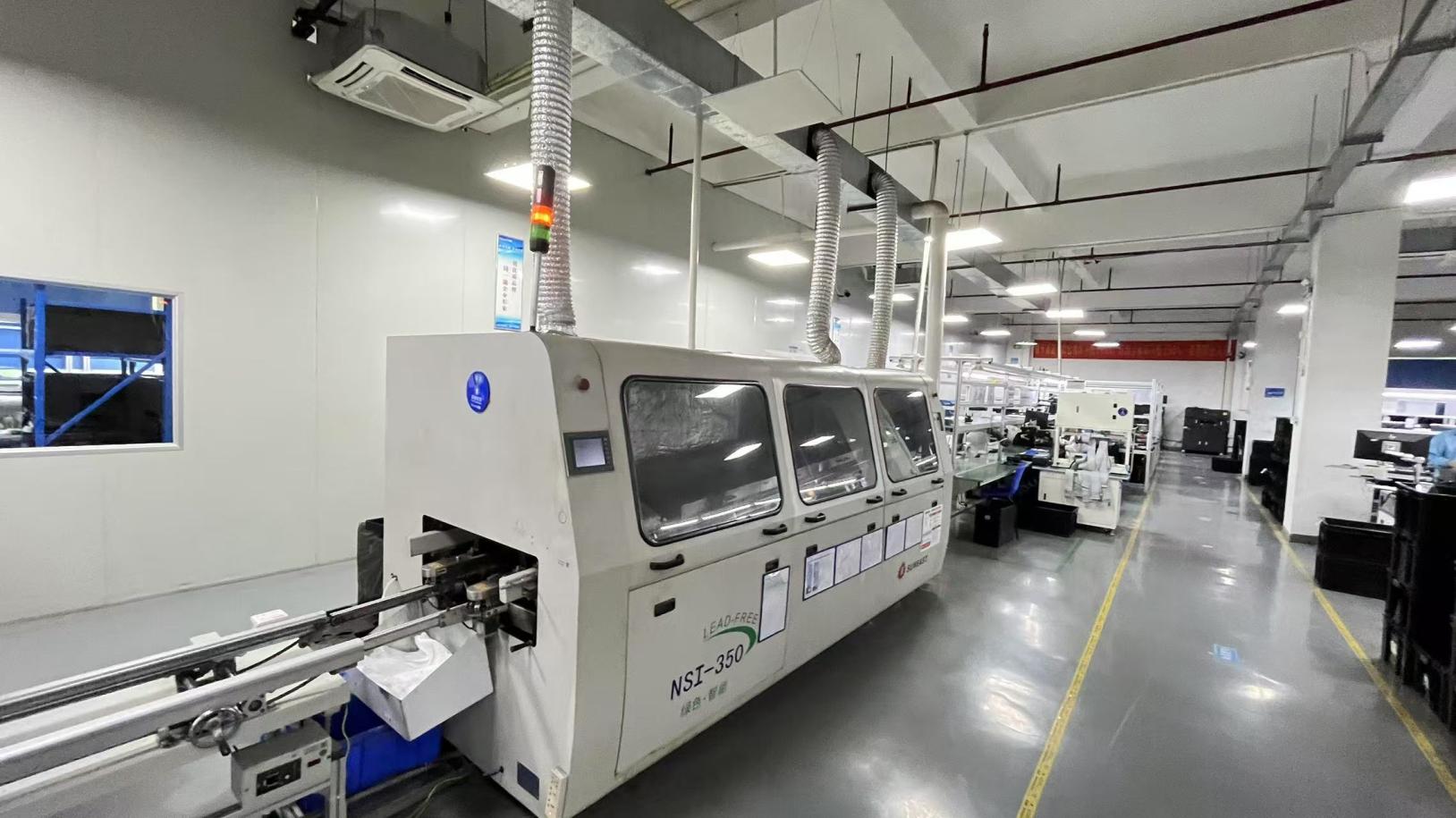
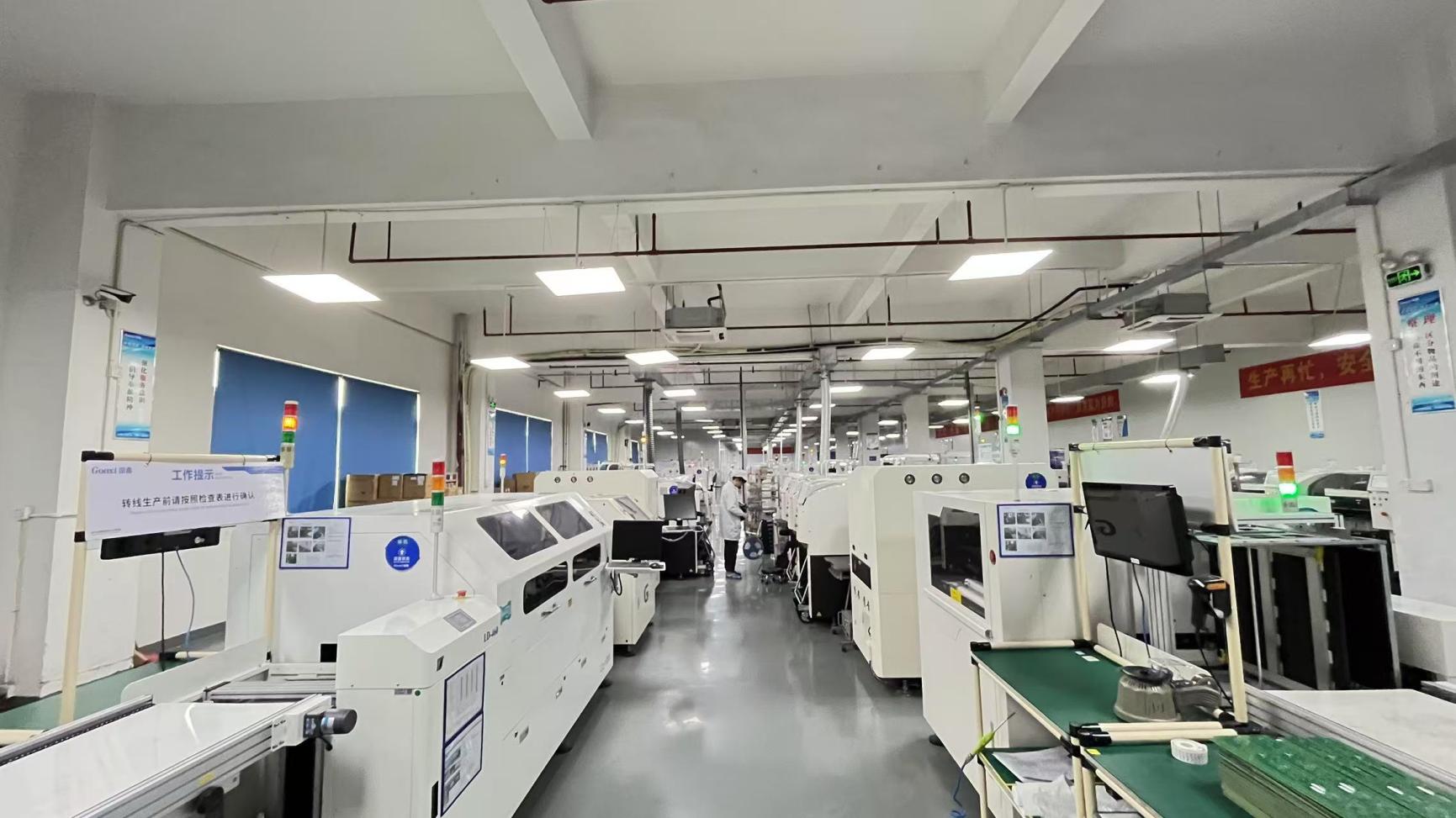
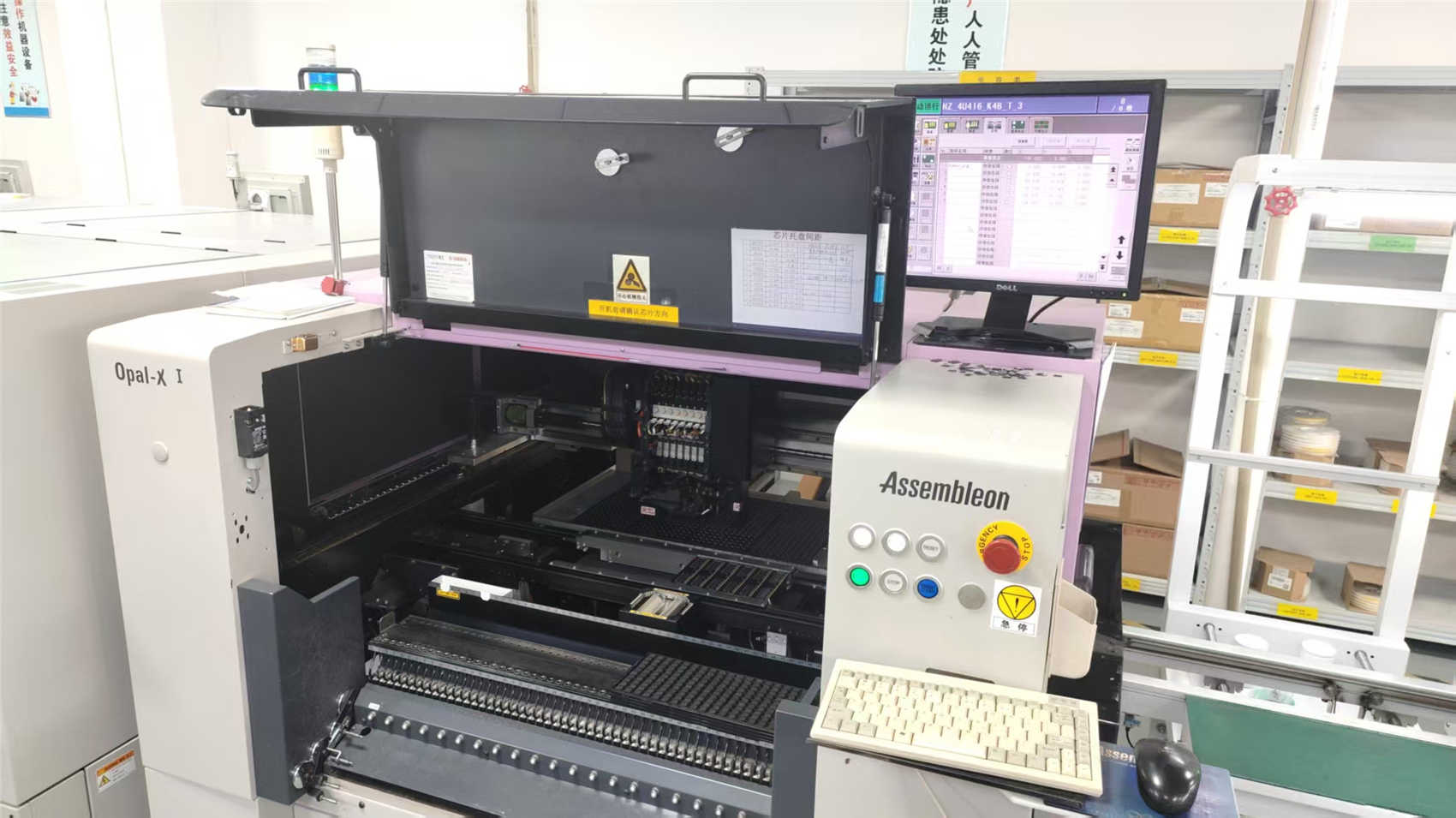
Modern factories utilize advanced automated optical inspection (AOI), robotic component placement, and precision laser alignment. This guarantees high assembly consistency.
We program loopback microcontrollers to simulate vendor codes (e.g., Cisco, Juniper, Arista), allowing the host switch to recognize the loopback module correctly.
Ethernet loopback connectors are used across various network deployment stages:
As network bandwidth approaches 800 Gbps and 1.6 Terabits per second, network testing faces new engineering challenges:
Modern active loopbacks must simulate the heat output of actual high-speed transceivers. 400G and 800G transceivers can generate 12 to 20 Watts of heat. If loopbacks do not generate equivalent heat load, data center cooling configurations cannot be validated. High-end loopbacks now include integrated thermal resistors and programmable heating elements. This allows cooling architectures to be tested under maximum simulated thermal load.
Additionally, high-speed loopbacks use integrated microcontrollers to support real-time diagnostic reporting. These loopback devices report temperature, voltage, and signal loss diagnostics back to the switch software. This allows operators to test port health metrics without deploying active optical lines.
When procurement teams source ethernet loopbacks and fiber modules internationally, validating vendor quality processes is essential. Ensure your manufacturing partner complies with the following industry standards:
Founded in 2016, Zyqora Optical Technologies Co., Ltd. is a professional manufacturer and supplier of high-performance optical transceivers and fiber connectivity solutions for global data center, telecom, enterprise network, and cloud computing applications.
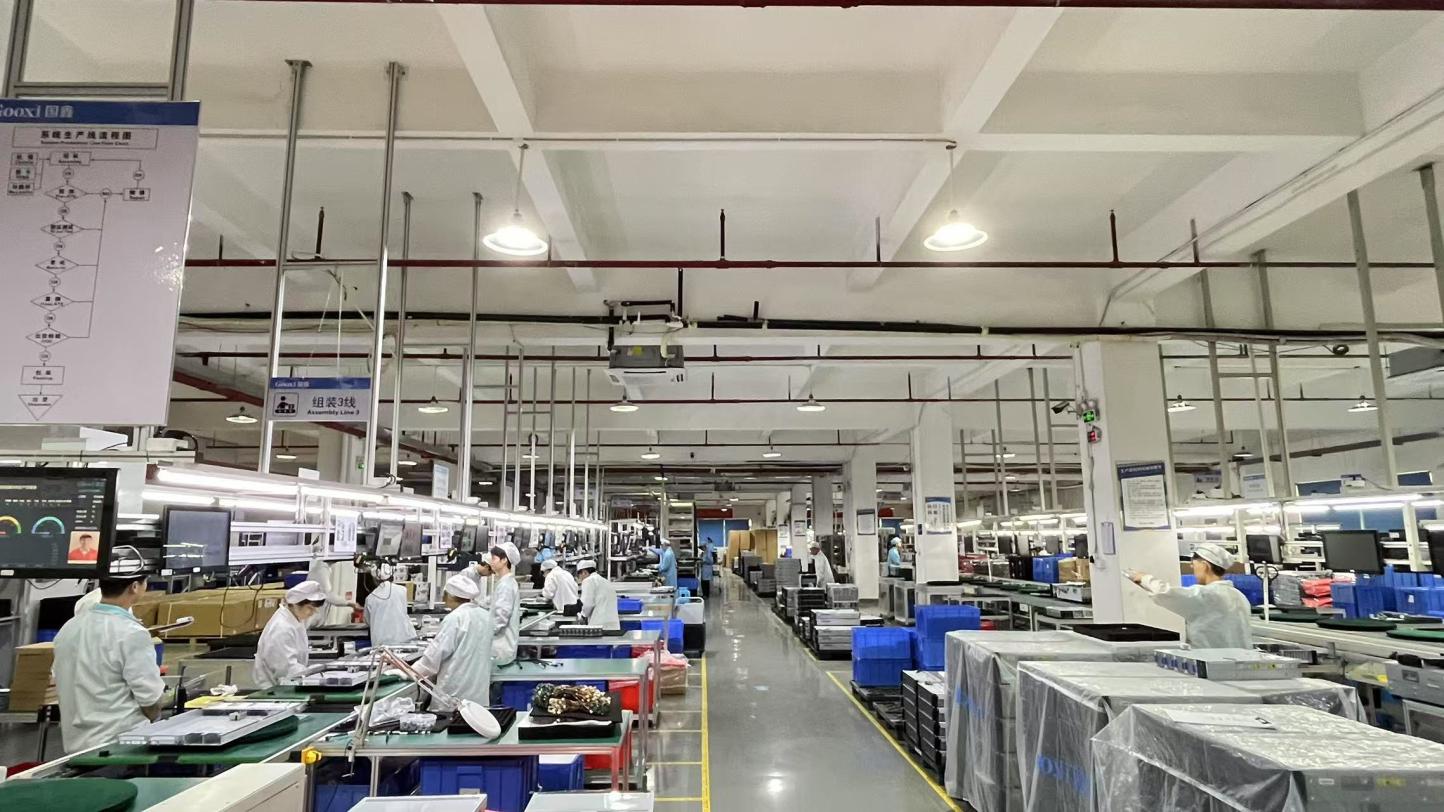
With a modern production facility covering 386 square meters, Zyqora specializes in the design, development, manufacturing, and testing of optical communication products, including SFP, SFP+, SFP28, QSFP28, QSFP-DD, OSFP, AOC, and DAC solutions. Our products are engineered to deliver reliable performance, scalability, and seamless compatibility with mainstream networking platforms.
Over the years, Zyqora has established a strong international presence, achieving annual export revenue exceeding USD 18 million. Backed by 8 years of export experience and 10 years of industry expertise, we serve customers across North America, Europe, Southeast Asia, the Middle East, and Latin America.
Quality is at the core of everything we do. Our manufacturing process is supported by comprehensive quality assurance procedures, including incoming material inspection, optical performance testing, aging tests, compatibility verification, and final product inspection. A dedicated team of 42 quality control professionals ensures that every product meets international standards and customer expectations.
As a company with both manufacturing and international trading capabilities, Zyqora has built a reliable supply network with more than 860 supply chain partners, enabling efficient sourcing, stable production, and flexible delivery schedules.
Our primary customers include telecom operators, data center providers, system integrators, network equipment distributors, and enterprise IT solution providers worldwide. To support evolving market demands, we maintain a strong research and development team focused on innovation and product optimization.
Zyqora offers comprehensive OEM and ODM services, including customized labeling, firmware coding, packaging design, and product specification development. Last year alone, the company successfully launched 168 new products to meet the growing requirements of next-generation network infrastructures.
Our R&D department consists of 65 experienced engineers specializing in optical communication technologies, high-speed transmission systems, and network interoperability solutions. Through continuous innovation and strict quality management, Zyqora remains committed to providing cost-effective, reliable, and future-ready optical networking products for customers around the world.
Zyqora – Connecting Networks with Speed, Reliability, and Innovation.
Technical guidance regarding OEM/ODM loopback connectors, electrical/optical wiring, and factory testing processes.
Explore our additional optical transceiver modules, magnetic filters, and LAN jacks for carrier-grade applications.