 Zyqora
Zyqora
Zyqora
High-performance high-speed copper and optical components engineered by Zyqora for mission-critical enterprise systems and telecommunication configurations.
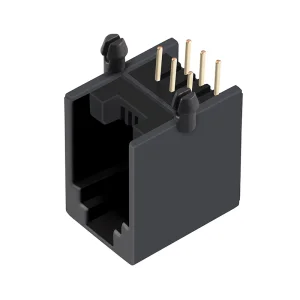
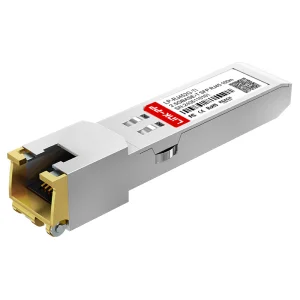
Industrial 2.5GBASE-T Transceiver Module 2.5G SFP Copper RJ45 100m
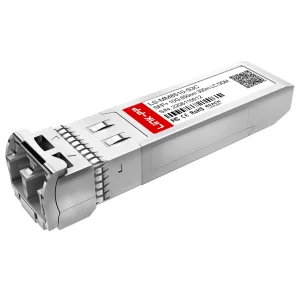
Industrial 10GBASE-SR SFP+ Ethernet Module 850nm 300m Duplex LC MMF Fiber Optical Transceiver
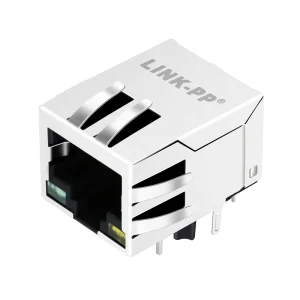
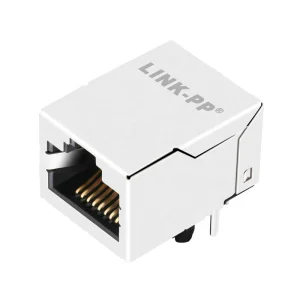
Gige Transformer Modules RJ45 Waterproof Connector LJ-T40B4L-00-F
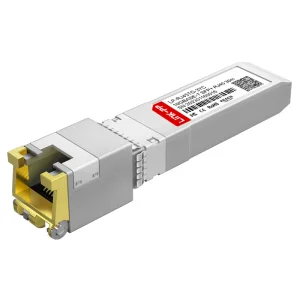
10GBASE-T SFP+ Copper RJ45 30m 10G Copper SFP Transceiver Module
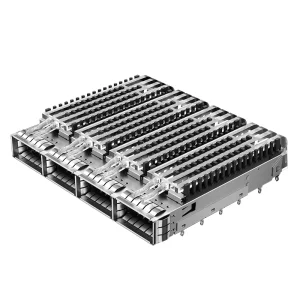
2-2170747-2 Light Pipe Press-Fit Through Hole EMI Shield Housing 1x4 SFP+ Cage With Heat Sink
In modern industrial and telecommunication hardware engineering, physical board space has become the primary design constraint. As server blades, network switches, IoT gateways, and industrial edge computing systems continue to shrink, standard RJ45 connectors present mechanical integration roadblocks. The typical standard profile height of 13mm to 15.5mm makes placement on sub-1U boards, PCMCIA, and micro-ATX form factors impossible.
This physical limitation has driven the rapid growth of the Low Profile Ethernet Connector industry. Representing products with mating heights significantly under 11.5mm—often down to 9.5mm or even 8mm—these connectors enable dense multi-board stacks, modular system cards, and modern compact designs. By utilizing a mid-board layout or sinking the socket into the printed circuit board (PCB) cut-out, system designers can satisfy rigorous height regulations while maintaining the structural integrity of the interface.
Additionally, the transition to high-speed automation and smart factories requires that these connectors survive volatile thermal ranges, electromagnetic interference (EMI), and mechanical vibration. System failures due to poor physical-layer connections carry massive economic consequences in automated manufacturing lines, high-frequency finance, and critical infrastructure networks.
A closer look at the physics and material specifications that define professional-grade low profile connectors.
Constructed with nickel-plated brass or copper alloy shield plates, featuring integrated grounding fingers. This guarantees reliable contact to the chassis frame and suppresses high-frequency radiation, protecting internal circuitry from external field interference.
By embedding LAN transformers, common-mode chokes, and high-voltage capacitors directly inside the low-profile RJ45 housing, designers save PCB layout space, simplify routing, and improve signal-to-noise ratios (SNR).
For high-yield Surface Mount Technology (SMT) assembly, coplanarity is maintained below 0.1mm. High-temperature thermoplastic housings (LCP) prevent warping during reflow soldering temperatures reaching 260°C.
A direct evaluation of physical-layer properties that system engineers must consider when choosing between a traditional design and a high-performance low-profile connector.
For industrial ethernet components to be safely integrated into EU-bound infrastructure, they must conform to several key directives:
In B2B purchasing, a manufacturer's CE Certification is more than just a regulatory mark—it is a proof of conformity to European safety, health, and environmental standards. For low profile ethernet connectors, CE marks guarantee that the component has undergone rigorous laboratory validation to ensure compatibility with high-speed digital systems without causing system degradation or radio-frequency interference (RFI).
Additionally, reliable manufacturers verify compliance through mechanical and environment fatigue tests, including thermal cycling (-40°C to +85°C), humidity resistance testing (90-95% RH at 40°C for 96 hours), and vibration profile verification (conforming to IEC 60512-4). These processes ensure that connectors deployed in industrial setups will operate continuously without signal degradation.
By maintaining absolute conformity to international standards, Zyqora mitigates risk for telecom systems integrators and enterprise system designers, facilitating smooth product approvals and rapid deployment schedules globally.
Analyzing key design shifts shaping next-generation copper and optical networking infrastructures.
Traditional ethernet infrastructure was built for gigabit speeds. However, modern workloads (high-definition image processing, cloud virtualization, artificial intelligence inference) demand much faster physical layers. We are seeing a rapid shift where standard connectors are replaced by multi-gigabit interfaces (2.5G/5G/10G) and high-speed optical transceivers (10G SFP+, 400G QSFP-DD).
Designing low-profile form factors for these ultra-high-speed transceivers introduces complexity in crosstalk suppression and impedance matching. High frequency signal trace integrity deteriorates quickly over minor PCB layout misalignments. Zyqora's active research focuses on developing layout architectures that minimize return loss at frequencies up to 25GHz.
Single Pair Ethernet (SPE), based on IEEE 802.3cg/ch standards, is revolutionizing industrial networks. By transmitting 10Mbps to 1Gbps over a single pair of twisted copper wires (instead of the typical four pairs in Category cables), SPE allows connectors to shrink even further, providing a massive advantage for ultra-compact IoT edge devices and automotive layouts.
Simultaneously, edge computing nodes installed on factory floors require low-profile hardware interfaces capable of delivering both power and data (PoDL - Power over Data Lines). Adapting SPE into low-profile housings allows automation designers to integrate high-density sensor networks without the physical footprint of standard RJ45 systems.
Deployment topologies showing how low-profile physical interfaces integrate into high-density architectures.
Edge gateways deployed in manufacturing plants operate in confined, hot, and dust-prone electrical cabinets. These modules typically rely on DIN-rail mounts or slim embedded enclosures where spacing between cards is less than 15mm. Standard vertical RJ45 jacks are unusable in such designs because the cable bend radius exceeds the physical enclosure depth.
Using low profile right-angle (horizontal) connectors, such as SMT tab-down jacks, allows designers to mount ethernet ports parallel to the PCB surface. This keeps the cable routing horizontal, saving enclosure space and reducing mechanical strain on the solder joints.
Furthermore, because these installations are exposed to continuous low-frequency vibrations from heavy machinery, connectors must be designed with strong retention tabs and spring-loaded grounding fingers to maintain consistent electrical contact, preventing packet loss and communication timeouts.
In data centers, telecommunications rack units (1U = 44.45mm height) are packed with logic processors, cooling fans, and power supplies. In blade server systems, multiple separate circuit cards are stacked vertically on a shared backplane. Standard RJ45 modules limit card-to-card density, restricting system capacity.
Deploying low-profile offset connectors and integrated SFP+ cage modules allows engineers to pack more connectivity ports into the same physical faceplate space. In these high-density layouts, managing crosstalk and heat dissipation becomes critical.
Low-profile cages integrated with specialized heat sinks and copper-alloy light pipes allow system designers to maximize airflow and monitor status indicators via LEDs, ensuring high uptime in critical computing environments.
Connecting Networks with Speed, Reliability, and Innovation since 2016.
Founded in 2016, Zyqora Optical Technologies Co., Ltd. is a professional manufacturer and supplier of high-performance optical transceivers and fiber connectivity solutions for global data center, telecom, enterprise network, and cloud computing applications.
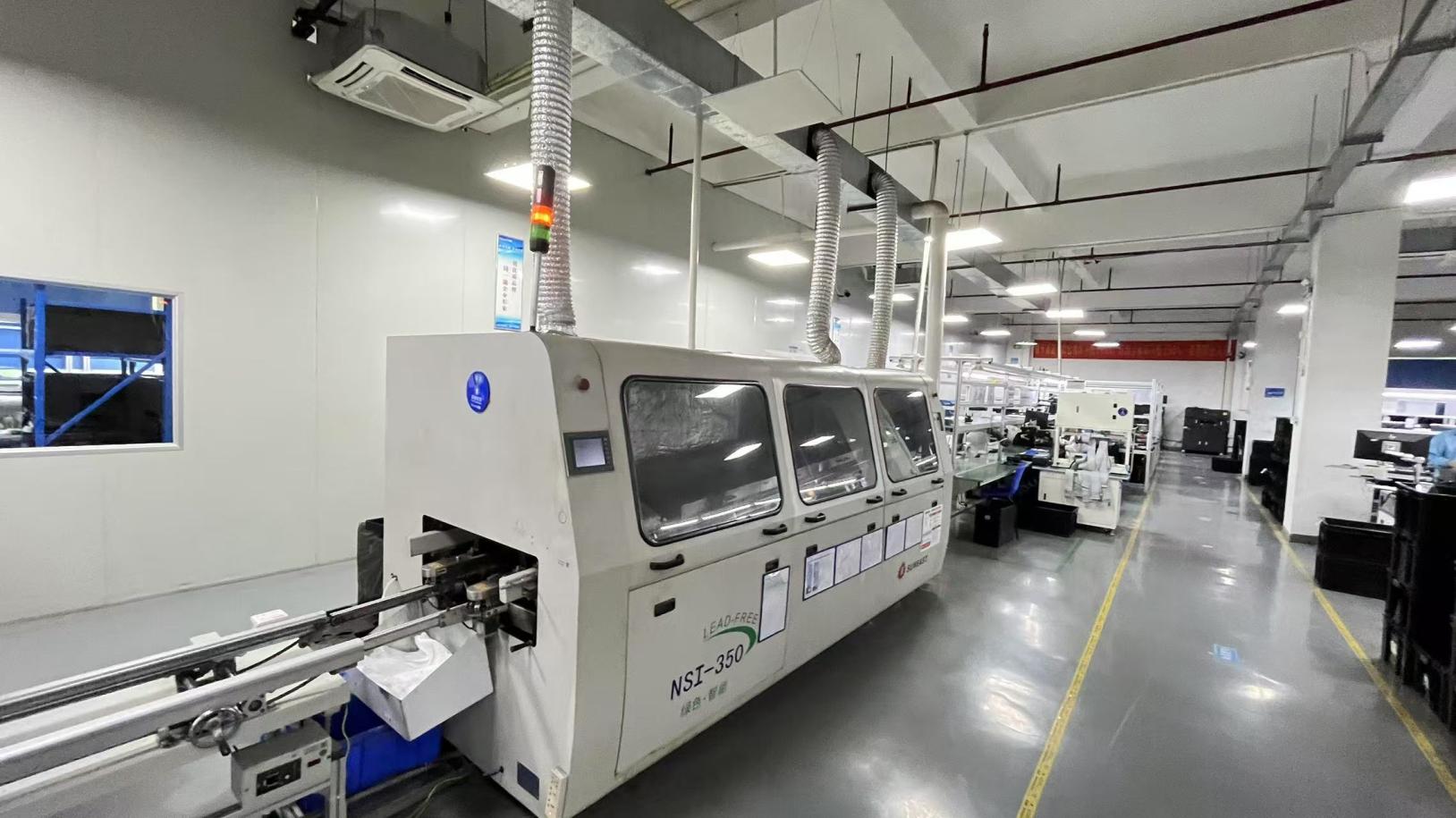
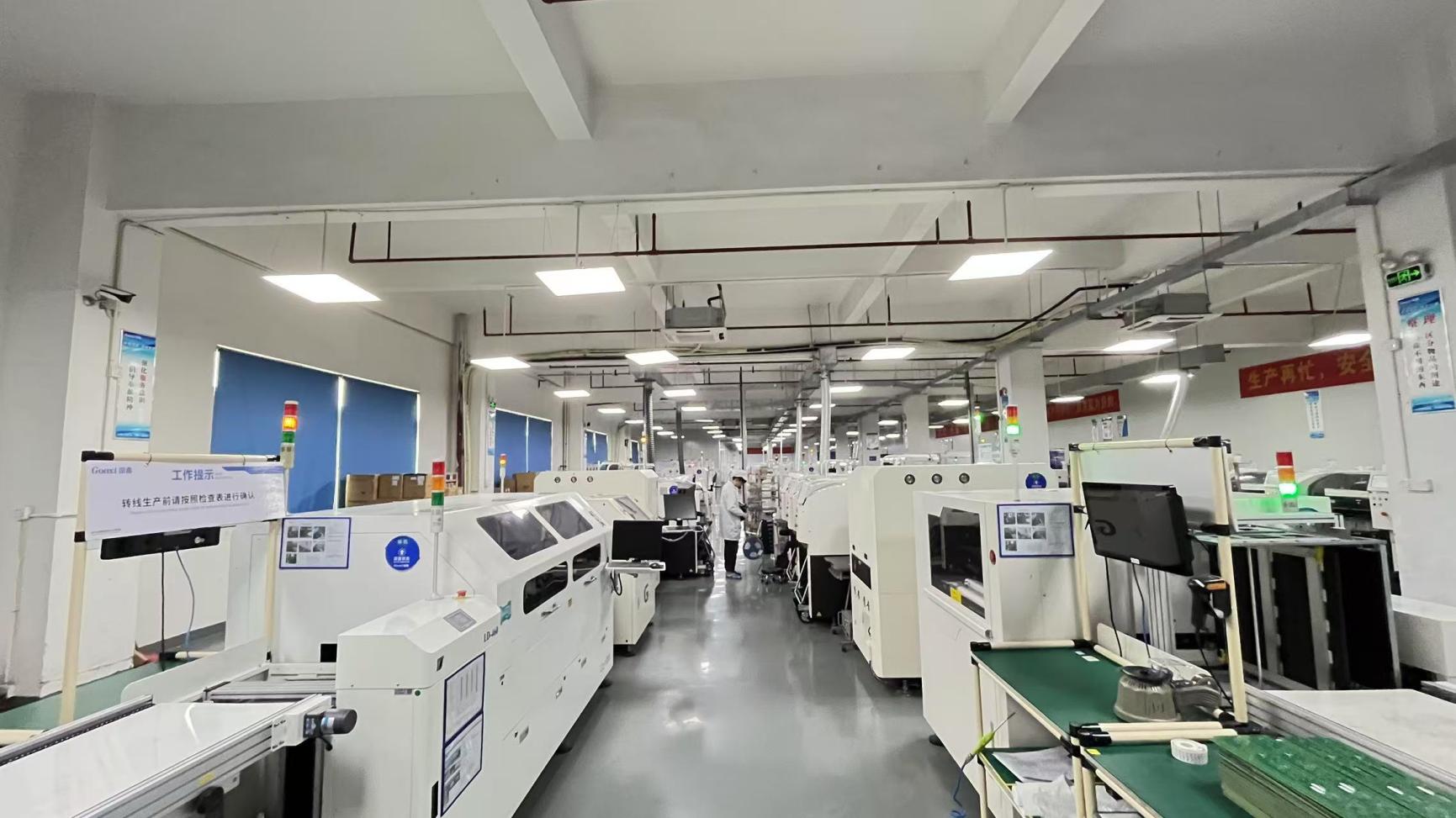
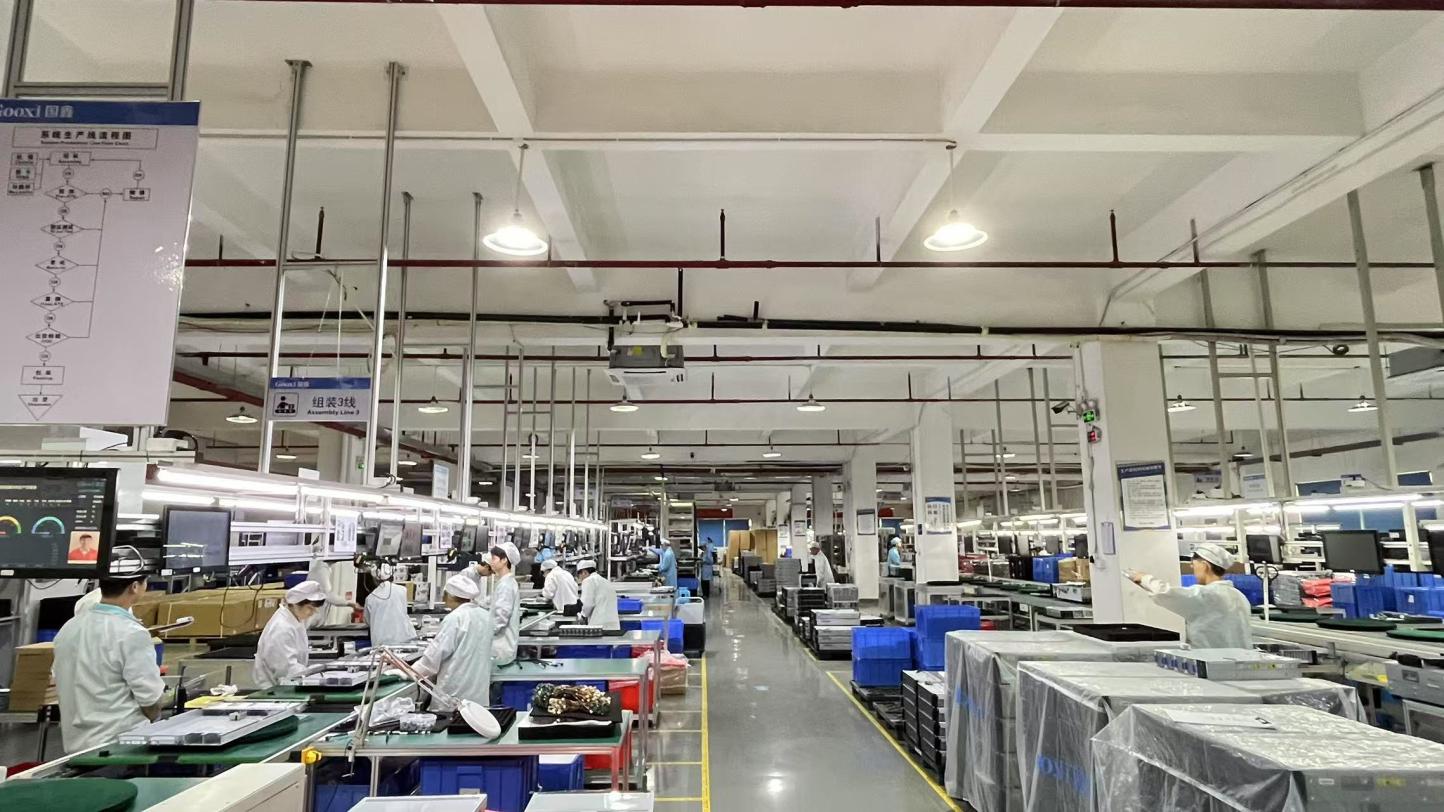
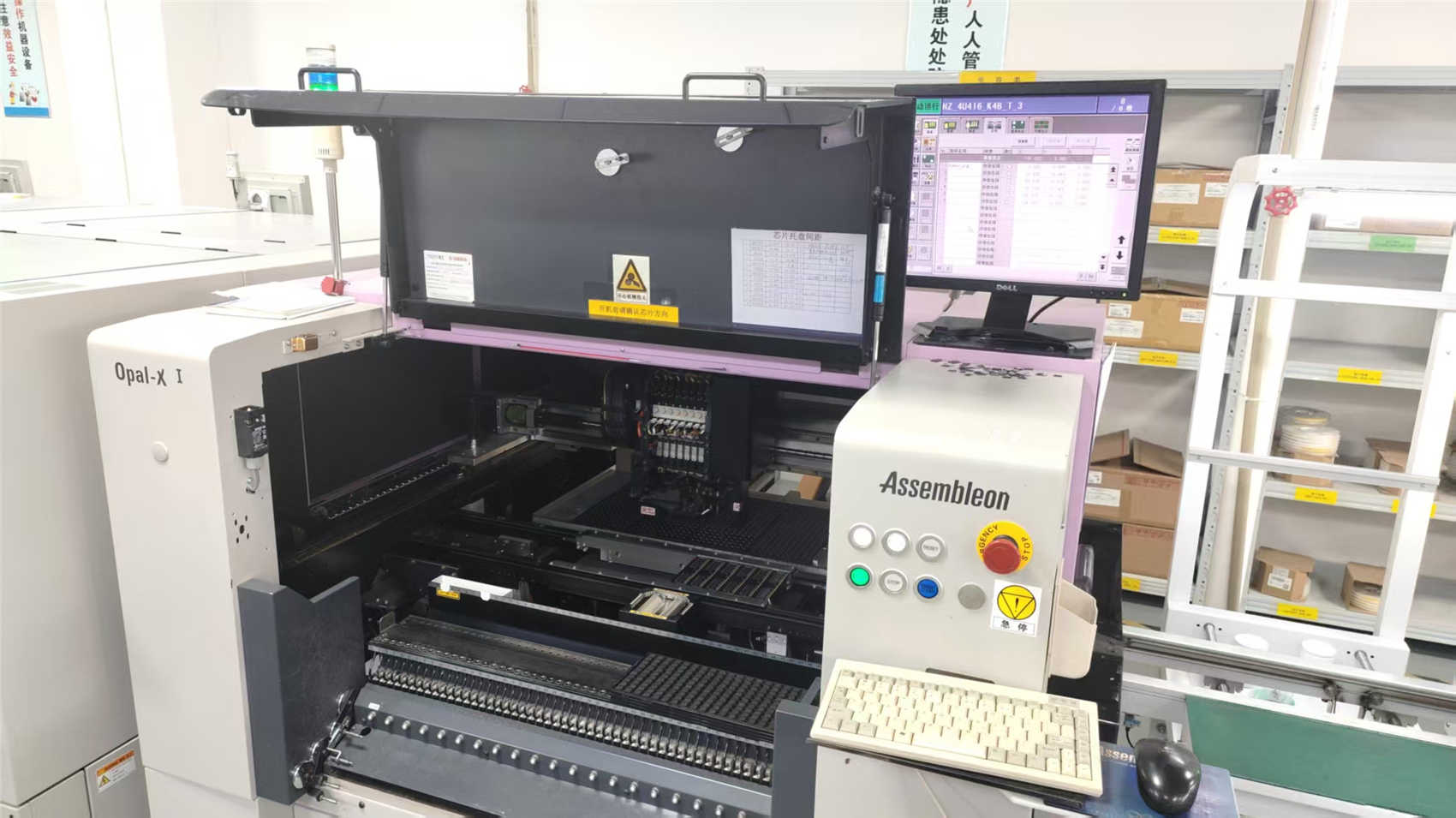
With a modern production facility covering 386 square meters, Zyqora specializes in the design, development, manufacturing, and testing of optical communication products, including SFP, SFP+, SFP28, QSFP28, QSFP-DD, OSFP, AOC, and DAC solutions. Our products are engineered to deliver reliable performance, scalability, and seamless compatibility with mainstream networking platforms.
Over the years, Zyqora has established a strong international presence, achieving annual export revenue exceeding USD 18 million. Backed by 8 years of export experience and 10 years of industry expertise, we serve customers across North America, Europe, Southeast Asia, the Middle East, and Latin America.
Quality is at the core of everything we do. Our manufacturing process is supported by comprehensive quality assurance procedures, including incoming material inspection, optical performance testing, aging tests, compatibility verification, and final product inspection. A dedicated team of 42 quality control professionals ensures that every product meets international standards and customer expectations.
As a company with both manufacturing and international trading capabilities, Zyqora has built a reliable supply network with more than 860 supply chain partners, enabling efficient sourcing, stable production, and flexible delivery schedules.
Our primary customers include telecom operators, data center providers, system integrators, network equipment distributors, and enterprise IT solution providers worldwide. To support evolving market demands, we maintain a strong research and development team focused on innovation and product optimization.
Zyqora offers comprehensive OEM and ODM services, including customized labeling, firmware coding, packaging design, and product specification development. Last year alone, the company successfully launched 168 new products to meet the growing requirements of next-generation network infrastructures.
Our R&D department consists of 65 experienced engineers specializing in optical communication technologies, high-speed transmission systems, and network interoperability solutions. Through continuous innovation and strict quality management, Zyqora remains committed to providing cost-effective, reliable, and future-ready optical networking products for customers around the world.
Detailed engineering answers to the most common questions regarding low-profile ethernet connectors, transceivers, and certifications.
A standard RJ45 socket typically sits at a height of 13mm to 16mm off the PCB surface. A "low profile" connector is specifically designed to reduce this mounting height to under 11.5mm, often reaching as low as 8.5mm. This is achieved by offsetting the connector's contact block, using a mid-plane mount where the PCB has a cutout and the connector is recessed within the board thickness, or using compact internal layouts with SMT solder joints.
CE Certification ensures the product complies with crucial European Union directives. For high-speed ethernet connectors and active transceivers, this involves the EMC Directive 2014/30/EU (ensuring the component does not emit excessive EMI and has robust immunity to ambient electrical noise) and the RoHS Directive (restricting hazardous substances). Buying CE-certified components protects systems integrators from legal liability and assembly failures when exporting hardware to the European Economic Area.
Standard ethernet ports require discrete filter transformers on the motherboard to manage signal conditioning and isolation. An integrated magnetic connector (often called a MagJack) houses these transformers, common-mode chokes, and high-voltage capacitors directly inside the RJ45's shielded metal shell. This saves valuable PCB layout space, reduces trace routing complexity, and shields critical components from high-frequency noise generated by nearby processors.
Yes. Many high-performance low-profile connectors are designed to support PoE (IEEE 802.3af), PoE+ (IEEE 802.3at), and PoE++ (IEEE 802.3bt Type 3/4). However, because these connectors have smaller physical profiles, heat dissipation is more critical. Designers must ensure the contact pins have low electrical resistance and the selected thermoplastic (like LCP) can handle the thermal accumulation within compact enclosures.
To ensure signal integrity in high-vibration settings like factories or vehicles, low-profile connectors feature reinforced grounding tabs, robust spring-loaded shield fingers, and secure locking latches. Many industrial variants use tab-up or tab-down designs with locking clips that resist pull-out forces up to 20 lbs, preventing accidental disconnections.
Gold plating is essential to prevent copper oxidation on the spring contacts. For consumer applications, a thin 6u" (micro-inch) layer is common. However, for industrial and telecom networks, a minimum thickness of 30u" to 50u" is specified. This thicker plating ensures the connector can withstand >750 insertion cycles without contact wear, maintaining low contact resistance over years of service.
Through-Hole Technology (THT) uses pins that pass through the PCB, offering superior mechanical strength, making it ideal for ports that experience frequent mating cycles. Surface Mount Technology (SMT) solders directly onto the board's surface, freeing up routing space on the opposite side of the PCB and allowing automated pick-and-place assembly. Low-profile connectors often use a hybrid layout, with SMT signal pins for ease of routing and THT shield tabs for mechanical stability.
Zyqora runs a comprehensive verification matrix where our transceivers and connectors are tested with switch and PHY silicon from leading providers like Broadcom, Marvell, and Realtek. Our R&D and QC teams run automated bit-error-rate (BER) and eye-pattern tests to ensure compliance with IEEE Ethernet standards, guaranteeing plug-and-play compatibility globally.
Explore Zyqora's portfolio of high-precision connectors, shielded jack designs, and optical interface modules.
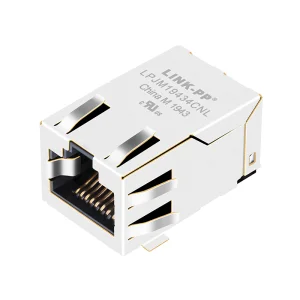
Tab up 1 Port Shielded 2.5G Base-t SMT Female RJ45 Jack Connector Without Led
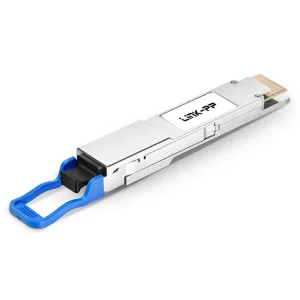
Single Mode 400G CWDM QSFP-DD LR4 10km Duplex LC SMF Optical Transceiver Module
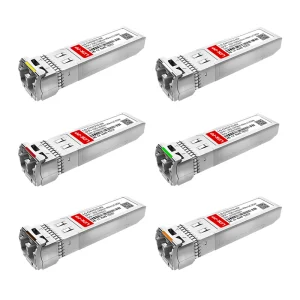
Single Mode SFP+ 10G CWDM 1270nm-1610nm 10km Duplex LC SMF Optical Transceiver Module
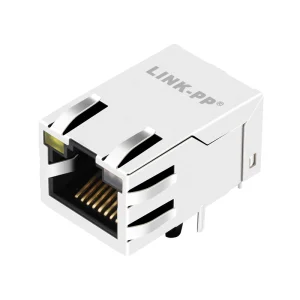
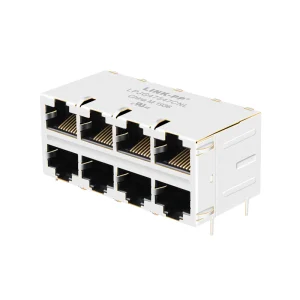
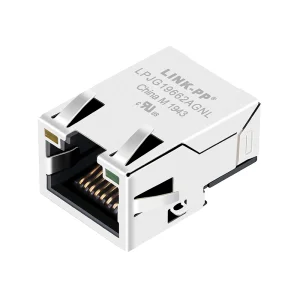
7498111120 Tab up 10/100/1000 Base-t Magnetic Ethernet Female SMT Surface Mount RJ45 Jack With Leds
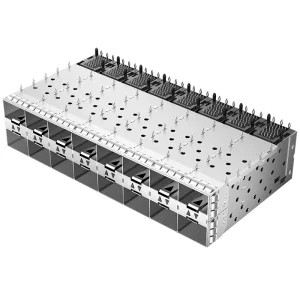
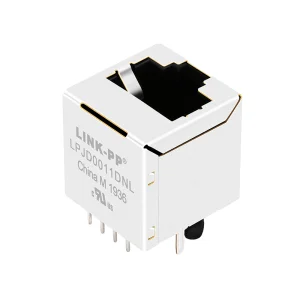
KHU1S041F3 LF 10/100 Base-t Vertical Top Entry Straight RJ45 Jack Connector Without Leds