Zyqora
Zyqora
Zyqora
Explore our CE compliant high-performance components designed for robust enterprise networks, smart factories, and hyperscale environments.
A deep dive into regulatory demands, signal integrity, and the physical requirements for Next-Gen networking hardware.
As the digital transformation transitions from standard cloud systems to hyper-connected industrial edge environments, the demands on physical-layer connectivity have intensified. Ethernet port connectors are no longer treated as passive components; they are core parameters in determining overall system throughput, electromagnetic compatibility (EMC), and network longevity. Globally, the industrial Ethernet market is expanding rapidly, driven by the integration of Industrial Internet of Things (IIoT), automation, smart factories, and 5G backhaul networks.
In highly regulated markets like the European Union, compliance is paramount. The CE Certification is a mandatory conformity marking that indicates a product complies with health, safety, and environmental protection standards. For high-speed ethernet port connectors and transceivers, this compliance relies on three main directives:
Key technical trends shaping the design, manufacturing, and export of network components.
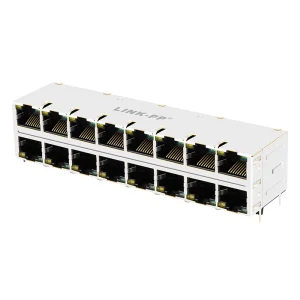
For factory floors and outdoor telecom infrastructure, connectors must withstand moisture, dust, and vibration. There is a surge in demand for IP67/IP68 rated modular jacks that incorporate advanced sealing gaskets, robust locking tabs, and high-temperature plastic housings (such as LCP) for surface-mount reflow processes.
Under the IEEE 802.3bt standard (PoE++ Type 4), up to 90W of power can be delivered over standard Ethernet cables. This requires connectors to feature specialized gold alloy contact interfaces to prevent spark damage (electrical arcing) during mating/unmating under full electrical load conditions.
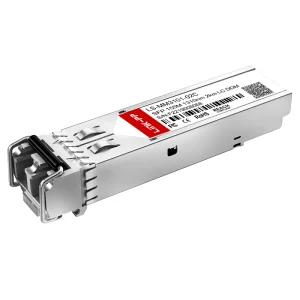
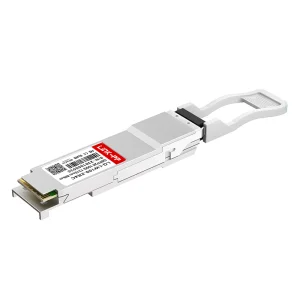
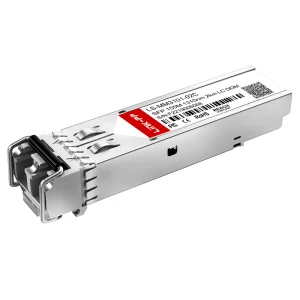
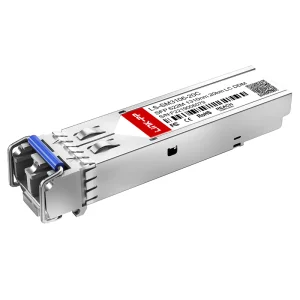
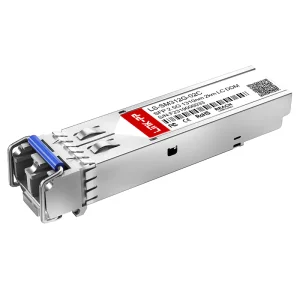
For modern edge computing and hyperscale datacenters, standard copper interconnects encounter bandwidth and distance limitations. Industry leaders are pairing copper Ethernet interfaces with SFP and QSFP optical transceivers to establish unified networks capable of scaling up to 100G and 400G bands seamlessly.
A comparative layout detailing mechanical, electrical, and shielding configurations for enterprise-class network products.
| Connector Type | Data Rate Support | Shielding / EMI Protection | Magnetics Integration | Application Environment |
|---|---|---|---|---|
| Standard RJ45 Unshielded | 10/100/1000 Mbps | None | External or integrated | Office Lan, Consumer Electronics |
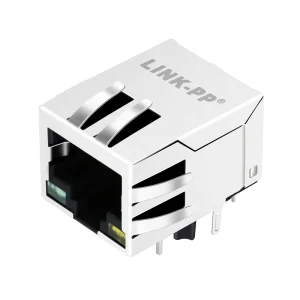
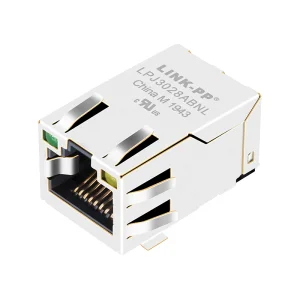
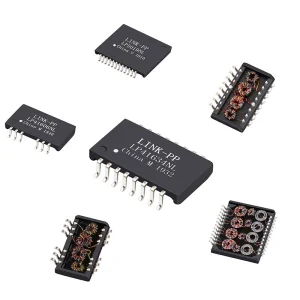
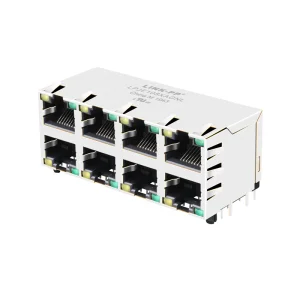
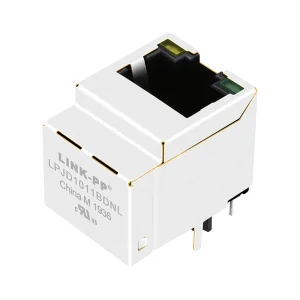
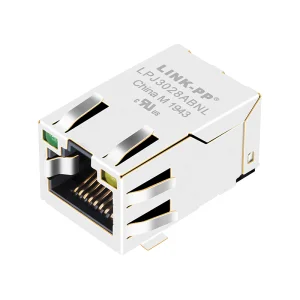
| Shielded RJ45 Jack with LEDs | 1 Gbps - 2.5 Gbps | Full Brass Alloy Shielding | Integrated (100 Base-T / 1000 Base-T) | Industrial PC, Routers, Control Panels |
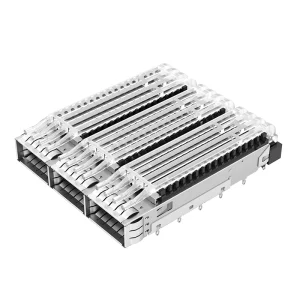
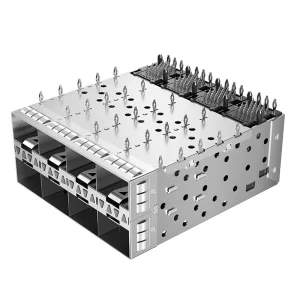
| SFP/SFP+ Cage Systems | 1 Gbps - 10 Gbps | EMI Spring Fingers & Gaskets | N/A (Optical Transceiver Dependent) | Datacenter Switches, Telecom Base Stations |
| QSFP28 Interconnect Series | 100 Gbps | Advanced Heat Sinks & Light Pipes | N/A (High-speed Optical Module) | Hyperscale Cloud Server Nodes, Core Switches |
The networking environment is moving at an exponential pace. SFP architectures are migrating from traditional SFP+ (10G) and SFP28 (25G) configurations to QSFP28 (100G) and the newer QSFP-DD (Double Density) interfaces capable of delivering 400G and 800G throughput. This technological progression requires manufacturers to build highly precise tooling and mold architectures. Tolerances in structural components must be held to sub-micron levels to ensure reliable electrical alignment under high-speed operation.
Thermal management is another core technical challenge in the field. When SFP cages are packed closely together in a 1U or 2U switch layout, the heat generated by the active optical modules can raise internal operating temperatures above 85°C. To mitigate this risk, manufacturers design press-fit cages with dedicated integrated heat sinks and light pipes, which allow heat to dissipate directly through ventilation holes while providing clear LED indicators for port activity status.
In localized smart factory applications throughout regions like Western Europe, automated machinery requires continuous high-frequency operations. Vibrations, extreme temperatures, and chemical exposures are common. Under these conditions, the connector’s mating cycles (typically rated for 750 insertions minimum) and contact resistance stability are heavily tested.
Zyqora Optical Technologies addresses this by utilizing phosphor bronze base metals with 50-microinch gold plating on contact zones, ensuring that corrosion is minimized and signal attenuation is practically eliminated over years of constant industrial operation.
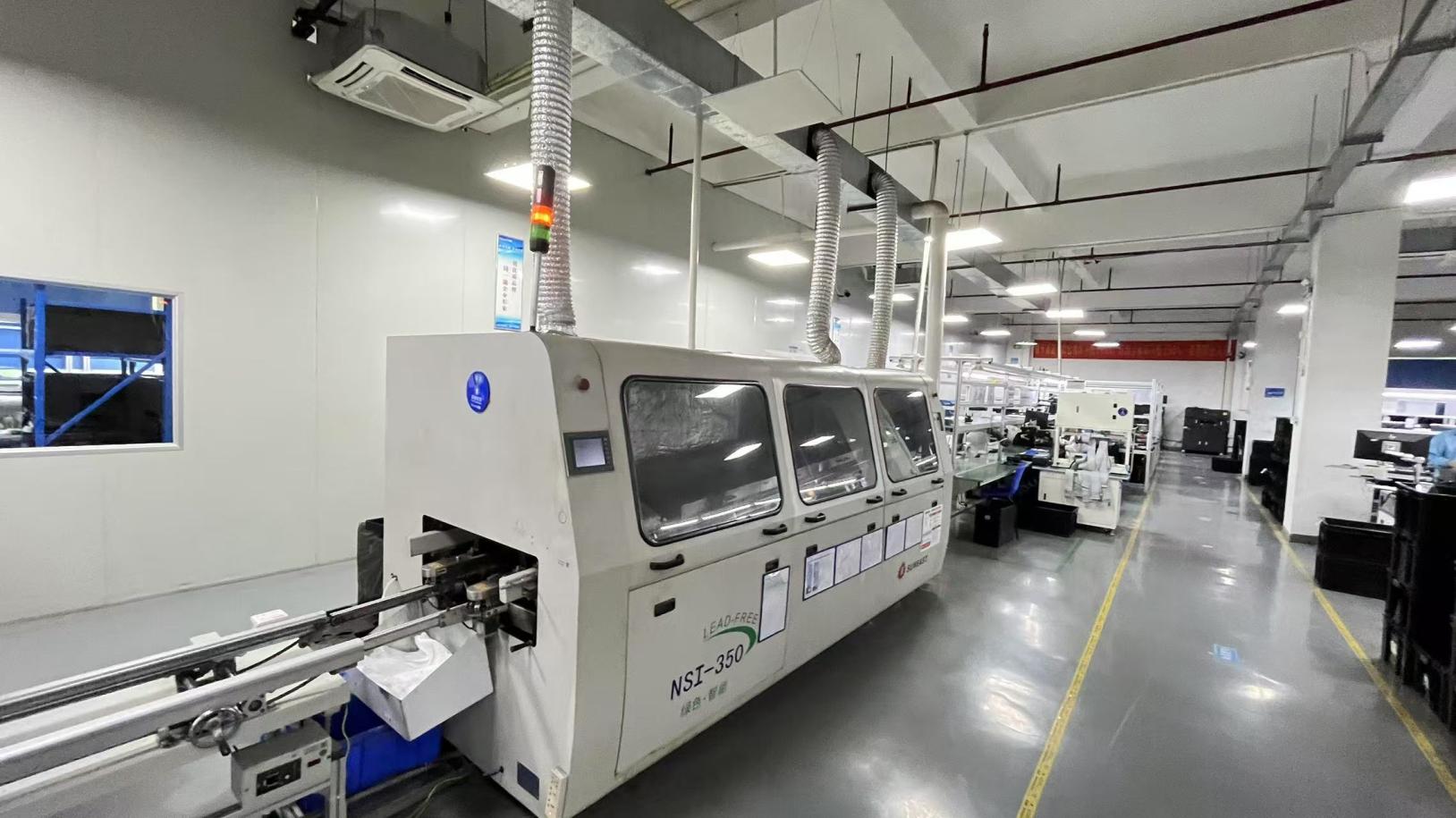
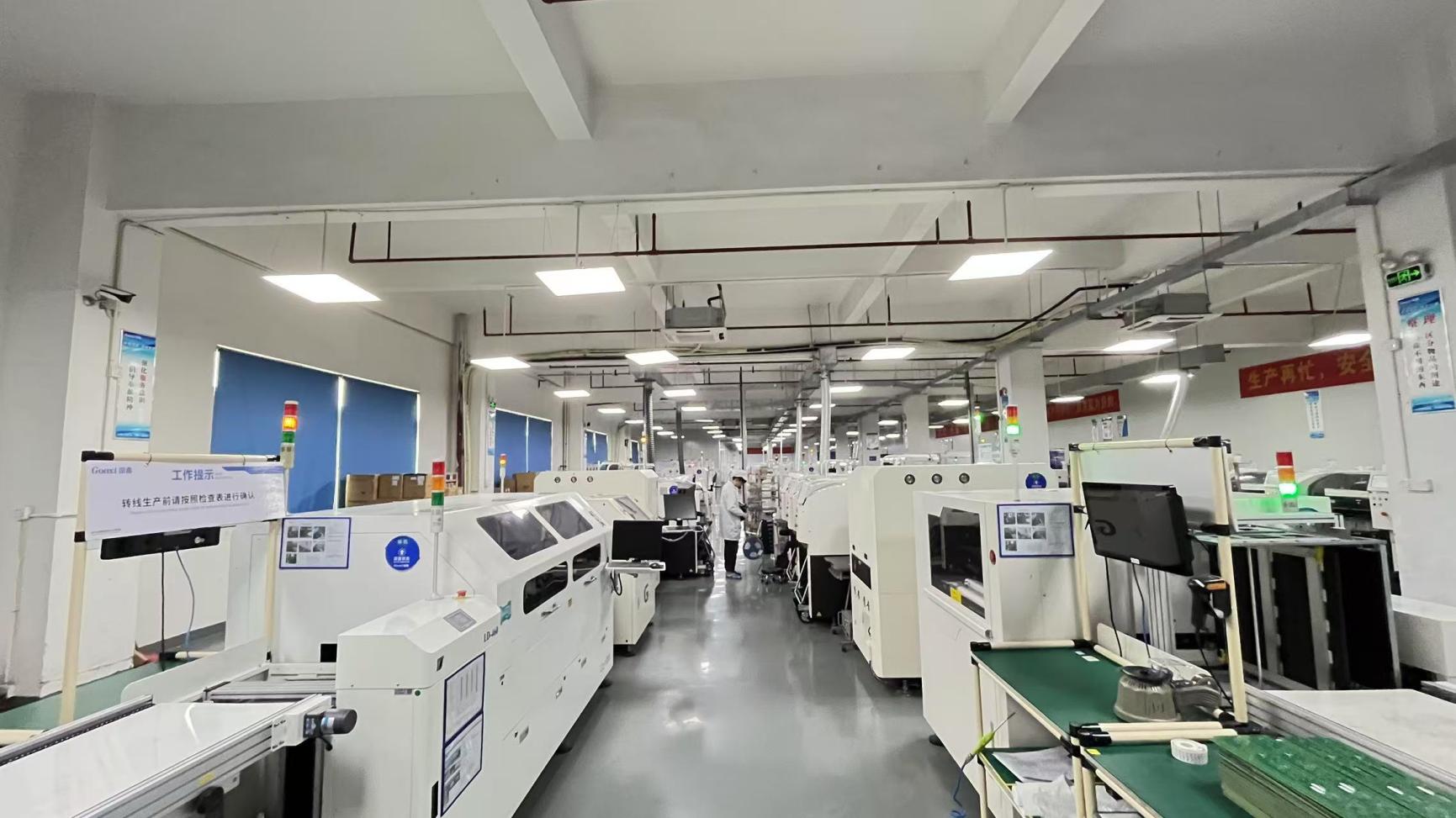

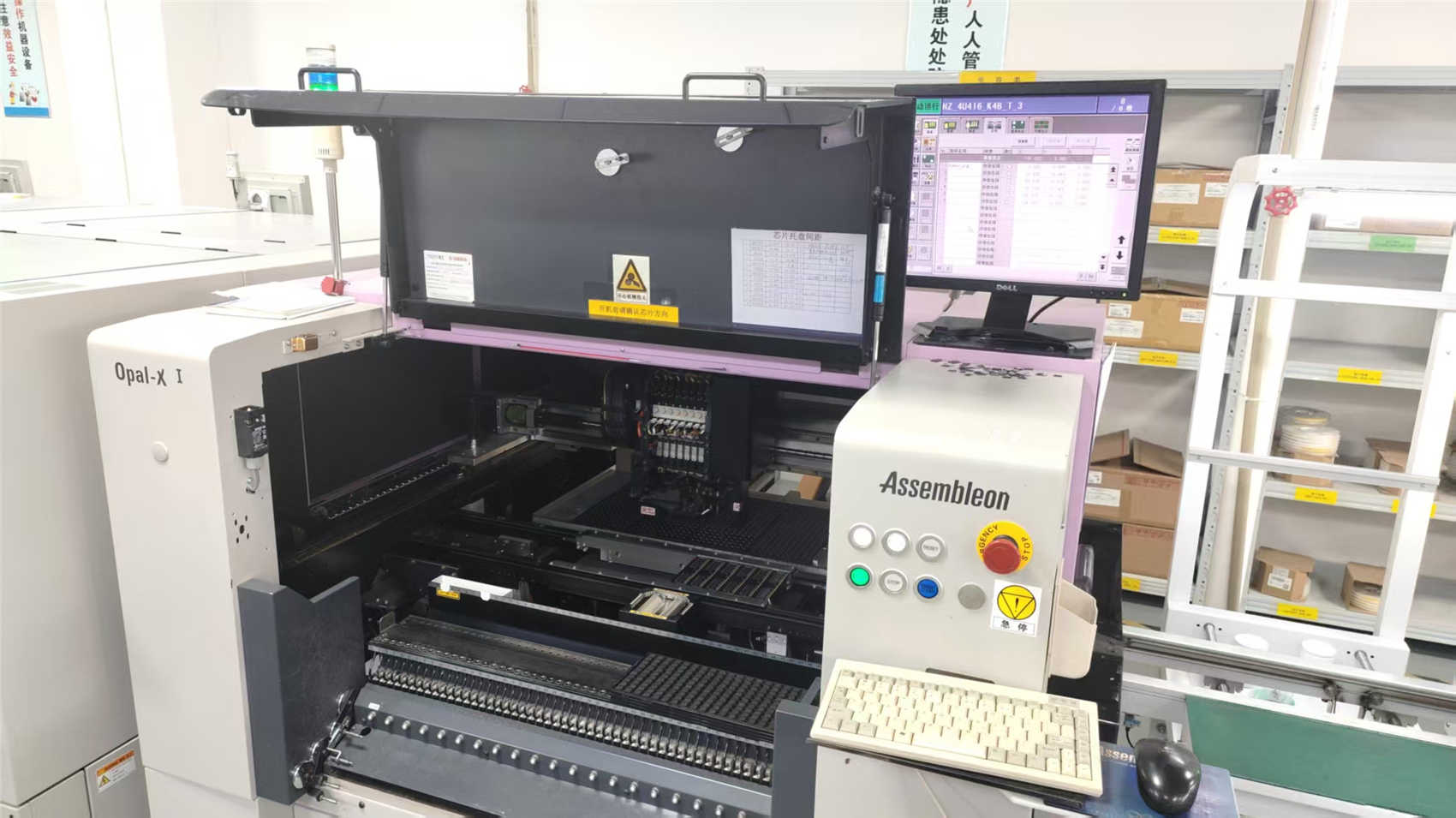
Founded in 2016, Zyqora Optical Technologies Co., Ltd. is a professional manufacturer and supplier of high-performance optical transceivers and fiber connectivity solutions for global data center, telecom, enterprise network, and cloud computing applications.
With a modern production facility covering 386 square meters, Zyqora specializes in the design, development, manufacturing, and testing of optical communication products, including SFP, SFP+, SFP28, QSFP28, QSFP-DD, OSFP, AOC, and DAC solutions. Our products are engineered to deliver reliable performance, scalability, and seamless compatibility with mainstream networking platforms.
Over the years, Zyqora has established a strong international presence, achieving annual export revenue exceeding USD 18 million. Backed by 8 years of export experience and 10 years of industry expertise, we serve customers across North America, Europe, Southeast Asia, the Middle East, and Latin America.
Quality is at the core of everything we do. Our manufacturing process is supported by comprehensive quality assurance procedures, including incoming material inspection, optical performance testing, aging tests, compatibility verification, and final product inspection. A dedicated team of 42 quality control professionals ensures that every product meets international standards and customer expectations.
As a company with both manufacturing and international trading capabilities, Zyqora has built a reliable supply network with more than 860 supply chain partners, enabling efficient sourcing, stable production, and flexible delivery schedules.
Our primary customers include telecom operators, data center providers, system integrators, network equipment distributors, and enterprise IT solution providers worldwide. To support evolving market demands, we maintain a strong research and development team focused on innovation and product optimization.
Zyqora offers comprehensive OEM and ODM services, including customized labeling, firmware coding, packaging design, and product specification development. Last year alone, the company successfully launched 168 new products to meet the growing requirements of next-generation network infrastructures. Our R&D department consists of 65 experienced engineers specializing in optical communication technologies, high-speed transmission systems, and network interoperability solutions. Through continuous innovation and strict quality management, Zyqora remains committed to providing cost-effective, reliable, and future-ready optical networking products for customers around the world.
How Zyqora addresses macro-scale transmission challenges across varying deployment networks.
Telecom backhaul installations demand highly durable, temperature-hardened optical transceivers. By deploying Single Mode 1.25G transceivers rated for 20km transmission and 100G QSFP28 modules for core transport lines, telecom providers can maintain consistent uptime, lower optical link loss, and satisfy the requirements of high-bandwidth municipal networks.
Inside modern data centers, cabling space is at a premium. Zyqora provides high-density multi-port SFP cages (such as 2x4 and 1x3 configurations) with integrated light pipes and modular SMT layouts. This helps data center architects achieve maximum port density per rack unit, reducing system assembly costs and accelerating troubleshooting.
Furthermore, for cloud computing operations, integrating SMT RJ45 jacks with integrated magnetics directly onto the carrier board reduces PCB real estate requirements, allowing engineers to add other essential system elements while maintaining high signal integrity and low insertion loss.
Frequently asked questions concerning standards, certifications, and product configurations.
High-quality components for board-level design, telecom routing, and media conversion systems.