Zyqora
The demand for high-quality QSFP transceivers in China is on the rise. With advancements in technology, these devices are crucial for data centers and high-speed networking. Industry expert Dr. Emily Zhang notes, “Quality in QSFP transceivers impacts overall network performance significantly.” Her insight highlights the importance of selecting the right components.
Many options flood the market, making it challenging for buyers. Some brands promise reliability, but not all deliver. Several users report issues with counterfeit products, leading to downtime. Without proper research, businesses risk making poor decisions.
It is essential to evaluate vendors based on their reputation and product standards. Companies should not solely focus on price. Instead, they should consider performance and warranties. QSFP transceivers are a critical investment, and quality must be prioritized.
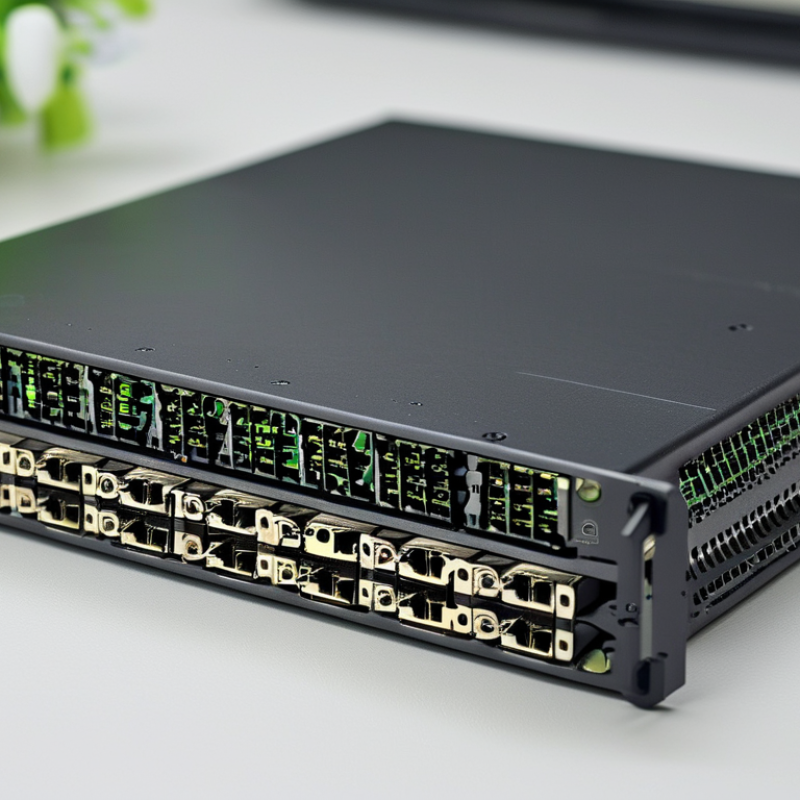
When evaluating QSFP transceivers, it's vital to consider key features that enhance performance and reliability. Most notably, bandwidth capacity plays a critical role. The QSFP interface supports different protocols, offering data rates from 40 Gbps to 400 Gbps. Reports by leading market analysis firms suggest that the demand for high-speed connectivity is continually increasing, particularly in data centers. A transceiver with higher bandwidth ensures efficient data transmission.
Another significant aspect is the range over which these transceivers operate. Various models can support distances from a few meters to over 100 kilometers. For example, using single-mode fiber allows for long-distance data center interconnections. Industry experts emphasize the importance of selecting transceivers with robust optical performance, particularly in environments with high data traffic.
Compatibility is also a crucial consideration. QSFP transceivers need to work seamlessly with network equipment. Data from IT infrastructure studies indicate that compatibility issues can lead to significant downtime. This emphasizes the necessity for thorough testing and validation before deployment. Each feature contributes to a transceiver's overall effectiveness, impacting operational efficiency and cost management in the long run.
| Transceiver Model | Data Rate | Distance | Connector Type | Wavelength |
|---|---|---|---|---|
| 40G QSFP+ | 40 Gbps | 150 m (OM3) | MPO | 850 nm |
| 100G QSFP28 | 100 Gbps | 400 m (OM4) | MPO | 850 nm |
| 200G QSFP56 | 200 Gbps | 150 m (OM4) | MPO | 850 nm |
| 400G QSFP-DD | 400 Gbps | 500 m (OM4) | MPO | 850 nm |
When considering QSFP transceivers, bandwidth and speed are crucial factors. Many users overlook how these specifications can significantly impact network performance. Most high-quality QSFP options currently support 40G and 100G speeds, which are essential for data-intensive applications. According to a report from the International Data Corporation, speeds exceeding 100G are becoming more common due to rising data center demands.
Understanding bandwidth is equally vital. It determines the amount of data transmitted over a network in a given time. A transceiver with a high bandwidth can handle multiple signals simultaneously, reducing latency. For example, QSFP transceivers with a bandwidth of 400G are now available in the market. This advancement is noteworthy, considering that older models typically provided less than half that.
Tip: Always evaluate the environmental conditions of your installation site. Transceivers have temperature and operational limits that affect performance.
Another important aspect is compatibility with existing infrastructure. Some transceivers may provide high speeds but might not integrate well into certain network setups. Ensuring that your transceiver aligns with your current hardware can prevent potential bottlenecks. This is a common oversight many make when upgrading systems.
Tip: Consult documentation from reliable sources regarding transceiver specifications to ensure a match with your networking needs.
As the demand for high-speed data transmission grows in China, the market for QSFP transceivers is evolving rapidly. Businesses are seeking solutions that offer reliability and speed. A notable trend is the increasing preference for high-quality, robust designs. Companies are investing heavily in research to enhance performance. However, not all products meet these rising expectations.
Quality control remains a challenge. Many manufacturers struggle to deliver consistent products. This inconsistency can lead to potential failures in critical applications. Customers often face difficulties in choosing reliable vendors. Lack of standardized testing protocols adds to the problem, creating uncertainty about performance capabilities.
Additionally, the competitive landscape complicates matters. New entrants are emerging frequently, making it hard for buyers to evaluate options. Buyers need to prioritize companies with proven track records. Yet, price sensitivity remains a significant factor. Companies may choose lower-cost options, risking quality for savings. It’s a delicate balance, and parties must weigh short-term savings against long-term performance and reliability.
When assessing QSFP transceivers from leading manufacturers, reliability and performance become paramount. These components play a crucial role in network performance, especially in high-demand environments. Quality varies significantly across the market, and it’s essential to select transceivers that consistently meet standards. Key factors to consider include transmission distance, data rates, and environmental compatibility.
Tips: Always check for compliance with industry standards. This will ensure your choice isn’t just about price but also performance. Investing in robust, well-reviewed options can save time and resources in the long run.
Choosing the right manufacturer requires careful evaluation. Focus on those with a strong track record of reliability. User reviews and performance tests provide insights into how these devices operate in real-world scenarios. Some products seem appealing but may not deliver under heavy load.
Tips: Compare specifications carefully, and don't hesitate to reach out to user communities for feedback. Sometimes, unexpected insights lead to better choices. Seek out vendors who emphasize quality control in their production processes.
When investing in QSFP transceivers, quality matters. High-quality transceivers provide greater durability, efficiency, and better overall performance. These factors translate into reduced network outages and enhanced data transmission, which can save significant costs in the long run. A transceiver's lifespan often correlates with its quality, leading to fewer replacements and repairs.
However, the initial investment can be daunting. Many businesses struggle with the balance between cost and quality. It’s tempting to opt for cheaper alternatives. Yet, those savings may lead to long-term expenses related to maintenance and replacements. Choosing low-quality products often results in decreased reliability. Imagine a network failure during peak hours. The financial loss could outweigh any savings made during purchase.
A thoughtful analysis can reveal the true cost of ownership. Professional evaluations often show that high-quality QSFP options lead to fewer disruptions and overall satisfaction. This is not just about purchasing; it’s about making a strategic decision that affects the entire organization. Assessing your specific needs and potential growth can guide this decision. Investing in trustworthy products can foster a more dependable infrastructure, ultimately benefiting the company.
: Bandwidth capacity is vital for efficient data transmission. It ranges from 40 Gbps to 400 Gbps.
Some models support distances from a few meters to over 100 kilometers, especially with single-mode fiber.
Compatibility ensures seamless operation with network equipment. Issues can lead to significant downtime and operational disruptions.
High-quality transceivers offer better durability and performance, reducing network outages and overall costs long-term.
Choosing low-quality options can lead to decreased reliability and potential network failures, especially during peak usage.
A thoughtful cost-benefit analysis on quality versus price is crucial. Savings may not justify long-term expenses.
While high-quality transceivers may have a higher upfront cost, they often lead to fewer replacements and repairs.
Cheaper alternatives may seem appealing but can result in higher long-term expenses due to decreased reliability.
Assess specific needs and growth potential. A strategic decision affects the organization's entire network.
Increasing demand for high-speed connectivity pushes for more robust and reliable transceiver options in data centers.
The article "Top QSFP Transceiver Options for China Best Quality?" provides a comprehensive overview of the critical features of QSFP transceivers, highlighting their significance in today's high-speed networking environment. It delves into a comparative analysis of bandwidth and speed, demonstrating how these factors play a crucial role in the performance of QSFP transceivers.
Additionally, the article discusses the growing market trends in China, emphasizing the increased demand for high-quality QSFP transceivers as businesses seek reliable connectivity solutions. The assessment of leading manufacturers focuses on their reliability and performance, ensuring that consumers can make informed choices. Lastly, a cost-benefit analysis underscores the importance of investing in quality QSFP transceivers, illustrating how the long-term advantages can outweigh initial costs, ultimately leading to superior network performance and efficiency.
