The QSFP28 transceiver plays a crucial role in modern network architectures. It supports high-speed data transmission, facilitating efficient communication between devices. With its ability to transmit 100Gbps over multimode or single-mode fibers, the QSFP28 transceiver meets the demands of data centers and large enterprises.
Understanding the significance of the QSFP28 transceiver is essential for network engineers and IT professionals. This device not only enhances bandwidth but also provides flexibility in network setup. It is a reliable choice for both short and long-distance connections, making it versatile in diverse applications. Many organizations have adopted it to future-proof their networks.
However, the rapid evolution of technology means that staying updated is necessary. Some may overlook how critical the QSFP28 transceiver can be for scalability. Regular assessment of current infrastructure helps identify opportunities for improvement. Users must consider the total cost of ownership, including compatibility and maintenance. Embracing such technology can lead to significant performance upgrades in networking environments.
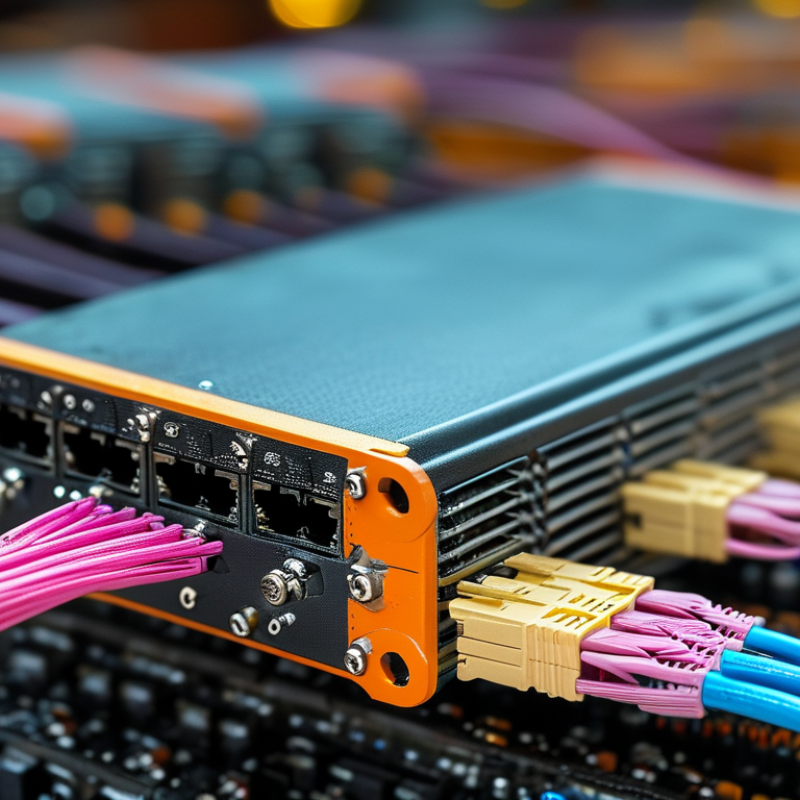
What is a QSFP28 Transceiver?
A QSFP28 transceiver is a compact, multi-channel device used for high-speed data transmission. It supports data rates up to 100 Gbps, making it crucial for modern data centers and networking environments. This transceiver utilizes four lanes, each capable of 25 Gbps, facilitating efficient data communication. As networks evolve, the demand for higher bandwidth and lower latency continues to grow. According to industry reports, the global market for high-speed optical transceivers is expected to reach $10 billion by 2025.
These devices are essential in multi-mode and single-mode fiber applications. They help connect switches, routers, and servers with reliability. A QSFP28 transceiver offers interoperability with existing systems, which is vital for phased upgrades in large-scale networks. Notably, there are growing concerns regarding power consumption and heat generation. While QSFP28 is designed to be energy-efficient, the rise in data transmission speeds brings additional challenges for thermal management.
The implementation of QSFP28 transceivers requires careful consideration of various factors. Issues such as compatibility with existing infrastructure should not be overlooked. Additionally, as technological advancements increase, it is crucial to evaluate the long-term sustainability of these solutions. Adopting a QSFP28 can yield impressive results but requires strategic planning to mitigate potential pitfalls.
Key Features of QSFP28 Transceivers
QSFP28 transceivers are a pivotal component in modern data centers. These devices support high-speed data transmission, crucial for today’s demanding applications. A QSFP28 module can achieve up to 100 Gbps over short distances, making it ideal for high-density environments. This capability ensures efficient data flow and reduces latency.
Key features of QSFP28 transceivers include their compact design and versatility. They utilize four lanes, each capable of transmitting 25 Gbps, allowing for efficient bandwidth utilization. Furthermore, they are hot-swappable, simplifying maintenance and upgrades. While this technology represents significant advancements, it comes with challenges. For instance, deploying these transceivers requires ensuring compatible network infrastructure.
A significant aspect of QSFP28 modules is their ability to support multiple protocols, such as Ethernet and InfiniBand. This flexibility benefits various networking scenarios. However, users must be aware of thermal management. Overheating can cause performance issues. The design prioritizes airflow but requires monitoring. Adequate planning and understanding of these components are essential for optimal deployment and performance.
QSFP28 Transceiver Performance Comparison
How QSFP28 Transceivers Function in Networking
QSFP28 transceivers are pivotal in modern networking. They support high-speed data transmission of up to 100 Gbps. These modules utilize four independent channels, each capable of 25 Gbps. This design enhances bandwidth and efficiency in data centers and telecom networks.
In practical use, QSFP28 transceivers are often employed in switches and routers. They are instrumental in aggregating connections between servers and network devices. Their small form factor allows for dense deployment. This means more connections in a limited space, which is critical for optimizing network performance.
Tips: When selecting QSFP28 transceivers, check compatibility with existing hardware. Ensure the optical range meets your requirements. Be mindful of the quality of the cables used, as they can impact performance. Even small differences can lead to significant issues later.
Understanding how QSFP28 transceivers work can help in network design. They use both direct attach copper cables and optical cables for flexibility. This versatility allows networks to adapt as they grow. However, monitoring and managing these connections is essential. Regular checks can prevent unexpected downtimes.
The Importance of QSFP28 in Modern Data Centers
In modern data centers, high-speed connectivity is crucial.
The QSFP28 transceiver plays a vital role in providing that connectivity. It supports 100 Gigabit Ethernet, allowing efficient data transmission. According to a report by the Broadband Forum, the global data center market is expected to grow by over 23% annually through 2025. This growth necessitates robust and efficient solutions like the QSFP28.
The QSFP28's importance goes beyond just speed. Its high-density design enables more connections in a smaller space, reducing energy consumption. A study by the International Data Corporation (IDC) highlights that energy costs in data centers can account for nearly 30% of total operational expenses. Using QSFP28 can significantly mitigate these costs. As data centers evolve, they require technology that adapts to increasing demands.
However, the integration of QSFP28 is not without challenges. Transitioning from older technologies may involve initial costs and training for staff. Some operators struggle to estimate the return on investment accurately. Nevertheless, as more organizations recognize these challenges, they begin to appreciate the long-term benefits of adopting QSFP28 in their infrastructure. This shift is essential for staying competitive and efficient in a rapidly changing digital landscape.
Comparative Overview: QSFP28 vs. Other Transceiver Types
QSFP28 transceivers are becoming a popular choice in data center solutions. They support a bandwidth of up to 100 Gbps, making them superior to older models like SFP and QSFP+ transceivers. According to a report from market research firm MarketsandMarkets, the global demand for high-speed optical transceivers is projected to grow significantly, driven by increasing data traffic.
When comparing QSFP28 with other transceiver types, several differences arise. For instance, while SFP+ supports only 10 Gbps, QSFP28 can handle four lanes of 25 Gbps each, offering improved efficiency. Furthermore, QSFP28’s compact design allows for higher port density. Data from Photonics Research indicates that data centers can expand to accommodate more connections without increasing physical space, leading to better resource management.
Despite these advantages, QSFP28 transceivers aren't without issues. Compatibility with existing equipment may pose challenges. Network administrators must ensure that their infrastructure supports this newer technology. Additionally, heat management becomes critical as high-speed connections can lead to increased power consumption. A study by the Optical Internetworking Forum suggests that efficient cooling solutions are vital for maximizing QSFP28 performance. Thus, while this technology offers significant benefits, careful implementation is necessary.
What is a QSFP28 Transceiver and Why is it Essential?
| Transceiver Type |
Data Rate (Gbps) |
Max Distance (m) |
Application |
Common Use Case |
| QSFP28 |
100 |
70 |
Data Centers |
High-speed Networking |
| QSFP+ |
40 |
150 |
Enterprise Networks |
Server Connectivity |
| SFP28 |
25 |
40 |
Telecom |
Access Networks |
| SFP+ |
10 |
300 |
Legacy Networks |
Data Transmission |
| GBIC |
1 |
100 |
Older Networks |
Switching |
Conclusion
The QSFP28 transceiver is a high-speed optical device designed to meet the demanding requirements of modern data centers and networking environments. It is capable of supporting 100 Gbps data rates, utilizing a compact form factor that allows for efficient space usage and energy savings. Key features of QSFP28 transceivers include enhanced bandwidth, low latency, and compatibility with multiple networking standards, making them pivotal for high-performance applications.
In networking, QSFP28 transceivers facilitate seamless data transmission across various types of networks by using advanced technology to ensure reliability and efficiency. Their significance has grown in parallel with the increasing data traffic and computational needs in contemporary data centers, positioning them as an essential component for infrastructure upgrades. When compared to other transceiver types, QSFP28 solutions provide superior performance, further solidifying their role in the evolution of data communication technologies.
 Zyqora
