Zyqora Zyqora

How to Choose the Right SFP+ Transceiver for Your Network?

Time:2026-07-01 Author:Madeline
0%

Choosing the right SFP+ transceiver for your network can be challenging. The market offers various options, making decisions complex. Understanding key factors is crucial to ensure compatibility and performance.

An SFP+ transceiver connects your network devices, facilitating high-speed data transfer. It plays a vital role in the overall network efficacy. Selecting the wrong one can lead to issues like slower speeds or connectivity problems.

Consider aspects such as the type of cable, distance requirements, and network speed. Each component directly affects your network's efficiency. Uncertainty in selecting the right SFP+ transceiver can hinder your network's growth. Taking time to analyze your needs is essential for optimal results.
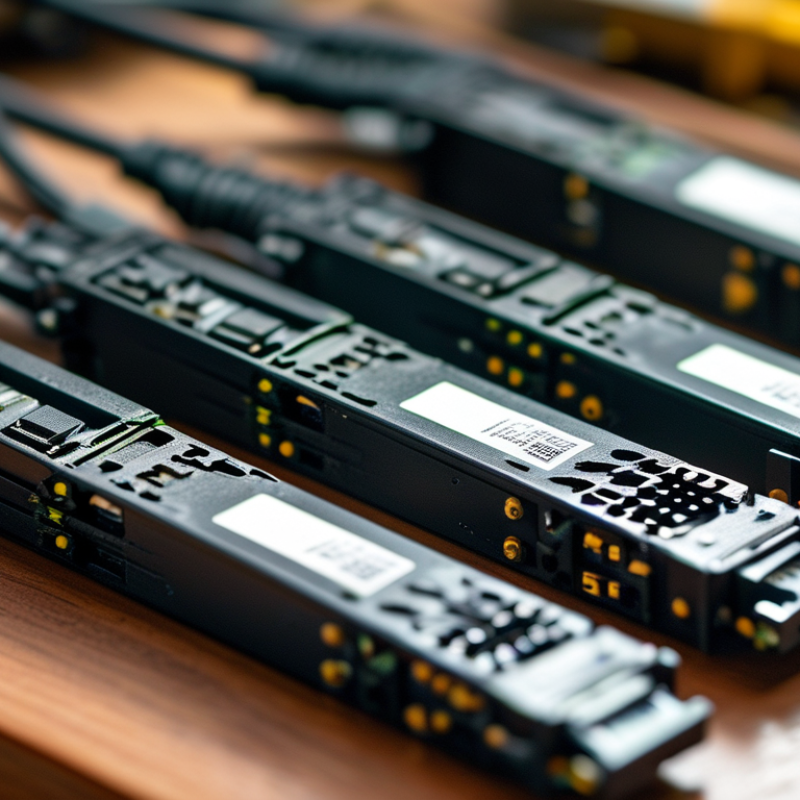
How to Choose the Right SFP+ Transceiver for Your Network?

Understanding SFP+ Transceivers: Key Features and Specifications

Understanding SFP+ transceivers is crucial for optimizing your network's performance. These small form-factor pluggable devices help in data transmission over various distances. Their primary features include data rate, distance range, and wavelength. The standard data rate of SFP+ is 10 Gbps, suitable for most modern applications. However, performance can vary based on the specific module chosen.

When selecting a transceiver, consider the distance it will cover. For short-range applications, multimode fibers may suffice. Long-range connections typically require single-mode fibers. This choice directly impacts latency and signal integrity. Pay attention to the specifications, such as maximum reach and compatible connector types. It's important to think about whether the transceiver will match existing infrastructure.

Compatibility is another important aspect. Not all transceivers work with every switch or router. Researching these details is essential to avoid costly mistakes. In some cases, the best solution may not be the highest-rated one. Finding a balance between performance and cost can be challenging. Reflecting on past selections can also provide insights for future purchases. Each choice should align with current and future network needs.

Identifying Your Network Requirements for SFP+ Transceivers

Choosing the right SFP+ transceiver starts with understanding your network's specific needs. Determine the required data transfer rates. Different applications demand different speeds. For instance, high-frequency trading systems require much quicker speeds than standard file sharing. Knowing your current and future bandwidth needs is essential.

Another critical factor is the type of connections in your network. Is your setup primarily designed for long-range or short-range communication? Choose accordingly. Additionally, consider the medium—fiber or copper? Opting for the wrong type can lead to connectivity issues. Also, be mindful of distances; a transceiver may work well at short ranges but fail at longer ones.

You should also look at your budget. High-performance transceivers can be costly. If you have limited resources, striking a balance between performance and cost is vital. Ensure to research compatibility with your existing hardware. Failure to do so may lead to unexpected challenges, creating frustration in your network environment. Reflect on your choices to make informed decisions.

Evaluating Compatibility with Existing Network Equipment

When selecting an SFP+ transceiver, compatibility is key. Each network relies on specific standards and protocols. Ensure the transceiver matches your existing switches and routers. This can prevent connectivity issues and performance lapses. Check the specifications of your current hardware. Look for supported transmission formats, such as 10GBASE-SR or 10GBASE-LR. Mismatched components can lead to frustrating downtime.

While compatibility often seems straightforward, real-world scenarios can vary. Consider factors like firmware versions and optical fiber types. You may find that even minor discrepancies can cause problems. Collect information on your network setup before making decisions. Sometimes, you might need to consult technical documentation or support teams. They can provide insights that are not readily apparent.

Another aspect to consider is future-proofing your choice. Technologies evolve rapidly. If you invest in a transceiver that is not versatile, you could face limitations down the line. Evaluate the potential for network expansion. Anticipating changes will save you from repeated purchases. Balancing present needs with future goals can be tricky but important for a robust network.

Evaluation of SFP+ Transceiver Compatibility with Network Equipment

Comparing Performance Metrics of Different SFP+ Models

When selecting an SFP+ transceiver, performance metrics play a crucial role. These metrics include data rate, distance, and compatibility. A transceiver's data rate indicates how much information it can transmit. Common rates are 10 Gbps. The right choice depends on your network's requirements.


Distance is another vital measure. Each SFP+ model offers specific range limits, such as 300 meters for optical fiber. Factors like cable type and installation quality can affect these ranges. It's crucial to consider the environment in which you operate.


Media type also plays a role. Copper cables work for short distances but can struggle with interference. Compatibility with existing hardware must not be overlooked. Not every transceiver works well with every switch. Check technical documentation to avoid issues. Testing in a controlled setting can reveal performance inconsistencies.


These considerations can refine your transceiver selection process. They will improve overall network reliability. Each measure serves as a step towards better network performance. Understanding these metrics can lead to more informed choices.

Making Cost-Effective Decisions for SFP+ Transceiver Purchases

When selecting SFP+ transceivers, cost-effectiveness is crucial. According to a recent industry report, over 40% of businesses view transceiver cost as a major factor in their purchasing decisions. Understanding specifications can help avoid unnecessary expenses, making investments in the right technology more rewarding.

Tips: Focus on compatibility with existing hardware. Check vendor guidelines carefully. This reduces the chance of returns and additional costs. Opting for multi-rate SFP+ transceivers can enhance flexibility and scalability. They provide multiple data rates in one device, saving further costs.

Market studies indicate that organizations can potentially save up to 30% by choosing appropriate transceiver types and vendors. However, many still fall victim to lower-quality alternatives that compromise network reliability. Choosing certified, high-quality transceivers ensures longevity and performance. Prioritize suppliers with proven track records for sustained savings and reliability.

How to Choose the Right SFP+ Transceiver for Your Network?

Parameter Description Cost-Effectiveness Score
Data Rate The speed of data transmission, commonly 10 Gbps for SFP+. High
Wavelength The optical signal’s wavelength that determines the distance over which it can transmit. Medium
Distance Range Supported distance varies based on fiber type; can be short-range (<300m) or long-range (up to 10km). High
Compatibility Ensure the transceiver is compatible with your switch or router. High
Form Factor Physical configuration; SFP+ is the standard form factor. High
Cost The overall price of the transceiver; look for value rather than just lowest price. Variable
Temperature Range Operating temperature can affect the performance; choose according to environment. Medium

FAQS

: What is an SFP+ transceiver?

: An SFP+ transceiver is a small device for data transmission over distances. It optimizes network performance.

What is the standard data rate for SFP+ transceivers?

The standard data rate is 10 Gbps. It's suitable for most modern applications.

How does distance impact SFP+ transceivers?

Distance affects performance. Short-range uses multimode fibers, while long-range typically requires single-mode fibers.

Why is compatibility crucial when selecting a transceiver?

Compatibility ensures connectivity with existing switches and routers. Mismatches can cause downtime and performance issues.

What factors influence the performance of SFP+ models?

Factors include data rate, distance, and compatibility with existing hardware. Each impacts overall network reliability.

How can future-proofing affect my transceiver choice?

Future-proofing prevents limitations as technology evolves. It helps anticipate network expansion needs and avoids repeated purchases.

What should I consider before selecting a transceiver?

Evaluate specifications, maximum reach, and compatible connectors. Information on your setup is essential for informed decisions.

Can cable type affect SFP+ performance?

Yes, cable type matters. Copper cables work for short distances but may suffer from interference.

What role does environmental condition play in transceiver selection?

The environment can affect range and performance. Consider your setting before making a choice.

How can reflecting on past purchases improve future selections?

Past reflections can offer insights. They help align choices with current and future network needs.

Conclusion

Choosing the right SFP+ transceiver for your network involves understanding its key features and specifications, including data rates and distances. It's essential to identify your network requirements to ensure the transceiver meets your speed and connectivity needs. Evaluating compatibility with existing network equipment is crucial to avoid operational issues, while comparing performance metrics among different SFP+ models helps in selecting the most efficient option for your specific environment.

Additionally, making cost-effective decisions when purchasing SFP+ transceivers can greatly impact your budget. By carefully balancing performance with cost, you can optimize your network's efficiency without overspending. Overall, a strategic approach encompassing these considerations will lead to a successful integration of SFP+ transceivers in your network infrastructure.

Madeline

Madeline

Madeline is a dedicated marketing professional with a wealth of expertise in our company's core offerings. With a keen understanding of the industry, she brings a unique perspective to her role, consistently delivering high-quality content that highlights the superior aspects of our products. As......